

Introduction
Staying competitive in the food delivery industry requires more than intuition, it demands consistent, real-time visibility into how menus are structured, priced, and updated across platforms. Our 2026 Guide to Scraping Food Delivery Apps addresses this growing need by outlining how businesses can build intelligent data pipelines that track menu changes at scale without manual effort or operational delays.
Restaurant chains and food aggregators are now competing on speed and precision. When pricing shifts or item availability fluctuates, brands that lack structured tracking mechanisms lose ground quickly. Food Delivery App Scraping Services enable businesses to close this gap by automating the collection of platform-level menu data, transforming raw listings into decision-ready intelligence across every channel they operate on.
Today's digital food ecosystem demands tools that can adapt to constant platform updates and regional variations. By deploying Food Catalog Data Extraction frameworks alongside dynamic monitoring systems, businesses can finally eliminate the guesswork that has long plagued menu management. This case study showcases exactly how that transformation happens for a large-scale restaurant chain navigating real-time tracking challenges.
The Client
A growing multi-regional restaurant chain with operations spanning over forty urban centers approached Mobile App Scraping with a persistent challenge, their internal teams were unable to keep up with the pace at which third-party food delivery platforms updated pricing and menu information. They needed a structured, automated approach built on the principles outlined in our 2026 Guide to Scraping Food Delivery Apps to regain control over their data environment.
The brand had a diverse menu portfolio that varied across city zones based on ingredient availability, regional preferences, and promotional cycles. Without a centralized tracking mechanism, their category managers were making decisions based on outdated snapshots. Deploying Food Scraping API infrastructure became the foundation of their new data strategy, allowing them to pull structured, platform-specific menu data in near real-time.
Their leadership team was particularly focused on how competitor pricing and item positioning were shifting across delivery apps like DoorDash, Uber Eats, and Swiggy. With a need for consistent cross-platform monitoring, they turned to Scrape Food Delivery Data solutions to build a unified view of the market, one that could support both tactical pricing decisions and longer-term menu development initiatives.
The Challenge
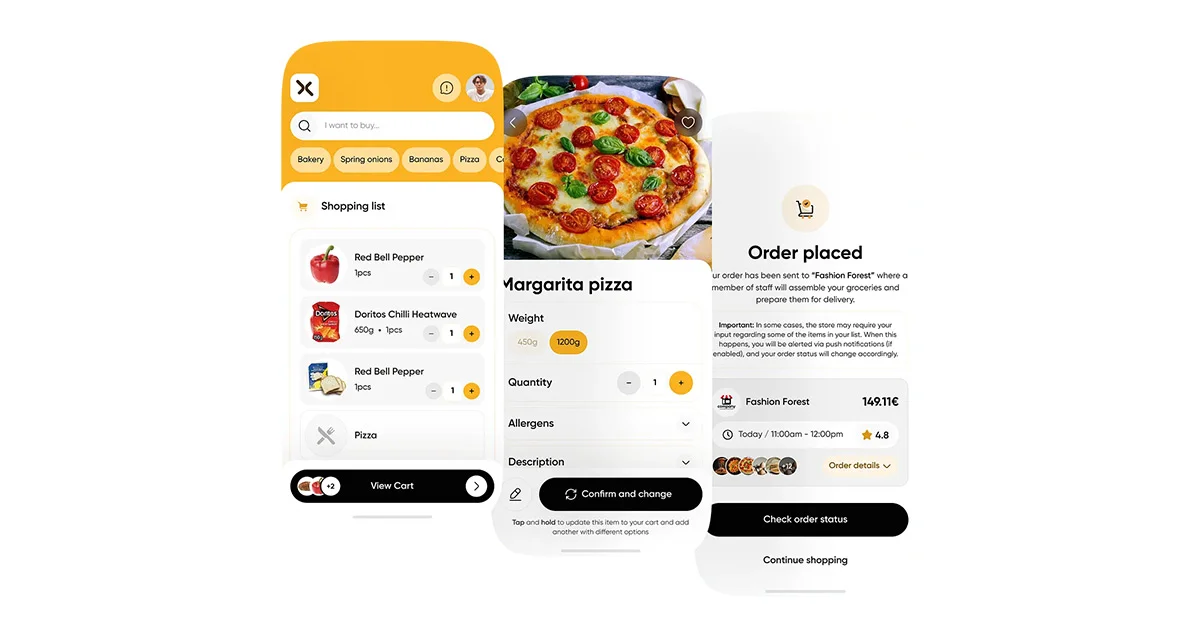
The client encountered several systemic obstacles that prevented them from maintaining accurate, real-time menu data across platforms and regions.
- Fragmented Menu Visibility
Menu data existed in silos across different delivery platforms, making it nearly impossible for teams to compare item performance or pricing consistency. Without a unified extraction layer, regional managers operated on incomplete information that distorted their decision-making process significantly. - Delayed Competitor Intelligence
By the time pricing changes from competitor restaurants were manually captured and analyzed, the market window for a timely response had already passed. Teams needed automated systems capable of identifying shifts in competitor positioning as they happened, not hours or days later. - Inconsistent Availability Tracking
Seasonal items and limited-time offerings fluctuated without reliable tracking across platforms. This inconsistency made it difficult to plan promotional campaigns or evaluate which items were gaining traction in specific geographic zones or delivery corridors. - Scalability Limitations of Manual Processes
As the brand expanded into new cities, manual data collection became untenable. Their existing research workflows could not scale alongside their growth, creating bottlenecks that ultimately slowed every downstream function tied to menu strategy and competitive response.
The Solution
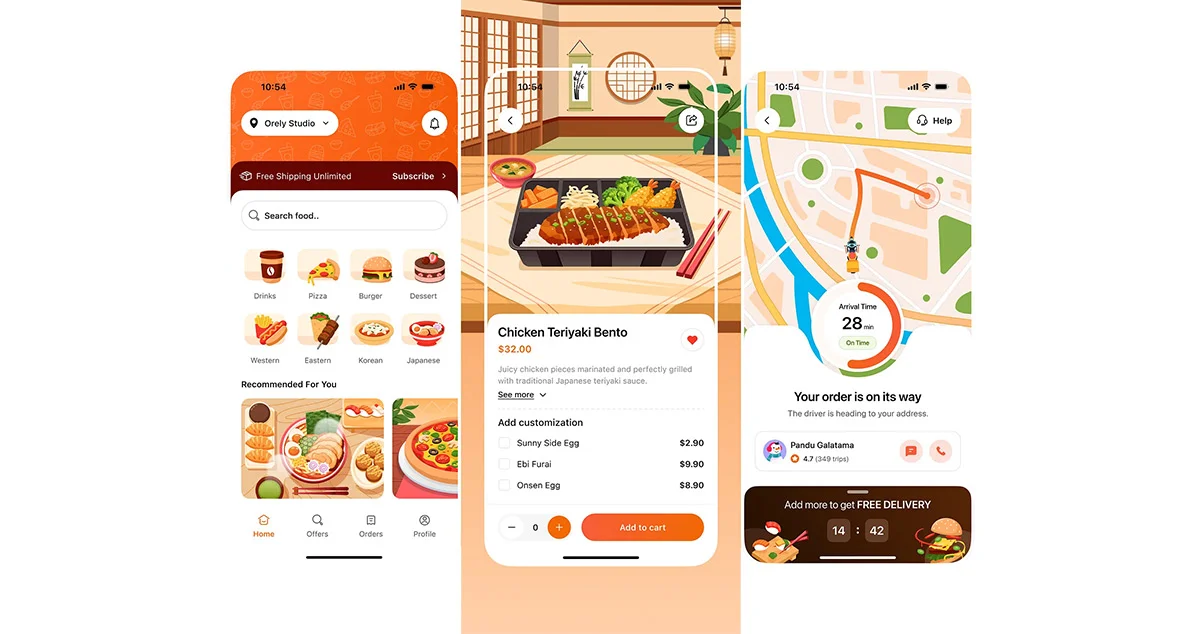
Mobile App Scraping designed a modular, fully automated solution framework tailored to the client's real-time tracking needs and long-term scalability goals.
- Menu Pulse Engine
An intelligent monitoring system built around Food Delivery Data Scraping API infrastructure that continuously captures item-level updates, including price changes, availability shifts, and new additions, across all major delivery platforms the client operated on simultaneously. - Unified Data Stream
A centralized pipeline that uses Scrape Food API Data capabilities combined with structured Food Delivery Datasets to consolidate multi-platform menu information into a single, queryable environment. This eliminated fragmented reporting and gave all teams access to one consistent source of verified menu intelligence. - Competitive Positioning Module
A purpose-built layer that maps competitor menu structures in real time, flagging significant pricing deviations and item launches that require a strategic response. This module was integrated directly with the client's internal product planning tools to reduce latency between insight and action. - Trend Forecasting Layer
Applying historical extraction patterns to identify demand cycles and seasonal shifts, this component supports forward-looking menu decisions. It translates raw platform data into predictive signals that guide inventory planning and promotional timing with measurably greater accuracy.
Implementation Process
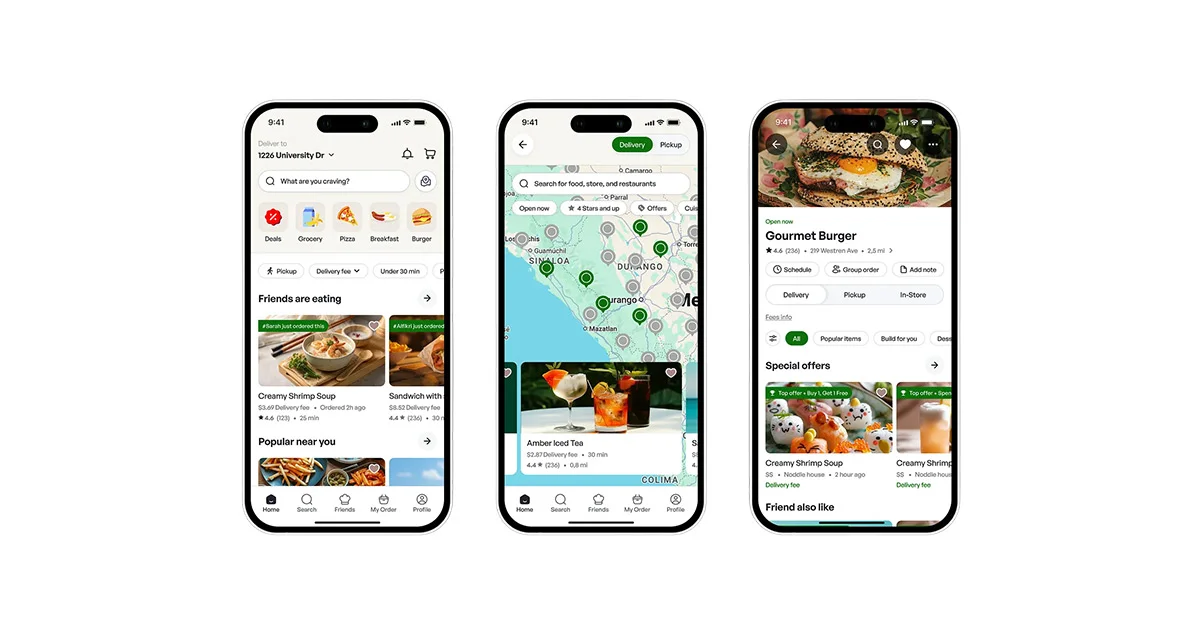
The deployment followed a phased methodology designed to minimize disruption while maximizing data coverage from the start.
- Adaptive Crawling Framework
Using Food Catalog Data Extraction architecture, we built platform-specific crawlers that adjusted dynamically to each app's structure. These crawlers were designed to handle layout changes without requiring manual reconfiguration, ensuring uninterrupted data flow across all integrated platforms at all times. - Validation and Normalization Layer
Raw data collected from disparate sources was passed through a structured enrichment pipeline where it was cleaned, categorized, and standardized. This step ensured that Food Scraping API outputs were immediately usable without additional manual cleanup or transformation by the client's internal analysts. - Insight Deployment Console
The final implementation stage involved delivering processed intelligence through an intuitive dashboard environment. Teams across menu strategy, pricing, and regional operations could access real-time outputs, run custom queries, and export structured reports aligned with their individual planning cycles and performance metrics.
Results & Impact
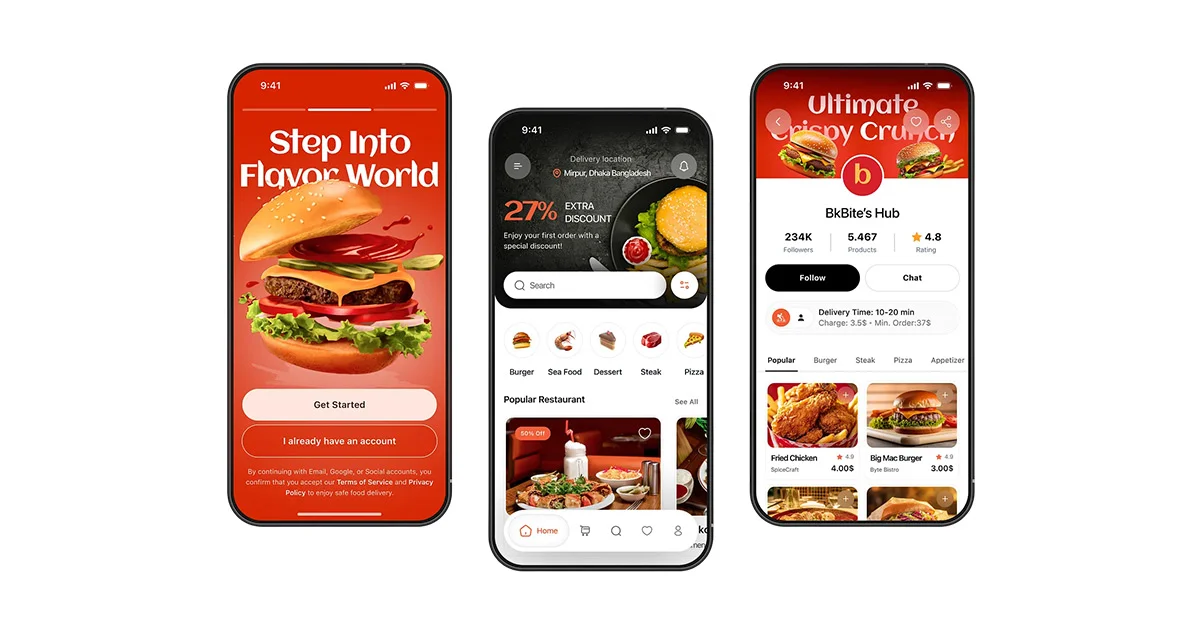
The solution delivered measurable outcomes across the client's key operational and strategic functions.
- Real-Time Menu Accuracy
By implementing continuous monitoring powered by Food Delivery Data Scraping API tools, the client achieved near-complete synchronization between their internal records and live platform listings, dramatically reducing the time wasted reconciling conflicting menu versions across departments. - Accelerated Competitor Response
With automated competitor tracking in place using Scrape Food Delivery Data methods, regional teams could act on pricing intelligence within hours of detecting a market shift, a capability that had previously taken multiple business days to execute through manual research workflows. - Enhanced Regional Menu Personalization
Location-specific data insights enabled the client to tailor menu offerings to neighborhood-level preferences, resulting in stronger item performance and improved platform ranking scores across their highest-volume delivery zones and corridors. - Operational Scalability Achieved
As the brand entered new markets, the extraction infrastructure scaled seamlessly without additional headcount. The system absorbed new platform integrations and city-level configurations without disrupting existing data flows or compromising the accuracy of ongoing market intelligence outputs.
Key Highlights
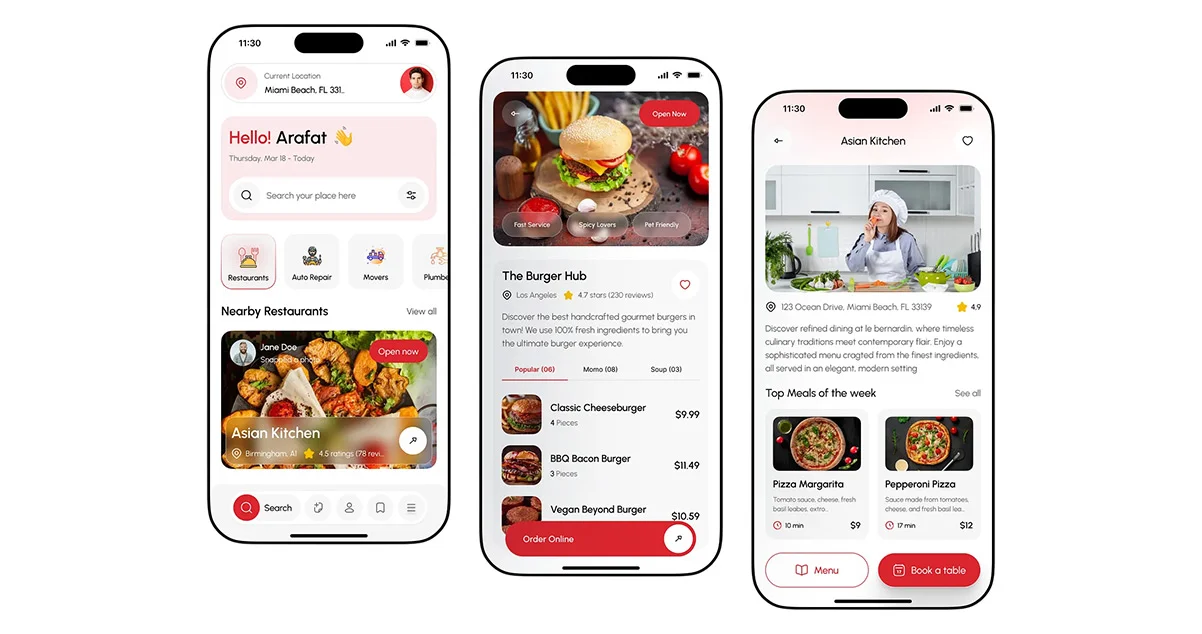
- Continuous Platform Monitoring
Delivers uninterrupted visibility into menu changes, availability windows, and pricing updates, forming the operational backbone of an intelligence strategy built on the 2026 Guide to Scraping Food Delivery Apps principles for sustainable competitive advantage. - Precision Data Structuring
Supports high-confidence decision-making by transforming complex multi-platform inputs into clean, structured outputs using Food Catalog Data Extraction methods that ensure consistency, reliability, and immediate usability across every business function. - Integrated Competitive Benchmarking
Enables brands to monitor rival menu strategies in real time using Food Delivery Data Scraping API capabilities, ensuring teams always have the context needed to position their own offerings effectively within crowded delivery marketplaces.
Use Cases
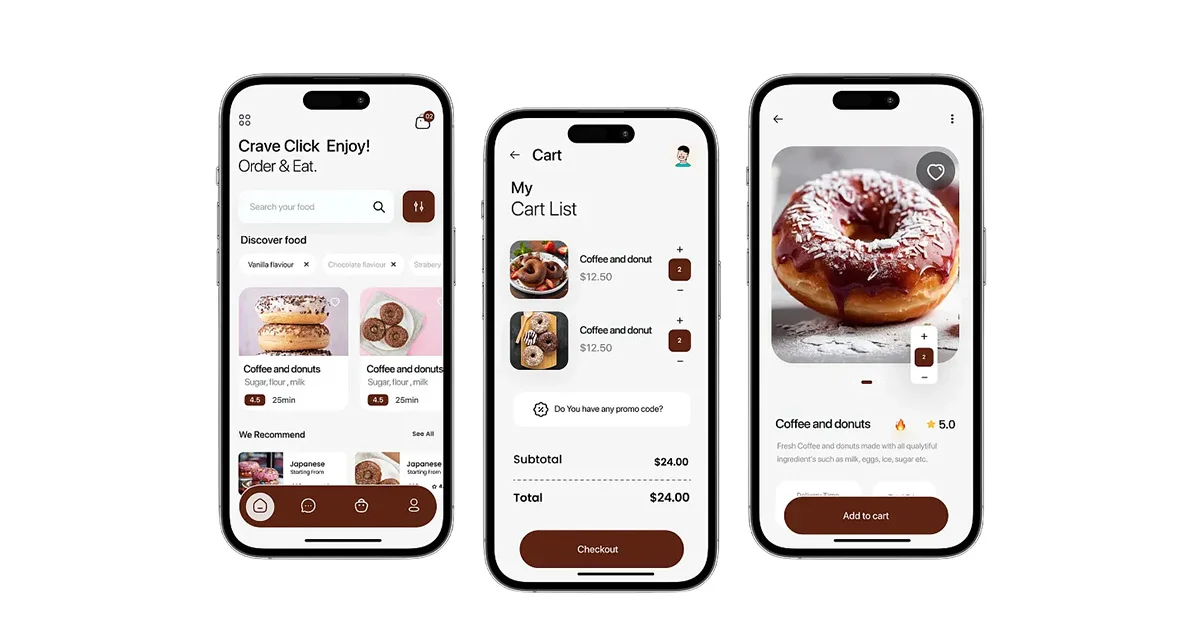
These capabilities open the door to a wide range of strategic applications across the food delivery and restaurant industries.
- Menu Performance Benchmarking
Operations teams can use Food Scraping API tools to evaluate how specific items perform relative to competitor listings across delivery platforms, identifying gaps in pricing strategy and product positioning that can be corrected before they affect revenue or market share. - Dynamic Pricing Intelligence
Category managers and pricing analysts rely on Dynamic Pricing Scraping Services to monitor how competitors adjust their pricing in response to demand fluctuations, promotional activity, and peak delivery hours, allowing for agile, real-time price optimization across all active platforms. - New Market Entry Planning
Expansion teams can analyze the competitive menu landscape in target cities before entering, using Scrape Food Delivery Data capabilities to understand what categories are saturated, where pricing gaps exist, and which item types resonate most with local consumer behavior. - Promotional Campaign Optimization
Marketing and product teams gain clear visibility into competitor promotional timing and offer structures, enabling them to design and launch campaigns that stand apart in the market rather than inadvertently mirroring what rivals are already doing in the same delivery zones.
Client's Testimonial

Before working with Mobile App Scraping, our teams were perpetually behind on market developments. The system they built around the 2026 Guide to Scraping Food Delivery Apps gave us capabilities we genuinely did not think were achievable at our scale. The accuracy of the Food Catalog Data Extraction process has completely changed how we approach both daily pricing decisions and long-term menu development.
– Allina Delgado, VP of Menu Strategy & Digital Operations
Conclusion
In a food delivery landscape defined by rapid platform changes and intensifying competition, businesses that lack real-time menu intelligence will consistently fall behind those equipped with automated, scalable data systems. The 2026 Guide to Scraping Food Delivery Apps provides a proven framework for eliminating tracking gaps, enabling smarter pricing moves, and building menus that genuinely reflect what today's consumers are looking for across every platform they use.
Accurate, structured Food Delivery Data Scraping API capabilities sit at the core of this transformation, converting raw, fragmented platform data into the kind of reliable intelligence that drives confident, timely decisions at every level of a food business. Contact Mobile App Scraping today to discover how our specialized extraction solutions can help your brand eliminate real-time tracking challenges, sharpen your competitive positioning, and build a menu intelligence foundation that scales effortlessly alongside your growth.