How AI Agents for Competitor Price Scraping for Market Analysis Drive Dynamic Pricing Decisions?
Introduction
Modern pricing strategies increasingly depend on timely competitor intelligence, especially when product prices, promotions, availability, and customer demand change frequently. AI Agents for Competitor Price Scraping for Market Analysis can continuously organize competitive information, identify meaningful shifts, and support pricing teams with structured insights for faster commercial decisions.
Retailers can combine automated extraction with Web Scraping With AI to collect pricing information across websites, marketplaces, and mobile applications. AI systems can then compare historical and current values, identify unusual movements, and connect price changes with promotional activity, product availability, and market conditions without relying entirely on manual research.
This approach helps pricing teams move from periodic analysis toward continuous decision support. Instead of reviewing scattered competitor information, businesses can use structured datasets to evaluate price gaps, promotional patterns, assortment changes, and demand signals. The resulting intelligence creates a practical foundation for dynamic pricing workflows across multiple categories and locations.
Transforming Competitor Signals Into Smarter Pricing Decisions
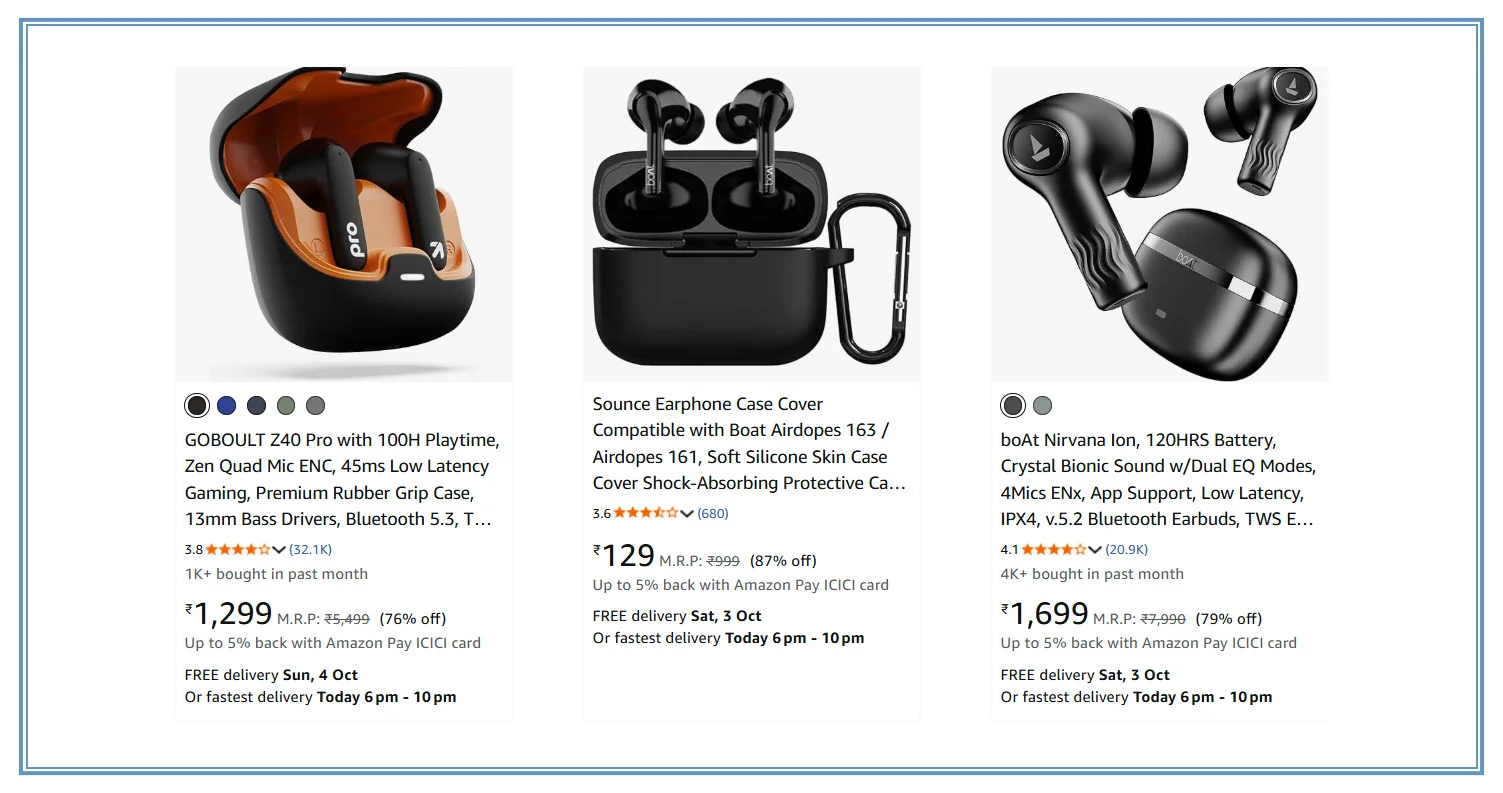
Competitor pricing information becomes more valuable when automated systems can continuously process large datasets and identify meaningful changes. Automated Dynamic Pricing Using Competitor Price Data Scraping can combine competitor prices, discounts, availability, seller information, and product attributes into structured signals. For example, a retailer monitoring 5,000 products across 20 competitors could identify recurring price movements and automatically flag significant deviations.
This gives pricing teams a clearer starting point for reviewing products that may require adjustments based on market conditions, business rules, and margin requirements. A Price Optimization Service can further organize these competitive signals into actionable pricing workflows. Instead of examining every product individually, analysts can establish predefined thresholds for price changes, promotional movements, and competitor gaps.
AI-driven monitoring can then identify exceptions requiring human review. This approach is particularly useful for businesses managing large product catalogs, multiple geographic markets, or frequently changing promotional campaigns where manual monitoring can become time-consuming.
Important capabilities can include:
- Continuous competitor price monitoring
- Automated identification of significant price movements
- Product-level competitive gap analysis
- Promotion and discount tracking
- Exception-based pricing alerts
- Structured data preparation for analytical models
| Metric | Example Monitoring Scope | Business Purpose |
|---|---|---|
| Products monitored | 5,000 | Assortment visibility |
| Competitors tracked | 20 | Competitive coverage |
| Daily checks | 24 | Frequent observation |
| Alert threshold | 10% | Exception identification |
These workflows can help organizations maintain consistent pricing observations while reducing repetitive research. Rather than treating every market movement equally, pricing teams can prioritize meaningful changes involving high-value products, major competitors, promotional events, or unusual price deviations.
Connecting Market Comparisons With Dynamic Pricing Workflows

Market comparison becomes more useful when competitive prices are analyzed alongside contextual information such as product availability, location, promotions, and seller activity. Price Comparison Services can structure these signals by product and market, allowing businesses to examine competitive positioning across different regions.
For example, a company tracking 10,000 SKUs across 15 locations may find that the same products experience different competitive price gaps depending on local offers and inventory conditions. Mobile applications can add another layer of competitive visibility because retailers and marketplaces may publish app-exclusive promotions or localized pricing.
AI systems can compare current observations with historical records, identify repeated movements, and highlight products where pricing conditions have changed significantly. Dynamic Pricing Intelligence Through Mobile App Scraping can capture relevant information from these digital channels and combine it with broader competitive datasets.
Useful workflow components include:
- Regional competitor price comparison
- App-based promotion monitoring
- Product availability observation
- Seller-level competitive analysis
- Historical price movement tracking
- Automated market-change alerts
| Data Signal | Example Volume | Analytical Purpose |
|---|---|---|
| SKUs monitored | 10,000 | Product comparison |
| Regions covered | 15 | Local analysis |
| Promotional events | 2,500/month | Offer evaluation |
| Price deviation threshold | 8% | Exception detection |
Combining these observations creates a connected workflow between market research and pricing operations. Pricing teams can review competitive movements using consistent data rather than relying on isolated observations. AI-generated signals can then support rule-based recommendations while allowing commercial teams to consider margins, inventory, positioning, and promotional objectives before making final pricing changes.
Building Continuous Data Foundations For Smarter Pricing
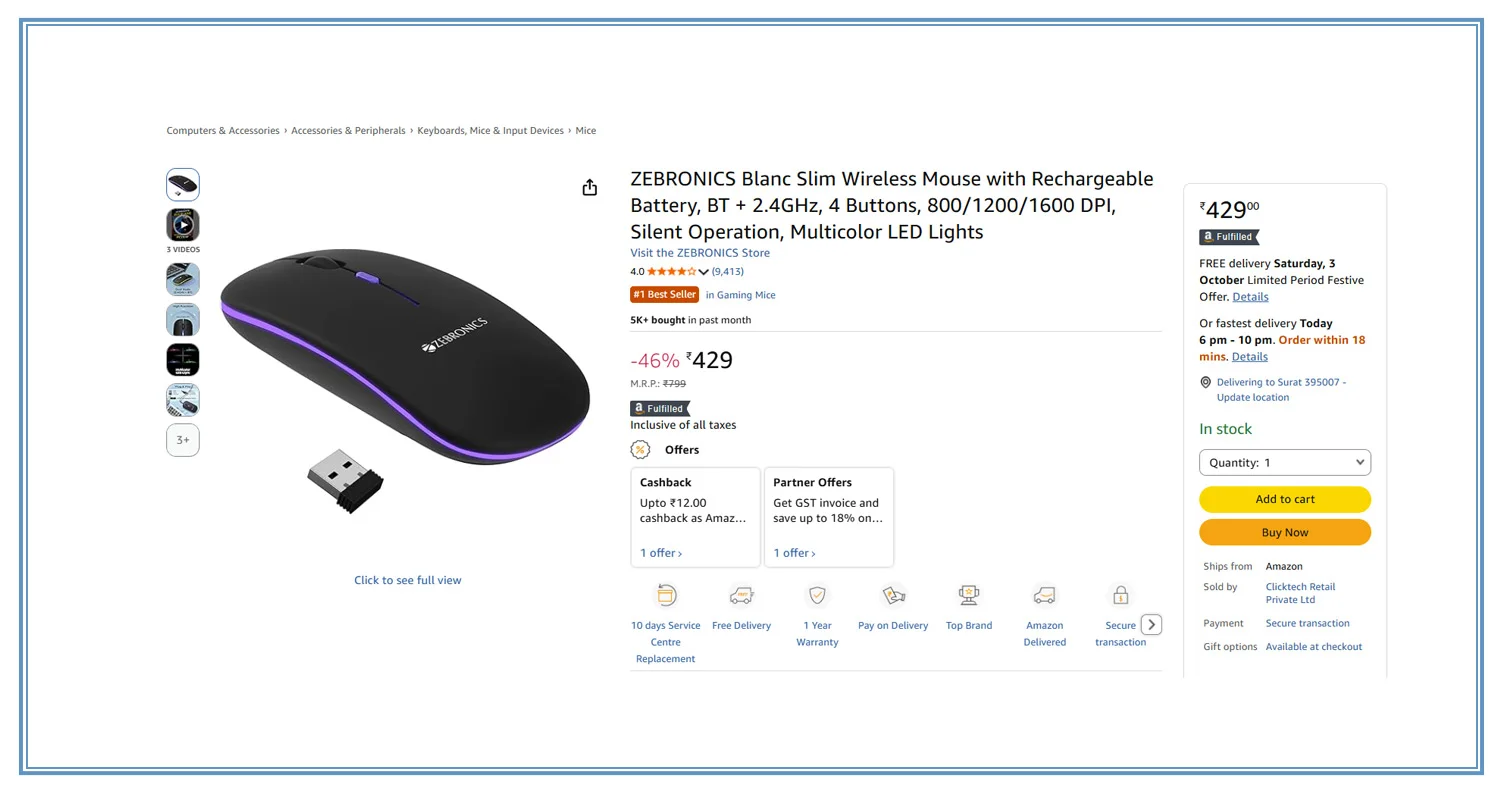
Continuous competitive monitoring creates a strong foundation for data-driven pricing because frequent observations reveal patterns that occasional research may miss. Optimization Data Scraping can collect structured information covering prices, discounts, stock status, product attributes, sellers, and promotional activity. When these records are maintained over time, businesses can compare current market conditions with historical observations and identify recurring relationships between competitor behavior and pricing movements.
Such a dataset can help analytical models identify recurring price changes, promotion cycles, availability patterns, and competitive movements across different product groups. AI Pricing Optimization Using Scraped Data can then support analytical workflows that evaluate these signals against predefined business parameters. For example, a monitoring program covering 8,000 products with hourly updates could generate 192,000 product observations each day.
Businesses can organize these capabilities around:
- Hourly or scheduled data collection
- Historical pricing record maintenance
- Competitor movement identification
- Product-level trend analysis
- Automated pricing signal generation
- Rule-based recommendation workflows
| Data Element | Example Coverage | Analytical Purpose |
|---|---|---|
| Products monitored | 8,000 | Product-level analysis |
| Update frequency | Hourly | Fresh market signals |
| Daily observations | 192,000 | Pattern identification |
| Discount monitoring | 5%+ | Promotion analysis |
The objective is not simply to change prices more frequently, but to establish a controlled workflow where continuous market observations inform structured recommendations and commercial decisions. Scraped Retail Data for AI Dynamic Pricing can add broader competitive context by bringing product, pricing, promotion, and availability records into analytical environments. Once these datasets are standardized, organizations can connect them with inventory information, sales performance, margins, and predefined pricing rules.
How Mobile App Scraping Can Help You?
Mobile applications increasingly contain localized prices, limited-time promotions, product availability, seller information, and personalized offers. AI Agents for Competitor Price Scraping for Market Analysis can use this information to complement web-based competitive intelligence and create a broader view of market behavior.
Mobile app data can be particularly useful when competitors release app-exclusive discounts or adjust prices according to location, inventory, demand, or promotional schedules.
Key capabilities can include:
- Collecting product and pricing information from selected applications
- Monitoring promotional offers and discount movements
- Capturing location-specific product availability
- Tracking changes across multiple categories and sellers
- Structuring extracted information for analytical workflows
- Supporting scheduled monitoring and automated reporting
Mobile data can provide valuable context when integrated with information from websites, marketplaces, and other digital channels. It can help pricing teams compare competitive behavior across multiple customer touchpoints while maintaining structured historical records for further analysis.
When these sources are combined, Smart Pricing Automation for AI Agents Use Scraped Data can connect market observations with pricing rules, alerts, analytical models, and reporting workflows. This creates a practical framework for organizations seeking consistent competitive monitoring across digital channels while keeping commercial teams involved in important pricing decisions.
Conclusion
Effective dynamic pricing depends on reliable competitive information, consistent analysis, and clearly defined decision rules. AI Agents for Competitor Price Scraping for Market Analysis can bring these elements together by continuously processing competitor prices, promotions, availability, and market signals. This creates a structured foundation for pricing teams seeking faster analysis across products, regions, and sales channels.
When pricing intelligence is connected with automated workflows, organizations can process large volumes of competitive information while maintaining defined commercial controls. AI Pricing Optimization Using Scraped Data can support structured recommendations based on observed market movements, business rules, and historical patterns. Connect with Mobile App Scraping to build a structured competitive pricing intelligence workflow for your business.