AI-Powered Pricing and Black Friday 2026: How Retailers Use Competitor Data to Optimize Discounts
Introduction
Holiday retail competition reaches peak intensity every November. Brands face narrowing profit margins while shoppers demand aggressive markdowns across digital channels. Relying on static pricing spreadsheets no longer guarantees conversion or revenue growth during high-traffic shopping events.
Modern retail leaders adopt AI-Powered Pricing and Black Friday 2026: How Retailers Use Competitor Data to Optimize Discounts to balance competitive appeal with healthy unit economics. Automated algorithms evaluate rival markdowns, inventory depth, and real-time demand shifts to calculate optimal price points instantaneously.
Integrating Web Scraping Services into pricing workflows enables brands to capture live market intelligence without manual delays. By monitoring competitor promotions continuously, retailers adjust catalog prices dynamically, protect margins on high-demand items, and capture market share throughout the holiday weekend.
Real-Time Competitor Monitoring Strategies for Dynamic Margin Protection
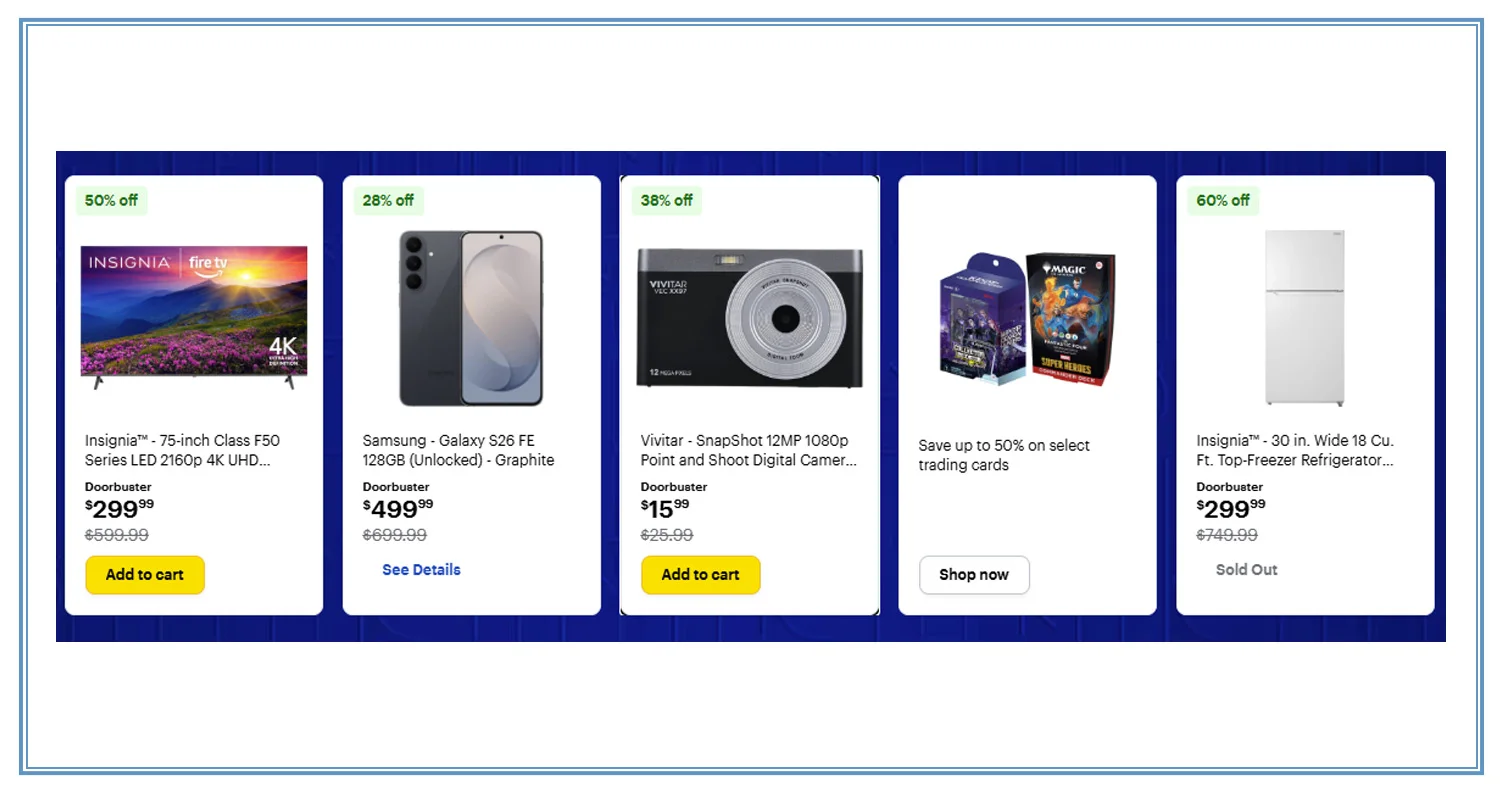
During peak holiday sales, rival merchants alter prices multiple times per hour to win algorithmic buy boxes and capture impulse buyers. Industry benchmarks indicate that dynamic pricing engines increase gross profit margins by 8% to 12% during major cyber events compared to fixed promotional calendars.
Retailers utilizing E-Commerce Datasets train machine learning models on historical price elasticity alongside live competitor feeds to establish profitable pricing boundaries. Deploying automated Black Friday Sale Web Scraping pipelines allows pricing teams to detect sudden flash markdowns across thousands of competing stock-keeping units without manual intervention.
Rather than matching every deep discount blindly, predictive algorithms evaluate rival stock availability alongside historical demand curves. When a competitor drops prices on an item with low remaining inventory, smart pricing systems hold steady, preserving profit margins until the rival sells out completely.
- Track hourly price fluctuations across direct and indirect marketplace competitors.
- Evaluate rival inventory depletion rates before triggering automated price reductions.
- Protect baseline contribution margins on high-velocity core catalog merchandise.
| Pricing Strategy | Average Margin Retention | Price Update Frequency | Stockout Vulnerability |
|---|---|---|---|
| Static Promotional Discounts | 64% | Once per 24 hours | High (32%) |
| Rule-Based Competitor Matching | 71% | Every 4 hours | Moderate (21%) |
| AI-Driven Competitor Optimization | 83% | Real-time (5–15 mins) | Low (9%) |
Sustaining profitable unit economics requires continuous calibration between aggressive customer acquisition and disciplined margin preservation. By leveraging Black Friday Deals Data Extraction across key product categories, merchandising teams identify exactly which items drive basket attachment versus standalone margin contribution.
Cross-Catalog SKU Alignment and Hidden Promotional Intelligence Gathering
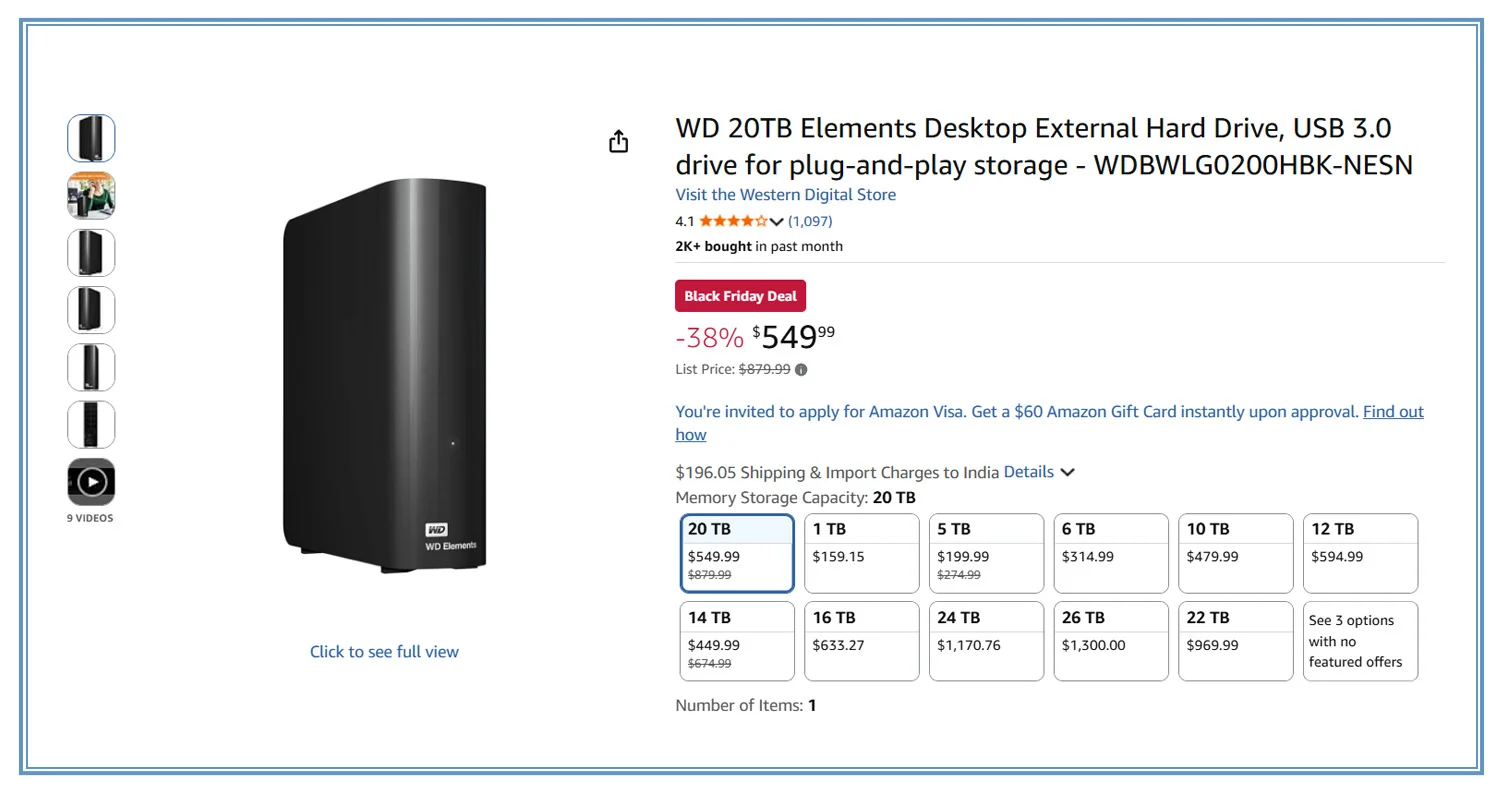
Accurate competitor benchmarking requires verifying that price comparisons occur between identical or equivalent products across disparate online marketplaces. Retailers frequently list identical merchandise under varied bundle configurations, custom titles, or regional model numbers to obscure direct price matching.
Research shows that misclassifying just 5% of competing SKUs leads to unnecessary margin erosion exceeding $150,000 for mid-sized online stores during Cyber Week. Implementing advanced Product Matching Services resolves catalog discrepancies by pairing attributes, images, and technical specifications through computer vision and natural language processing.
Once catalog items align accurately across rival storefronts, pricing engines distinguish true apples-to-apples discounts from deceptive multi-pack variations. Eliminating false matches prevents automated algorithms from triggering unwarranted price drops on premium single-unit listings.
- Normalize disparate product titles, manufacturer codes, and regional packaging variations.
- Separate multi-unit value bundles from standalone item pricing comparisons.
- Verify stock status and fulfillment speeds alongside base listing prices.
| Promotional Mechanic | Prevalence in 2026 | Average Discount Depth | Consumer Conversion Lift |
|---|---|---|---|
| Direct Percentage Markdowns | 46% | 28% | +19% |
| Tiered Cart Spend Thresholds | 27% | 22% | +26% |
| Bundled Accessory Offers | 16% | 18% | +23% |
| Flash Lightning Coupons | 11% | 35% | +31% |
Analyzing full promotional structures empowers pricing teams to counter rival bundles with tailored value propositions rather than destructive price cuts. Incorporating Black Friday Promotional Offers Scraping reveals hidden discount mechanics such as tiered cart thresholds, buy-one-get-one rules, and member-only coupon codes. Capturing these layered incentives ensures dynamic models respond to the true net checkout price shoppers actually pay.
Automated Data Pipelines for Instant Storefront Repricing Execution
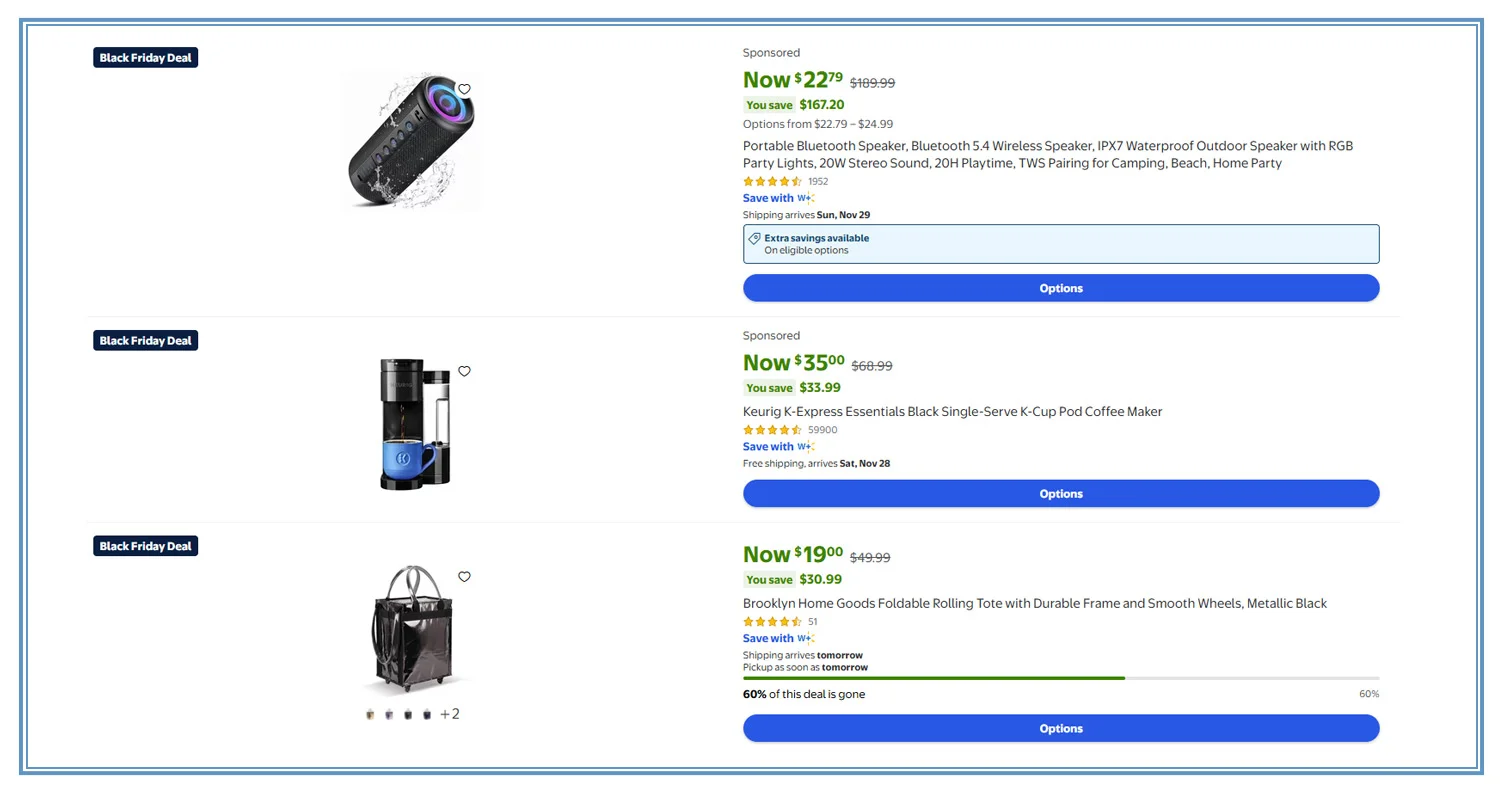
Latency between detecting a competitor price drop and updating an online storefront directly impacts conversion rates during high-velocity shopping windows. Retail analytics demonstrate that delayed price responses exceeding 30 minutes result in a 17% drop in checkout completion for high-intent comparison shoppers.
High-volume merchants rely on API Scraping to stream structured competitor intelligence directly into enterprise resource planning and repricing engines without parsing bottlenecks. Connecting low-latency data feeds directly to storefront pricing modules eliminates manual spreadsheet uploads and maintains continuous visibility across global marketplaces.
When rival merchants launch midnight doorbusters or hourly lightning deals, automated webhooks trigger immediate algorithmic recalculations based on predefined margin floors and inventory velocity targets. Rapid execution captures price-sensitive buyers before competitors can react to shifting market dynamics.
- Stream structured JSON pricing payloads directly into enterprise repricing software.
- Trigger automated webhook alerts when key rivals breach minimum advertised thresholds.
- Synchronize regional currency conversions, tax rules, and shipping fee adjustments.
| Pipeline Architecture | Average Data Latency | Hourly SKU Capacity | Repricing Accuracy |
|---|---|---|---|
| Manual Analyst Audits | 6–12 hours | 250 SKUs | 81% |
| Legacy Batch Crawlers | 2–3 hours | 15,000 SKUs | 90% |
| Real-Time Automated Streams | Under 2 minutes | 500,000+ SKUs | 99.4% |
Low-latency infrastructure transforms raw market movements into immediate pricing actions, keeping storefronts competitive throughout peak traffic surges. Utilizing Scrape Black Friday Deals From Ecommerce Websites workflows guarantees uninterrupted data delivery even when rival sites deploy aggressive anti-bot defenses. Resilient extraction pipelines keep algorithmic pricing engines operating at peak accuracy from pre-sale teasers through Cyber Monday closeouts.
How Mobile App Scraping Can Help You?
Mobile commerce accounts for over 60% of holiday transactions, making app-exclusive pricing critical for competitive visibility. Understanding AI-Powered Pricing and Black Friday 2026: How Retailers Use Competitor Data to Optimize Discounts requires tracking mobile-only flash sales that never appear on desktop websites.
Our approach includes:
- Capture app-exclusive lightning deals and mobile-only push notification discounts in real time.
- Monitor geo-targeted promotional pricing across different regional postal codes and delivery zones.
- Track in-app loyalty rewards, spin-to-win coupon wheels, and mobile wallet cashback incentives.
- Identify mobile stock availability discrepancies compared to standard desktop storefront inventory counts.
- Benchmark mobile checkout shipping thresholds and express delivery fee waivers against top rivals.
- Analyze competitor mobile banner placements to forecast upcoming category-wide promotional pushes.
Integrating mobile app intelligence with Scrape Black Friday Deals From Ecommerce Websites provides complete omnichannel pricing visibility across every shopper touchpoint.
Conclusion
Winning retail margins during the busiest shopping season demands speed, precision, and automated market intelligence. Adopting AI-Powered Pricing and Black Friday 2026: How Retailers Use Competitor Data to Optimize Discounts empowers brands to replace reactive guesswork with calculated, profit-driven markdowns.
Building a resilient pricing engine starts with reliable, structured market feeds delivered at enterprise scale. Utilizing Black Friday Sale Web Scraping ensures your pricing algorithms receive clean, accurate competitor data throughout every hour of the holiday rush. Contact Mobile App Scraping today to schedule a custom consultation and deploy tailored competitor pricing feeds before peak holiday traffic begins.
FAQs
1. How does Black Friday Sale Web Scraping protect retail profit margins?
Automated Black Friday Sale Web Scraping monitors rival price drops and stock levels continuously, allowing AI pricing engines to avoid unnecessary discounts when competitors run low on inventory.
2. Why is Black Friday Deals Data Extraction essential for holiday pricing?
Real-time Black Friday Deals Data Extraction feeds live competitor pricing directly into automated algorithms, enabling online retailers to adjust storefront discounts instantaneously and capture high-intent holiday shoppers.
3. How can businesses Scrape Black Friday Deals From Ecommerce Websites accurately?
Retailers use automated data pipelines and product matching tools to Scrape Black Friday Deals From Ecommerce Websites, aligning identical SKUs across marketplaces for accurate, real-time price benchmarking.
4. What insights does Black Friday Promotional Offers Scraping provide to retailers?
Using Black Friday Promotional Offers Scraping uncovers hidden rival incentives like tiered cart thresholds, bundle deals, and member coupons so AI models can calculate competitive net prices.
5. How do E-Commerce Datasets improve AI pricing during peak holiday sales?
Historical E-Commerce Datasets train machine learning models on consumer price elasticity and demand shifts, helping retailers optimize discount depths for maximum conversions and revenue during Cyber Week.