

How Can AI-Powered Web Scraping for Business Intelligence Help Businesses Make Smarter Decisions?
Introduction
Modern enterprises face an overwhelming influx of unorganized online information daily. Traditional extraction tools often break when site layouts change unexpectedly, causing data gaps. Modern enterprises now rely on AI-Powered Web Scraping for Business Intelligence to capture complex web data seamlessly and convert unstructured HTML into structured, actionable insights.
By combining intelligent adaptive parsers with machine learning models, modern web extraction effortlessly adapts to complex site architectures. Web Scraping AI empowers organizations to systematically monitor market changes, track rival strategies, and automate large-scale data aggregation without manual intervention or pipeline disruptions.
Deploying intelligent automated extraction ensures leadership teams receive clean, timely data directly into their analytics systems. This seamless flow of unstructured web data transformed into strategic assets allows companies to make accurate, data-driven decisions faster than ever before.
Strategic Market Research Insights Streamline Enterprise Decision Making
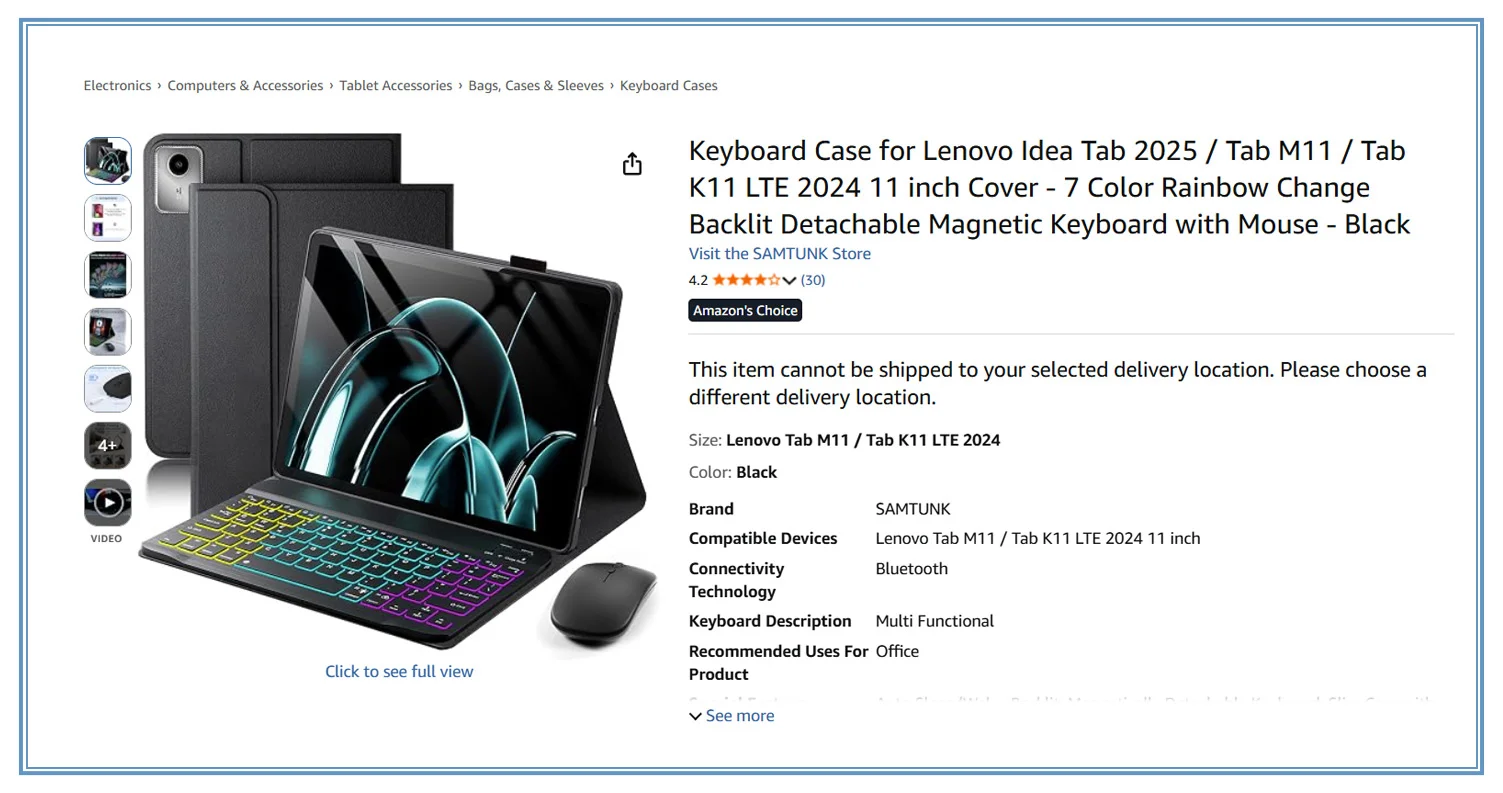
Enterprise decision-making relies heavily on precise commercial intelligence gathered across dynamic digital marketplaces continuously. Corporate teams often spend countless manual hours tracking dynamic catalog shifts, promotional discounts, and product launches without achieving full market visibility. Modern organizations eliminate these expensive manual bottlenecks by automating critical extraction tasks across competing platforms.
When corporate leaders implement professional Web Scraping Services within their operational workflows, they achieve continuous visibility into critical market movements. Automated data feeds process millions of dynamic web pages daily, giving strategy teams immediate access to raw data that would otherwise take weeks to compile manually.
Using a custom AI-Powered Web Data Scraper for Market Intelligence enables decision-makers to structure complex external web content directly into clear executive reporting dashboards. This continuous data flow minimizes human error, accelerates tactical strategic planning, and ensures leadership teams evaluate validated market changes rather than relying on outdated assumptions.
- Automated collection of rival product listings and daily inventory updates.
- Continuous monitoring of consumer sentiment through customer review aggregation.
- Instant tracking of regional promotional pricing and catalog modifications.
| Industry Sector | Primary Scraped Data Points | Decision Impact |
|---|---|---|
| E-Commerce | Pricing, Stock Status, Reviews | Automated price adjustments |
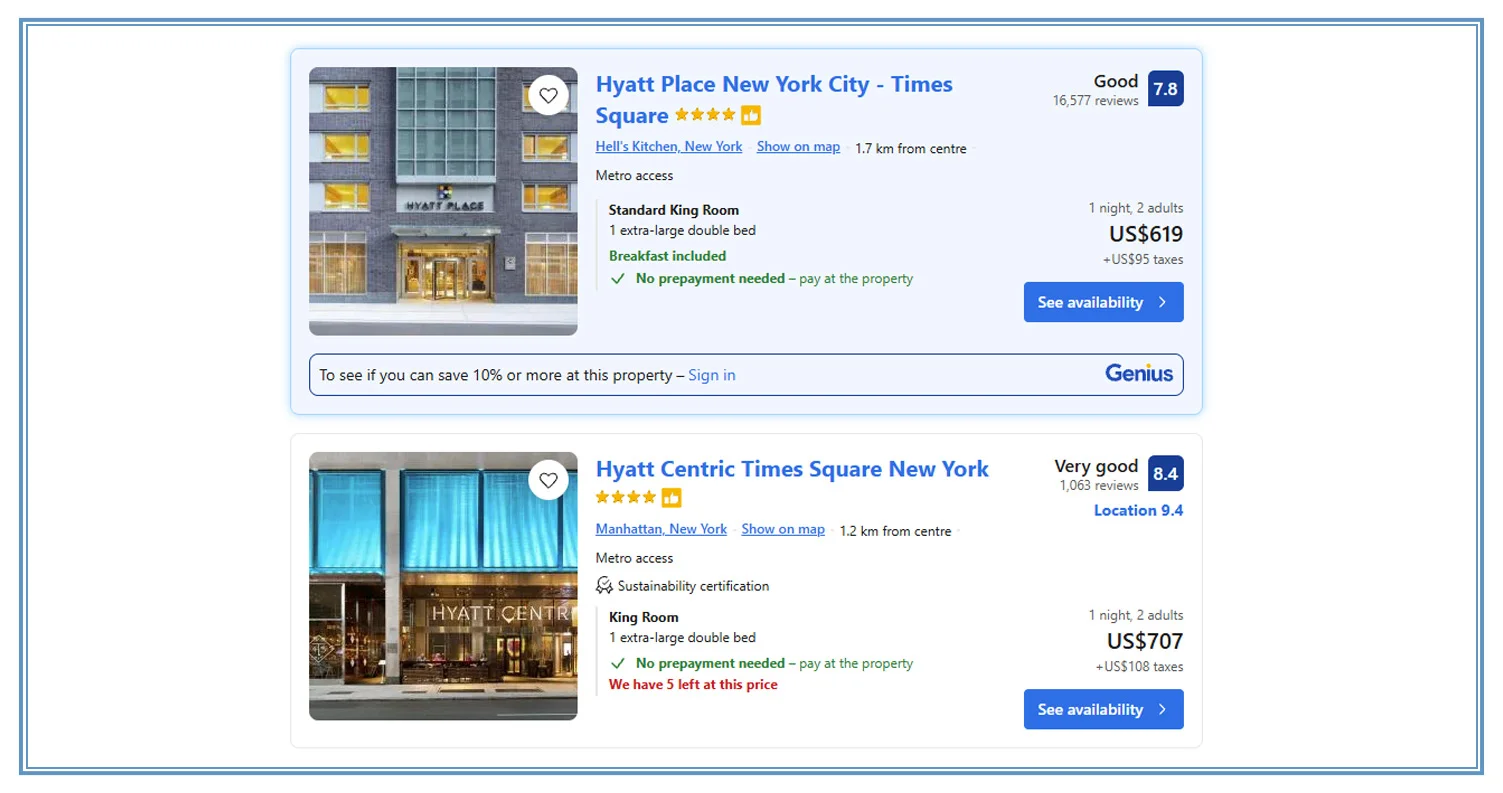
| Travel | Room Rates, Flight Fares | Optimized revenue management |
| Finance | Earnings Calls, Filings | Risk analysis and forecasting |
Market research automation ultimately empowers brands to react quickly to emerging commercial trends and shifting consumer expectations. Companies can benchmark their performance against industry rivals continuously, ensuring product catalogs and service offerings remain fully optimized in fast-changing digital environments.
Sector Specific Intelligence Optimizes Complex Global Supply Chains
Global supply chains demand real-time visibility into external operational factors to prevent costly delays and logistical bottlenecks. Supply chain managers face constant challenges from fluctuating raw material costs, vendor rate changes, and complex regulatory updates. Relying on periodic manual audits often leads to delayed responses during sudden market shifts.
Modern supply chain strategies integrate automated external web monitoring to track crucial logistical nodes constantly. Machine learning models systematically scan vendor portals, global transport hubs, and public trade databases to identify potential disruptions long before they impact primary operational schedules.
In rapidly evolving industrial sectors, leveraging specialized Renewable Energy Datascraping AI Web Scraping platforms allows operational managers to track localized energy tariffs, equipment availability, and regional infrastructure developments accurately. This granular data stream helps leaders optimize energy procurement timelines and mitigate expensive resource shortages.
- Tracking vendor shipping timelines and global logistics rate changes.
- Monitoring international raw material inventories and commodity price shifts.
- Aggregating regional energy production metrics and local utility filings.
| Data Metric Tracked | Update Frequency | Strategic Benefit |
|---|---|---|
| Energy Tariffs | Real-Time / Hourly | Optimized energy purchasing |
| Equipment Supplies | Daily | Reduced procurement delays |
| Permit Filings | Weekly | Faster site compliance checks |
Automated sector intelligence ensures procurement officers maintain complete transparency over global supplier networks. By integrating automated web metrics into core inventory planning, organizations establish resilient supply chains capable of adapting dynamically to unexpected external market fluctuations.
Real Time Enterprise Analytics Drive Dynamic Pricing Strategies

Modern revenue management requires continuous data feeds to sustain profitability across hyper-competitive digital selling environments. Static pricing models fail to preserve gross margins when online competitors update their catalog pricing multiple times per day. Executive teams need constant analytical visibility to maintain market positioning.
Integrating reliable Price Intelligence Data Scraping pipelines allows commercial brands to monitor competitor pricing fluctuations across multi-channel marketplaces automatically. Algorithmic pricing engines consume these continuous data streams to execute optimized rate adjustments in real time, protecting profit margins while maximizing sales conversions.
Deploying comprehensive AI-Powered Web Data Extraction for Enterprise Analytics solutions helps executive leadership connect external market trends directly with internal inventory systems. This unified data approach provides business intelligence analysts with holistic market visibility, improving demand forecasting accuracy across diverse product lines.
- Instant notification of competitor price reductions and promotional campaigns.
- Direct integration of external market data into enterprise resource dashboards.
- Algorithmic margin management based on real-time market supply conditions.
| Analytics Focus Area | Web Data Source | ROI Outcome |
|---|---|---|
| Competitive Pricing | Retailer & Marketplace Portals | Gross margin optimization |
| Demand Forecasting | Social Media & Aggregators | Inventory waste reduction |
| Customer Sentiment | Review Portals & Forums | Faster product iterations |
Continuous web analytics transform raw pricing data into clear commercial advantages for forward-thinking leadership teams. Organizations using automated web intelligence respond to market shifts significantly faster than legacy competitors, securing higher market share and maintaining sustainable profitability.
How Mobile App Scraping Can Help You?
Mobile devices account for the majority of digital interactions, making app data a vital resource for strategic decisions. Extracting structured insights from mobile applications gives companies visibility into platform-specific pricing, localized promotions, user ratings, and exclusive feature rollouts.
Deploying AI-Powered Web Scraping for Business Intelligence across mobile ecosystems allows corporate teams to capture critical in-app data points that standard desktop crawlers completely miss.
Consider how targeted mobile data gathering transforms decision-making:
- Capture localized product availability and real-time app-exclusive discounts across regions.
- Monitor user sentiment through continuous app store review aggregation and rating trends.
- Track rival application updates, onboarding flows, and feature release cadences instantly.
- Analyze user engagement metrics to identify growing market demands and feature gaps.
- Audit third-party vendor listings to prevent unauthorized brand resale and MAP violations.
- Gather location-based service prices to refine dynamic regional offering strategies.
Businesses that implement an AI-Powered Data Scraping API for Business Analytics can automatically channel fresh mobile insights directly into custom intelligence dashboards for fast strategic action.
Conclusion
Modern commerce rewards organizations that turn raw web information into clear operational strategies faster than their competitors. Enterprise leaders achieve this edge by implementing AI-Powered Web Scraping for Business Intelligence to automate data gathering, eliminate manual research bottlenecks, and power enterprise decision engines.
Adopting continuous web data collection strengthens analytical accuracy while positioning organizations to capitalize on rapidly shifting market trends. Incorporating Real-Time AI Web Scraping for Product Price Tracking delivers the ultimate competitive foundation required to optimize operational efficiency and maximize revenue. Contact Mobile App Scraping today to transform your business intelligence workflows.