How Can Amazon Dynamic Pricing Strategy With Data Insights Boost Revenue by 40% Using Smart Data?
Introduction
In today’s hyper-competitive eCommerce ecosystem, pricing is no longer static—it evolves in real time based on demand, competition, and customer behavior. This is where Amazon Dynamic Pricing Strategy With Data Insights becomes a game-changer. By continuously analyzing product trends, competitor pricing, and consumer demand signals, sellers can make agile decisions that significantly impact their bottom line.
With access to Amazon Price Optimization Data, brands can identify price elasticity, understand peak buying windows, and refine discount strategies without eroding margins. This intelligent approach allows businesses to remain competitive while ensuring profitability. Additionally, insights drawn from real-time datasets empower sellers to adjust pricing dynamically across regions, seasons, and customer segments.
Understanding What Is Amazon Dynamic Pricing Strategy is essential for any modern retailer aiming to scale. It combines machine learning algorithms with data intelligence to automatically adjust prices based on various external and internal factors. When executed effectively, this strategy can increase revenue by up to 40% while enhancing customer satisfaction and brand positioning.
Detecting Untapped Pricing Opportunities Using Structured Market Intelligence
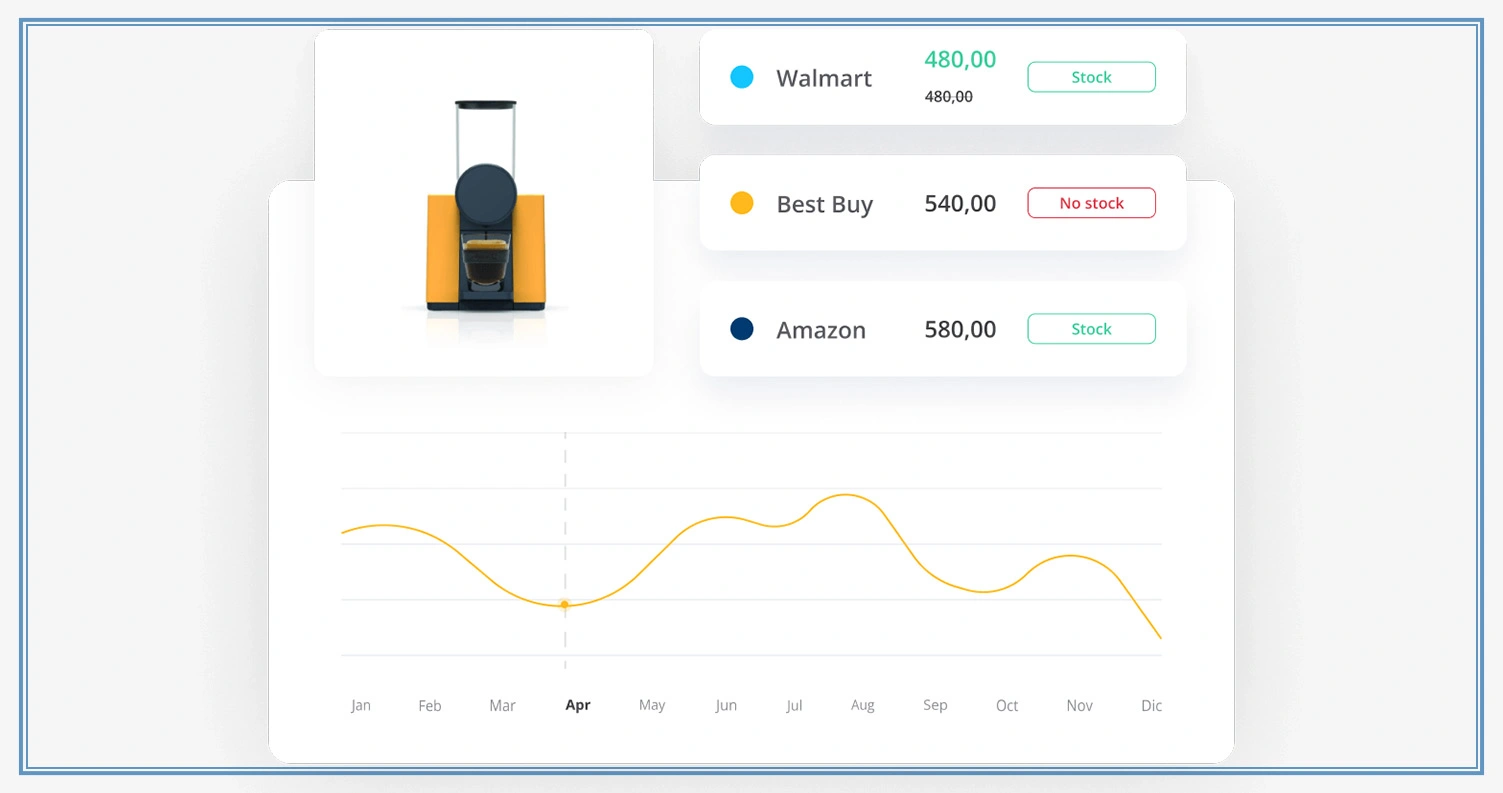
Understanding where pricing inefficiencies exist is critical for improving conversions and capturing missed revenue. With the help of Amazon Product App Data Scraping, businesses can gather detailed product-level insights such as price fluctuations, availability, ratings, and promotional changes across competitors.
This enables a deeper understanding of how pricing shifts influence buying behavior. A well-maintained Amazon Competitor Price Monitoring Dataset provides clarity on how often competitors change their prices and the patterns behind those changes. By analyzing these movements, sellers can align their pricing to maximize visibility without sacrificing profitability.
Additionally, leveraging an Amazon Competitor Analysis Dataset allows brands to benchmark their offerings against similar products, helping them identify underpriced or overpriced listings that require adjustments. Instead of reacting late to market changes, businesses can proactively identify pricing gaps and capitalize on them.
Key Pricing Insights Table:
| Metric | Insight Benefit | Business Impact |
|---|---|---|
| Competitor Price Variations | Identifies pricing patterns | Improves positioning |
| Demand Trends | Highlights buying behavior shifts | Boosts conversions |
| Discount Monitoring | Tracks promotional effectiveness | Optimizes campaigns |
| Product Availability | Detects supply gaps | Reduces missed opportunities |
This approach enhances product positioning while improving customer trust and purchase likelihood. Data-driven decision-making ensures that pricing aligns with both demand and competitive intensity.
Building Strong Competitive Advantage Through Continuous Data Monitoring

Maintaining a competitive edge in eCommerce requires constant awareness of pricing dynamics. By incorporating Amazon Dynamic Pricing Strategy, sellers can align their pricing decisions with ongoing market conditions, ensuring better responsiveness and improved sales outcomes.
Using Real Time Amazon Pricing Dataset Insights, companies can track competitor price updates instantly and respond without delays. This allows businesses to maintain competitive pricing while protecting profit margins. The ability to react quickly ensures that products remain attractive to buyers even in highly competitive categories.
To support this approach, organizations often Scrape Amazon Pricing Intelligence to collect large-scale data on pricing trends, discounts, and customer engagement metrics. Furthermore, when businesses Scrape Amazon API Data, they gain access to structured and reliable datasets that can be directly integrated into automated pricing systems.
Real-Time Pricing Comparison Table:
| Parameter | Traditional Approach | Data-Driven Approach |
|---|---|---|
| Price Update Frequency | Periodic | Continuous |
| Market Responsiveness | Slow | Immediate |
| Revenue Optimization | Limited | High |
| Customer Engagement | Moderate | Strong |
This continuous flow of data enables businesses to adapt faster, improve pricing accuracy, and strengthen their market position. Real-time monitoring ensures that pricing strategies remain relevant and aligned with customer expectations.
Improving Profitability With Intelligent Automated Pricing Systems
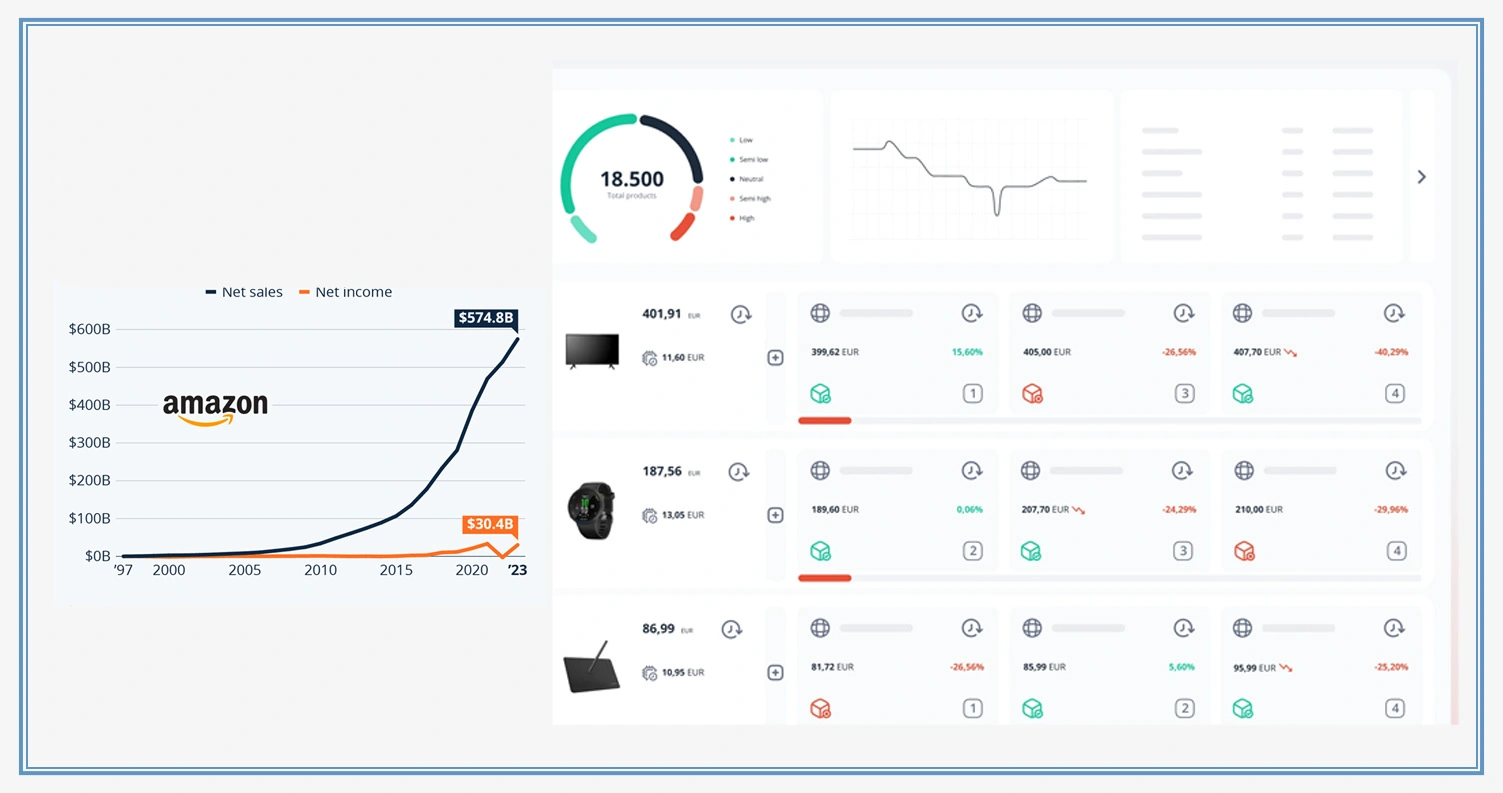
Balancing competitiveness and profitability is one of the most complex challenges in eCommerce. By adopting automation supported by Amazon App Data Scraping Services, businesses can streamline pricing workflows and maintain consistency across multiple listings.
Automated pricing systems analyze historical trends, competitor movements, and demand signals to determine the most effective price points. This reduces dependency on manual intervention and ensures that pricing decisions are always backed by data. Additionally, these systems help businesses minimize errors while improving overall efficiency.
With access to advanced datasets, organizations can refine their pricing models and implement predictive strategies. These systems continuously evaluate market conditions and adjust prices accordingly, ensuring optimal performance across different scenarios. This approach not only improves revenue but also strengthens long-term business sustainability.
Automated Pricing Impact Table:
| Factor | Before Automation | After Automation |
|---|---|---|
| Pricing Accuracy | Inconsistent | Highly Reliable |
| Time Investment | High | Low |
| Revenue Growth | Moderate | Significant |
| Operational Efficiency | Limited | Enhanced |
Automation also allows businesses to test multiple pricing strategies simultaneously, identifying the most effective approach without risking performance. As a result, companies can scale their operations while maintaining control over profitability and competitiveness.
How Mobile App Scraping Can Help You?
Modern eCommerce success depends heavily on data accessibility and real-time insights. Integrating Amazon Dynamic Pricing Strategy With Data Insights into scraping solutions allows companies to make faster and more accurate pricing decisions.
Key benefits of our solution:
- Enables continuous tracking of product price fluctuations.
- Helps identify competitor pricing patterns quickly.
- Supports better inventory and demand planning.
- Improves decision-making with real-time insights.
- Reduces manual effort through automation.
- Enhances overall operational efficiency.
These capabilities empower businesses to stay competitive while optimizing their pricing strategies. Additionally, access to structured Amazon Datasets ensures that companies can build scalable and data-driven pricing models tailored to their specific needs.
Conclusion
Adopting data-driven pricing is no longer optional in today’s competitive marketplace. Businesses that integrate Amazon Dynamic Pricing Strategy With Data Insights into their operations can significantly improve revenue, enhance customer satisfaction, and maintain a strong market presence.
By utilizing advanced datasets like the Amazon Competitor Price Monitoring Dataset, companies can refine their pricing strategies and achieve sustainable growth. Ready to transform your pricing strategy? Start leveraging Mobile App Scraping today and take your eCommerce performance to the next level.