Introduction
The multi-retail grocery sector has recorded 21% annual expansion, making structured product intelligence a critical priority for businesses competing across fragmented digital and physical retail channels. Challenges in Multi-Retail Grocery Data Scraping and Solutions have become central to how organizations build market awareness, map pricing dynamics, and decode consumer behavior across 90+ retail segments contributing nearly $52.6 billion in annual market value.
This study examines how Grocery Web Data Scraping for Smarter Decisions empowers businesses to systematically extract, validate, and deploy product-level intelligence from leading grocery chains, wholesale operators, and regional retailers serving over 4.1 million active shoppers. With Grocery App Data Extraction capabilities integrated across mobile and web platforms, businesses can access structured retail datasets from over 260 store locations spanning 18 regional markets.
Grocery API Data Scraping to Improve Household Shopping Decisions plays a significant role in connecting consumer purchase behavior, pricing patterns, and inventory availability into actionable dashboards that support sourcing, promotional planning, and demand forecasting. Addressing these data extraction barriers with the right technical frameworks has shown potential for up to 17.4% quarterly revenue improvement across mid-sized retail operations.
Methodology
1. Research Design and Scope
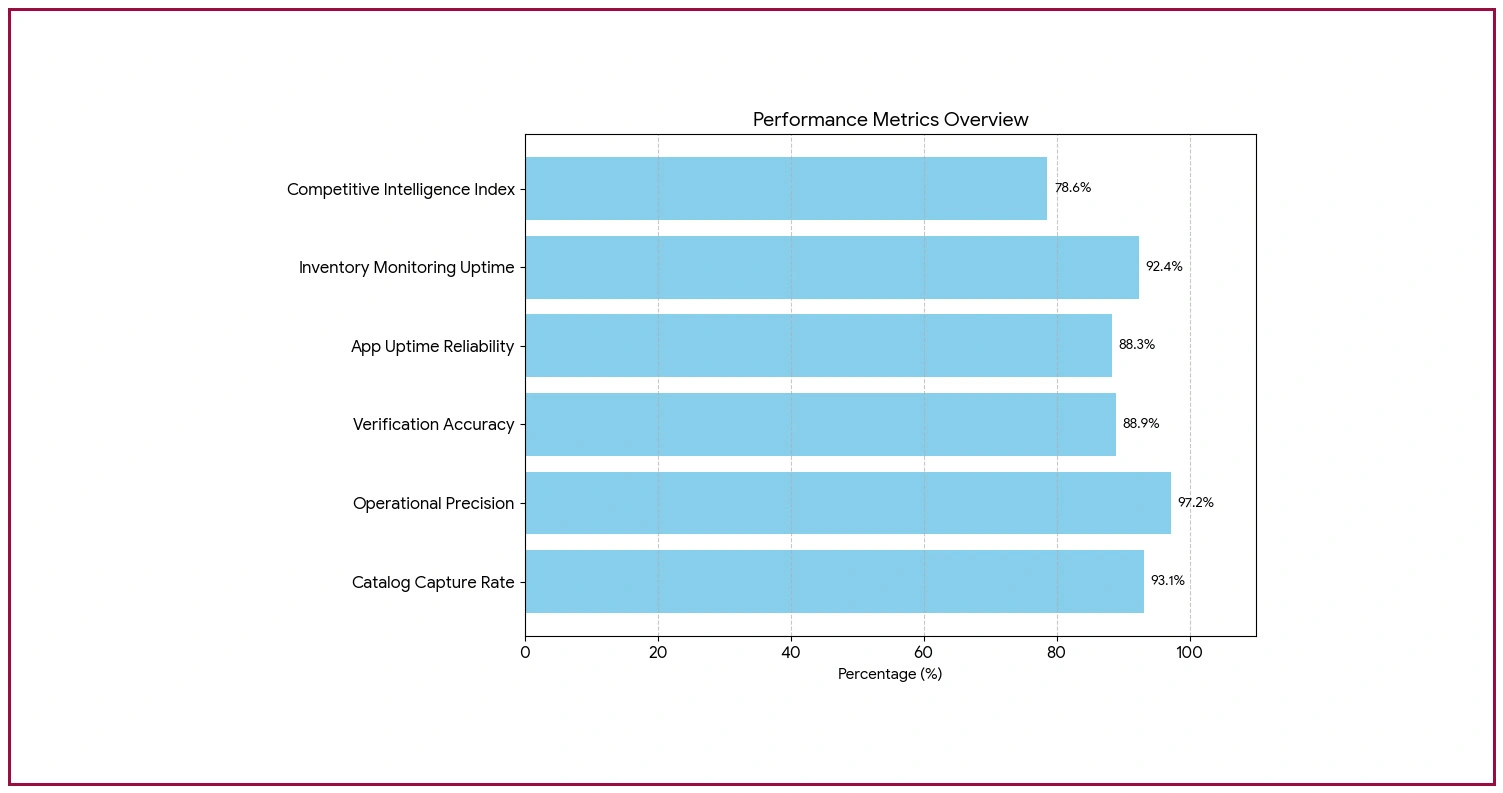
- Multi-Platform Catalog Mapping: Systematic evaluation of grocery product listings across 260+ store locations covering over 138,000 product records distributed across 92 retail categories and seasonal SKU segments, achieving a 93.1% catalog capture rate.
- High-Frequency Data Harvesting: Automated collection systems engineered for diverse grocery retail architectures gather approximately 2.6 million data points daily, targeting product attributes, pricing tiers, and real-time stock signals with 97.2% operational precision.
- Verification and Quality Control: A structured validation pipeline drawing from 2,600+ supplier catalogs and multi-source pricing feeds ensures data consistency, delivering an 88.9% cross-source verification accuracy.
2. Technical Infrastructure
- Custom Extraction Frameworks: Python-based pipelines integrating Scrapy, Pandas, and Selenium handle 48,000+ SKUs optimized for high-frequency inventory environments and anti-bot architecture across major grocery platforms.
- Mobile Architecture Compatibility: Quick Commerce App Data Extraction solutions built for quick-commerce and grocery app interfaces across 18 regions enable dynamic content capture with 88.3% uptime reliability under varied session conditions.
- Parallel Processing Pipelines: Distributed data workflows with multi-node processing support manage 138,000+ product entries, sustaining real-time inventory synchronization at a 4.3x daily refresh rate.
3. Information Collection Specifications
- Inventory Signal Tracking: Near-real-time stock availability monitoring achieving 92.4% uptime, with seasonal catalog shifts affecting approximately 19.3% of products and consistent supply-side updates logged at a 13.1x daily rate.
- Shopper Behavior Intelligence: Web Scraping Grocery Reviews Data powers this layer by systematically capturing verified purchase feedback, sentiment trends, and rating distributions across product categories.
- Retail Benchmark Metrics: Cross-category benchmarking across 92 segments, comparing 2,600+ brand partners and measuring relative market share contributions to generate a 78.6% competitive intelligence index.
Key Findings and Research Results
This study extensively analyzed multi-retailer grocery data to evaluate product catalog effectiveness, pricing competitiveness, and inventory performance across 92 categories. Detailed outcomes from processing 138,000+ product records are outlined below.
| Metric | Figure |
|---|---|
| Total Product Records | 138,000+ |
| Retail Categories Covered | 92 |
| Brand Partnerships | 2,600+ |
| Data Accuracy Rate | 97.2% |
| Daily Processing Volume | 2.6M |
| Weekly Update Frequency | 8.7x |
| Geographic Market Reach | 18 states |
| Registered Member Profiles | 4.1M |
Product Distribution and Inventory Intelligence
1. Catalog Segmentation Performance
- Dynamic Category Allocation: Grocery product categories sustain 74.8% availability across 92 active segments, contributing $3.1 billion in quarterly revenue through structured inventory management during peak demand windows.
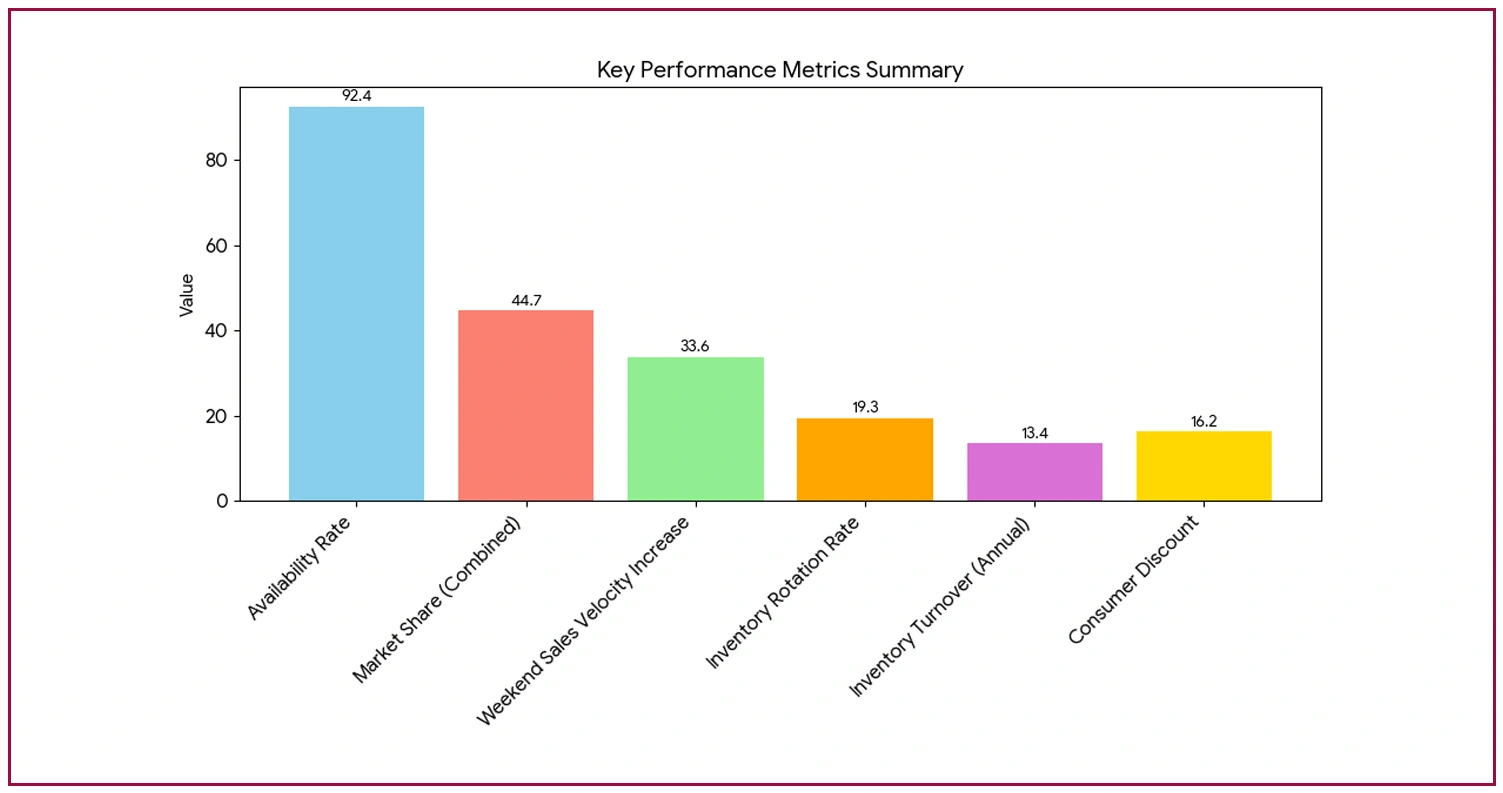
- Private Label and Premium Balance: Procurement strategies targeting private-label and branded premium products have captured a 44.7% combined market share, with category-wide weekend sales velocity increasing 33.6% through systematic product listing extraction.
- Seasonal Rotation Intelligence: Catalog data reveals a 19.3% inventory rotation rate driven by seasonal shifts, with systematic SKU refresh cycles achieving 92.4% availability levels and 13.4x annual inventory turnover across high-performing categories.
2. Availability and Stock Signal Analysis
Grocery Web Data Scraping for Smarter Decisions covering 48,000+ SKUs revealed:
- Demand-Aligned Inventory Models: Algorithmic inventory alignment integrating supplier signals, real-time demand inputs, and behavioral data from 4.1 million member accounts produced a 92.4% stock availability rate and measurable gains in repeat-purchase retention.
- Adaptive Catalog Refresh Systems:Real-time catalog adjustments addressed 19.3% seasonal fluctuations, 33.6% promotional volume spikes, and regional assortment variations with a 4.3x refresh rate across 18 state markets.
- Tiered Pricing Architecture: Structured pricing frameworks spanning 92 categories incorporated supplier contract terms and competitive benchmarks, delivering an average consumer discount of 16.2% across participating retail segments.
Catalog Intelligence Performance Overview
| Intelligence Category | Metric | Value |
|---|---|---|
| SKU Coverage | Total SKUs | 48,000+ |
| Store Network | Locations | 260 |
| Market Footprint | States | 18 |
| Processing Capacity | Records/Day | 2.6M |
| Consumer Profiles | Member Accounts | 4.1M |
| Category Segments | Active Categories | 92 |
| Supplier Network | Vendors | 2,600+ |
| Catalog Refresh | Daily Frequency | 4.3x |
| Data Precision | Accuracy Rate | 97.2% |
| Inventory Cycle | Annual Turnover | 13.4x |
| Pricing Updates | Daily Frequency | 13.1x |
| Seasonal Shift | Catalog Impact | 19.3% |
| Weekend Sales Lift | Increase Rate | 33.6% |
| Member Discount | Average Rate | 16.2% |
| Stock Availability | Uptime Rate | 92.4% |
Operational Performance Intelligence
Systematic performance evaluation was conducted across 92 wholesale and retail grocery categories to benchmark data collection efficiency and catalog synchronization effectiveness across 138,000+ product records.
| Benchmark Indicator | Performance Value |
|---|---|
| Data Processing Throughput | 2.6M records/day |
| Catalog Synchronization Rate | 97.2% accuracy |
| Inventory Update Frequency | 4.3x daily |
| Competitive Intelligence Score | 78.6% |
| Regional Market Coverage | 71.4% |
Strategic Market Intelligence
1. Multi-Retail Catalog Optimization
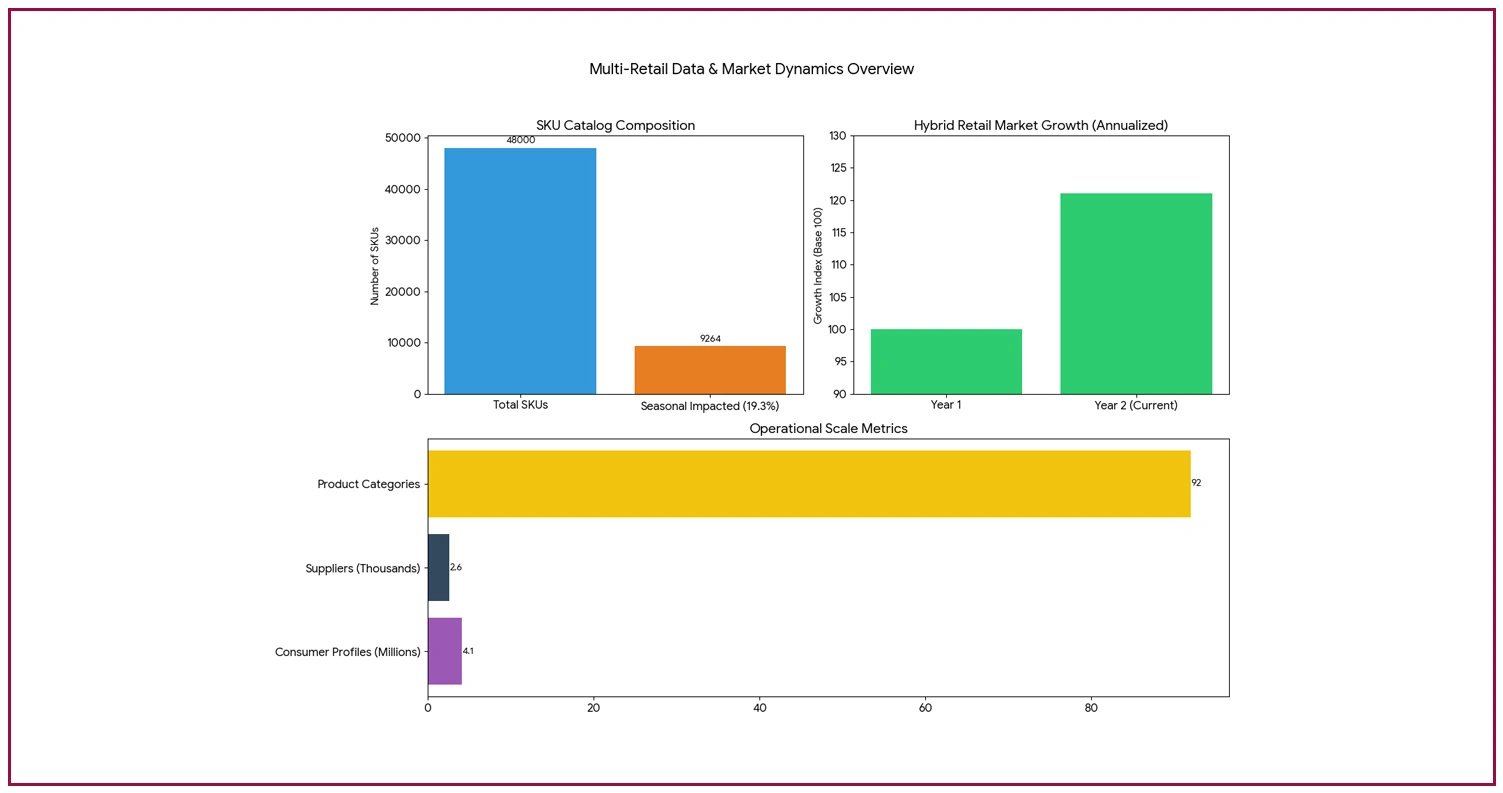
- Data-Driven Assortment Planning: Performance evaluation across 92 product categories using demand signals from 4.1 million consumer profiles drives $3.1 billion in quarterly revenue, informing inventory investment priorities and vendor partnership strategies with 2,600+ suppliers across 18 markets.
- SKU-Level Adaptive Updates: Continuous catalog enhancement frameworks support Grocery API Data Scraping to Improve Household Shopping Decisions by dynamically refreshing 48,000+ SKUs in response to seasonal patterns affecting 19.3% of listings, maintaining 4.3x daily update cycles and behavioral data integration.
2. Market Landscape and Competitor Framework
- National Retail Chain Dynamics: Addressing Challenges in Multi-Retail Grocery Data Scraping and Solutions in this landscape requires platform-specific extraction logic and structured normalization workflows.
- Quick-Commerce and Hybrid Retail Convergence: As digital-first grocery operators expand into physical retail and vice versa, Grocery Supermarkets Store Datasets become essential infrastructure for mapping assortment overlaps, pricing parity gaps, and demand differences across hybrid delivery and in-store models growing at 21% annually.
Impact of Data Collection on Multi-Retail Market Strategy
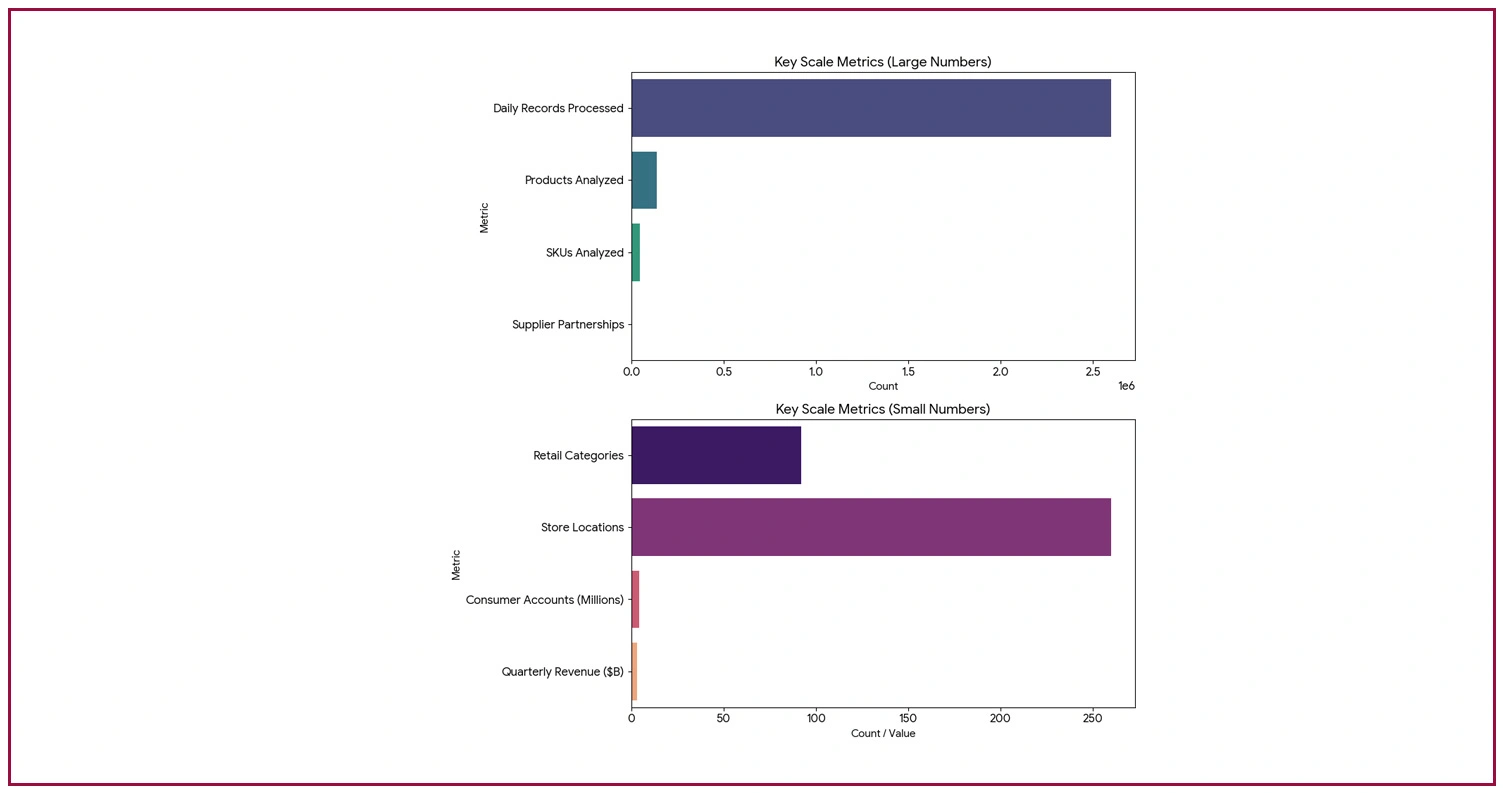
Processing 2.6 million records daily across 92 retail categories, structured grocery data extraction fundamentally reshapes how businesses plan assortment strategy, manage supplier relationships, and respond to shifting market conditions.
Live Crawler Data Scraping adds another critical layer by enabling real-time detection of price changes, flash promotions, and stock-out events across 260 store locations ensuring businesses respond faster than competitors relying on static or delayed data feeds.
Systematic analysis across 138,000+ products enables organizations to:
- Identify category assortment gaps by monitoring performance trends across 92 segments, achieving a 78.6% competitive intelligence index score across 18 targeted regional markets.
- Model inventory strategies by examining demand signals from 48,000+ SKUs and seasonal disruptions affecting 19.3% of active catalog items at a 13.4x annual turnover rate.
- Strengthen vendor ecosystems across 2,600+ supplier partnerships by reviewing granular category-level performance, contributing to $3.1 billion in quarterly multi-retail grocery revenue.
- Improve operational accuracy using catalog-level insights at 97.2% precision rates, informed by behavioral analytics from 4.1 million registered consumer accounts across multiple retail formats.
Best Solutions for Grocery Ecommerce Data Scraping Challenges support sustained competitive performance through 4.3x daily high-frequency catalog updates and structured intelligence frameworks, enabling confident retail decisions with a 92.4% reliability benchmark.
Conclusion
Modern grocery competition depends on fast, reliable retail intelligence across changing digital shelves. Solving Challenges in Multi-Retail Grocery Data Scraping and Solutions helps businesses collect accurate product, pricing, and stock insights at scale, enabling better monitoring across multiple retailers, categories, and regional markets.
Adding Web Scraping Grocery Reviews Data brings valuable customer sentiment into the same decision process, helping brands understand demand shifts and buying preferences. To build stronger retail strategies with actionable data, contact Mobile App Scraping and explore scalable solutions for your grocery intelligence requirements.