How Seasonal Patterns Influence Comparing Citrus Prices at Coles and Woolworths With 22% Variation Stats?
Introduction
Australia’s citrus market experiences sharp seasonal swings that directly influence retail shelf prices. From winter abundance of oranges to summer scarcity of mandarins, fluctuations in supply chains significantly affect how major retailers adjust pricing strategies. A closer look at Comparing Citrus Prices at Coles and Woolworths reveals price gaps reaching up to 22% during peak and off-peak months.
Retailers frequently update digital listings and in-store pricing based on regional demand shifts. By integrating Grocery App Scraping Services, businesses and analysts can track these pricing changes in real time and identify recurring patterns across states. Seasonal rainfall, export volumes, and consumer buying behavior further shape pricing differences between competitors.
Understanding how citrus prices vary between leading supermarkets enables suppliers, distributors, and analytics firms to forecast trends more accurately. When retailers respond differently to the same supply pressure, even small changes in procurement timing can influence margins and promotional budgets. This blog analyzes these seasonal variations with statistical insights and structured comparisons to highlight actionable pricing intelligence.
Harvest Season Cycles and Their Direct Retail Pricing Impact
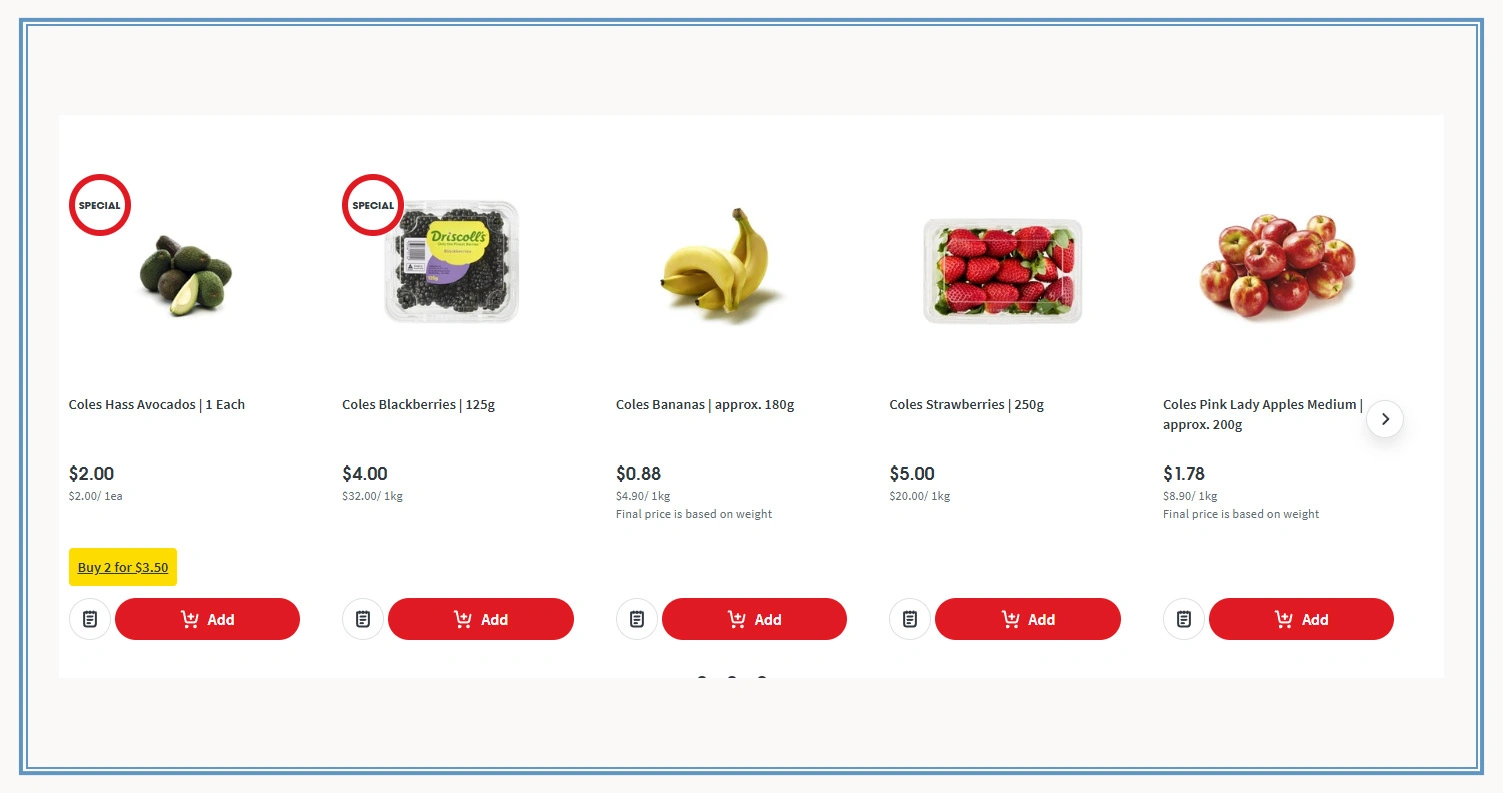
Australia’s citrus harvest calendar plays a defining role in shaping shelf prices across leading supermarket chains. However, retail adjustments differ depending on each chain’s sourcing contracts and inventory turnover speed. Access to structured Grocery Supermarkets Store Datasets allows analysts to compare multi-location pricing behaviors and identify seasonal price compression or expansion trends.
During winter peaks, average orange prices fall nearly 15–18% compared to late summer. Yet retail spreads between chains narrow to single digits due to intense competition. In contrast, summer shortages can trigger price increases of up to 22%, driven by lower orchard yields and higher storage costs. This is where Supermarket Citrus Price Monitoring Australia becomes critical, as it enables data-backed forecasting of volatility windows.
Retailers also adjust pricing in response to perishability risk. Stores with higher foot traffic often maintain tighter margins due to faster turnover. Meanwhile, slower-moving outlets factor spoilage risk into final shelf prices, widening the observed gap.
| Season | Avg Orange Price (AUD/kg) | Avg Lemon Price (AUD/kg) | Observed Gap |
|---|---|---|---|
| Winter Peak | 3.20 | 4.10 | 6% |
| Spring | 3.60 | 4.75 | 12% |
| Summer Low | 4.10 | 5.20 | 22% |
| Autumn | 3.85 | 4.95 | 15% |
Winter months typically bring abundant supply from major growing regions such as New South Wales and Victoria, leading to lower wholesale procurement costs. These structured patterns demonstrate how harvest cycles directly influence short-term and annual pricing variability across major retail chains.
Demand Surges and Promotion Timing Differences
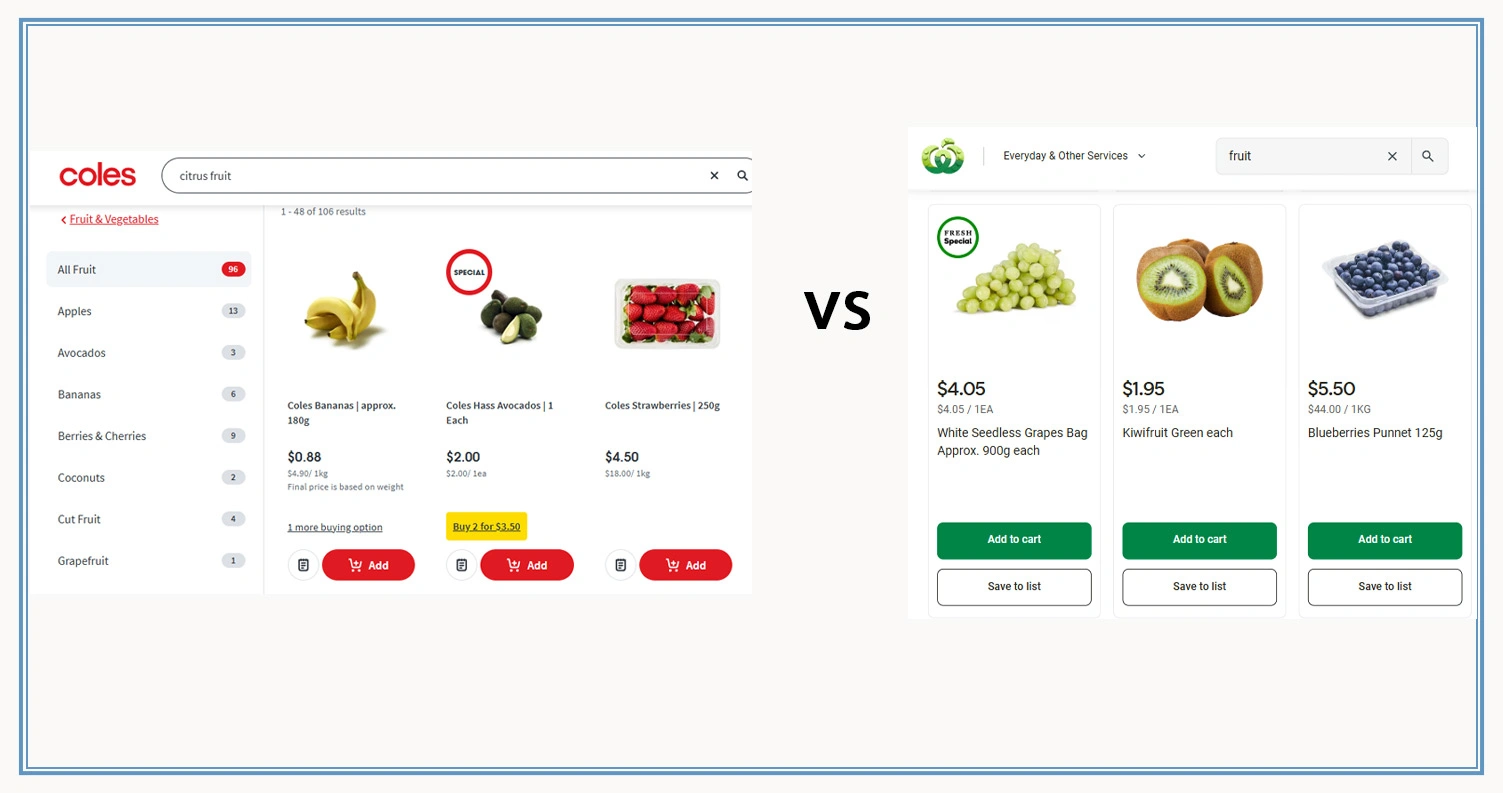
Consumer purchasing behavior significantly impacts citrus pricing trends throughout the year. Seasonal health awareness campaigns, flu outbreaks, and school holiday demand collectively increase citrus sales by 12–15% in winter months. Retailers respond differently to these surges, introducing promotions with varied discount depth and timing strategies.
A detailed Competitive Citrus Pricing Analysis Australia highlights that some chains prioritize early promotional rollouts to capture initial demand spikes, while others delay markdowns to preserve margins. These tactical differences contribute to visible retail price spreads even when procurement costs remain stable. Promotional frequency also varies regionally, influencing urban versus suburban pricing outcomes.
Strategic discounting patterns can amplify perceived price differences. When one retailer reduces lemon prices by 10% ahead of peak demand, the competitor may react days later, temporarily widening the pricing gap. Over multiple promotional cycles, these tactical delays create cumulative seasonal variation.
| Event Period | Avg Discount | Sales Increase | Gap Impact |
|---|---|---|---|
| Winter Health Push | 12% | 14% | 10% |
| Holiday Campaign | 8% | 9% | 15% |
| Back-to-School | 6% | 7% | 18% |
| Pre-Summer Stock | 10% | 11% | 22% |
Insights derived from Retail Pricing Analytics for Fresh Produce help stakeholders measure promotion efficiency while optimizing procurement and campaign timing decisions.
Distribution Costs and Regional Supply Chain Variations
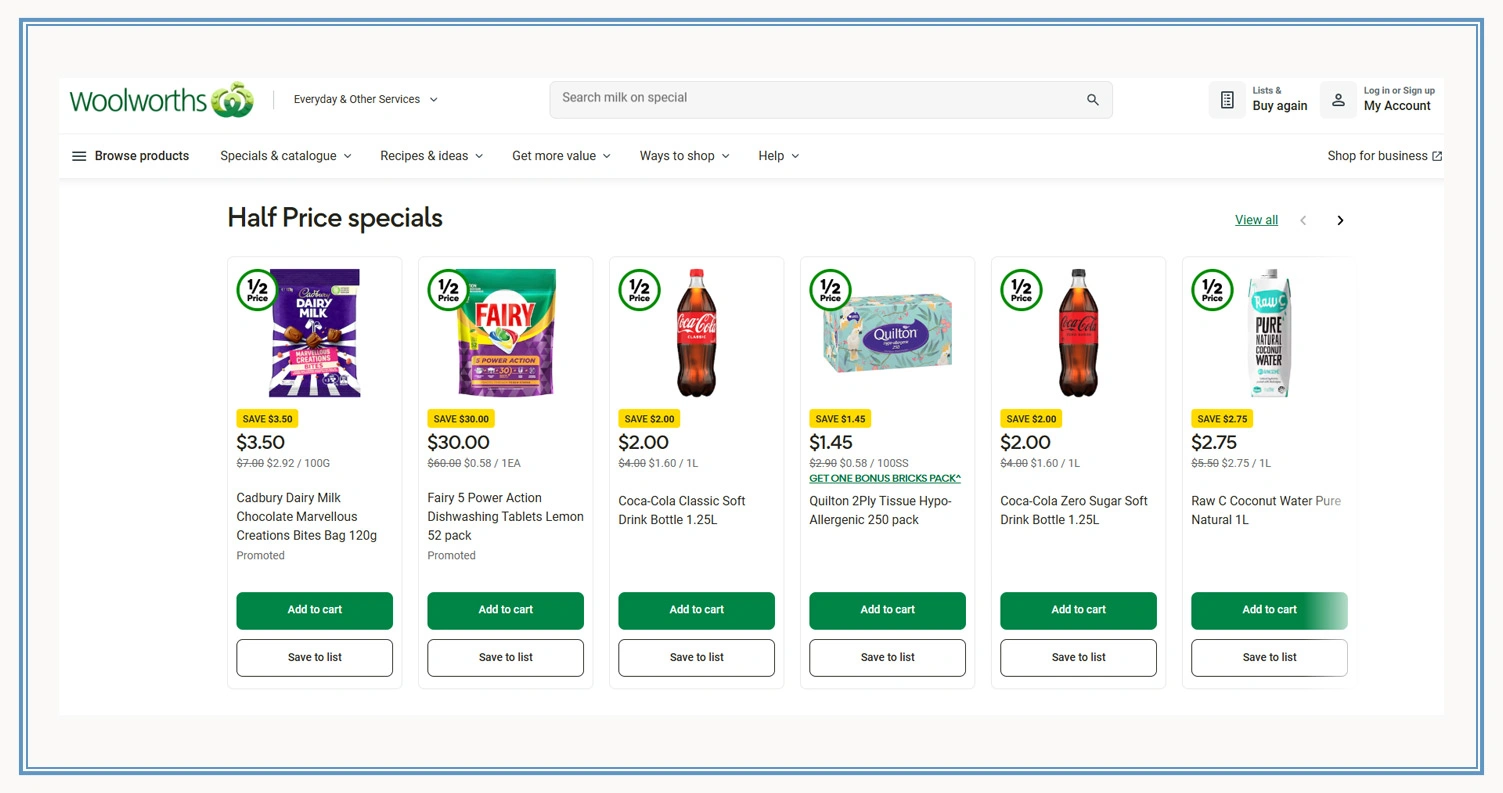
Beyond harvest and demand dynamics, logistics and freight expenses play a major role in shaping citrus retail pricing. Western Australia and remote regional markets frequently experience higher shelf prices due to longer transport routes and fuel fluctuations. Distribution center efficiency and supplier diversification further determine how smoothly new stock reaches stores.
With structured Real-Time Citrus Price Tracking, analysts observe rapid adjustments following weather disruptions or freight cost increases. For example, heavy rainfall in Queensland once led to a 16% lemon price rise within two weeks, particularly in regional outlets dependent on limited suppliers.
Freight inflation between 3–7% can translate into double-digit retail impacts depending on regional demand elasticity. These patterns often serve as the foundation for a Supermarket Pricing Strategy Case Study, helping businesses understand margin adjustments linked to transportation dynamics.
| Region | Freight Increase | Retail Impact | Gap Variation |
|---|---|---|---|
| NSW Metro | 3% | 5% | 8% |
| QLD Regional | 7% | 12% | 19% |
| WA Metro | 6% | 14% | 17% |
| VIC Regional | 5% | 10% | 15% |
Evaluating distribution-driven price shifts provides deeper clarity into seasonal retail variations and regional competitiveness within Australia’s citrus market. Metropolitan branches, supported by diversified sourcing networks, absorbed part of the cost to maintain competitiveness.
How Mobile App Scraping Can Help You?
Seasonal retail volatility makes price monitoring essential for suppliers and analytics firms. When analyzing Comparing Citrus Prices at Coles and Woolworths, automated mobile data extraction offers consistent visibility into fluctuating price points across regions.
We allow businesses to:
- Track daily citrus price changes across multiple store locations.
- Monitor promotional banners and discount timing.
- Compare regional product availability instantly.
- Identify sudden price spikes due to supply disruptions.
- Measure margin adjustments during off-peak seasons.
- Detects pricing consistency across metropolitan and regional outlets.
These structured insights enable predictive modeling and strategic procurement planning. Businesses applying advanced analytics supported by Supermarket Citrus Price Monitoring Australia gain clearer visibility into retail price fluctuations without manual tracking complexities.
Conclusion
Seasonal harvest cycles, logistics variations, and promotional timing collectively explain why Comparing Citrus Prices at Coles and Woolworths can show fluctuations reaching 22% annually. Data-backed insights reveal that winter stability contrasts sharply with summer volatility, influencing procurement and retail strategies.
Consistent monitoring combined with Competitive Citrus Pricing Analysis Australia supports better forecasting accuracy and smarter inventory planning. If your organization aims to strengthen retail intelligence with real-time product analytics, connect with Mobile App Scraping today to transform seasonal price tracking into measurable business results.