How FMCG Growth Strategy Using Web Scraping Drives 42% Faster Market Expansion for Spice Brands?
Introduction
India’s spice market is evolving at an unprecedented pace, fueled by digital grocery platforms, quick commerce models, and hyperlocal delivery ecosystems. For spice brands operating in a competitive FMCG landscape, traditional distribution analytics are no longer sufficient. Market leaders are now relying on real-time digital shelf intelligence to optimize pricing, product positioning, and assortment strategies across cities and retail formats.
With the rise of app-based retailing, understanding price fluctuations, discount cycles, stock availability, and customer preferences has become critical. This is where Grocery Delivery App Data Scraping Services play a transformative role. By collecting structured data from grocery apps, brands can evaluate regional demand patterns, monitor competitor actions, and refine expansion decisions.
An advanced FMCG Growth Strategy Using Web Scraping enables spice manufacturers to identify high-performing SKUs, detect underserved micro-markets, and adapt to consumer behavior shifts 42% faster than traditional survey-driven models. As competition intensifies in online grocery platforms, the ability to analyze retail availability patterns and pricing movements determines how quickly a spice brand can penetrate new territories and strengthen its category leadership.
Overcoming Regional Pricing Variations Across Grocery Platforms
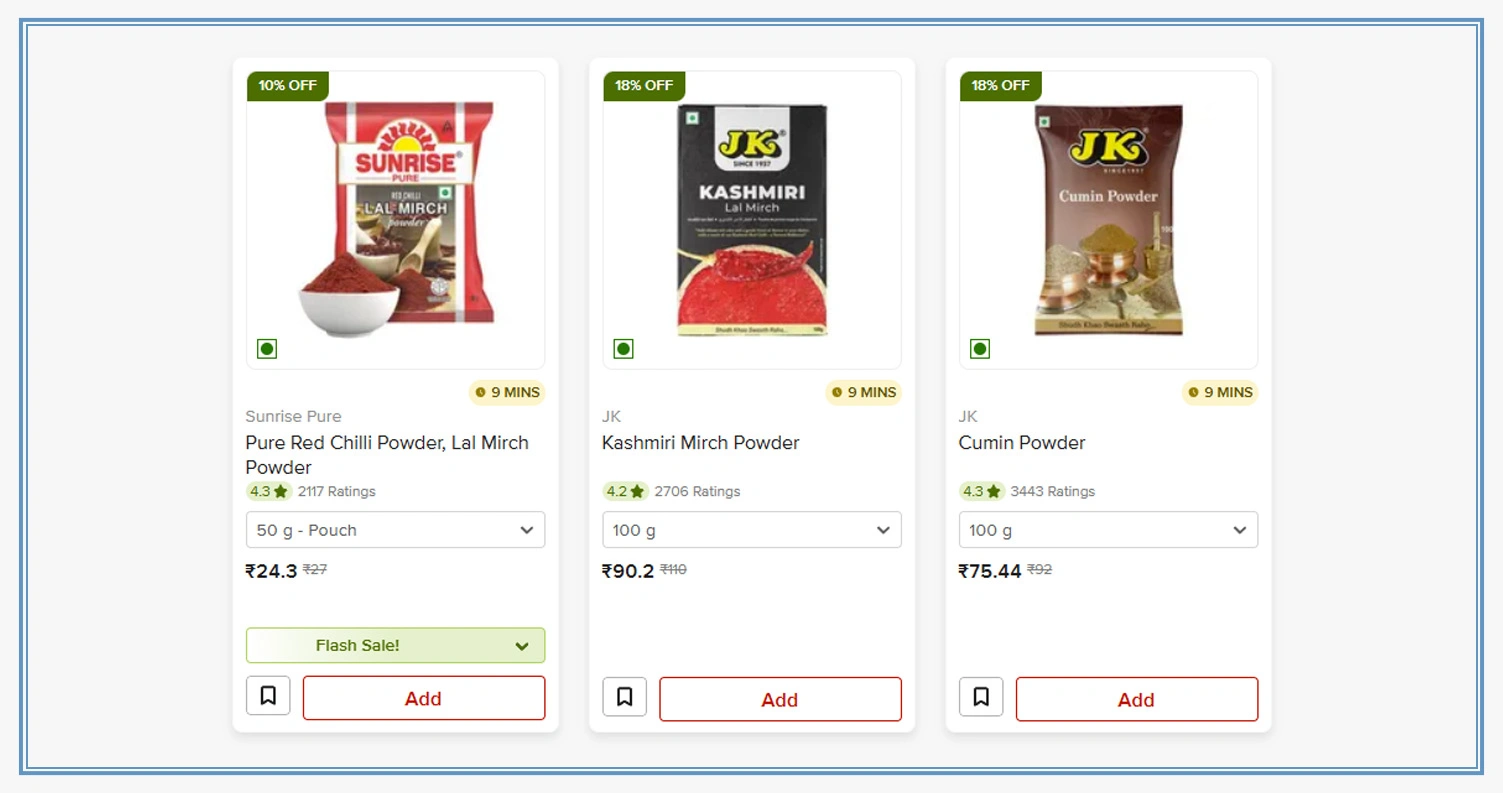
Spice pricing often varies due to factors like seasonal crop yields, import tariffs, and promotional campaigns. Brands that rely solely on manual pricing updates may face inconsistencies in margin and competitive positioning. Research indicates that prices for the same SKU can differ by 8–15% across different online and offline grocery channels in major Indian cities.
By implementing Spices Price Tracking for FMCG Growth, businesses can maintain continuous awareness of competitor prices and dynamic discount strategies. This data allows for strategic price adjustments that protect margins without losing market share. Complementing this with FMCG Competitor Price Tracking enables comparative analysis on pack sizes, promotional bundles, and limited-time offers.
In addition, leveraging Beelivery Grocery Delivery App Scraping Services helps brands track location-specific flash sales and promotional spikes in near real-time. These insights empower operations teams to respond to competitor moves quickly and mitigate revenue losses.
Example Pricing Insights Table:
| City | Avg Competitor Price (100g) | Brand Price Gap | Discount Frequency | Margin Impact |
|---|---|---|---|---|
| Mumbai | ₹48 | -5% | High | Moderate |
| Delhi | ₹45 | +2% | Medium | Stable |
| Bangalore | ₹50 | -8% | Very High | Low |
| Ahmedabad | ₹44 | +4% | Low | High |
Structured monitoring across platforms provides actionable insights for pricing decisions, helping brands maintain competitiveness while driving consistent growth across regional markets.
Identifying Consumer Demand Patterns Across Different Regions

Understanding regional consumer preferences is critical for spice brands to optimize distribution and stocking strategies. Culinary traditions vary widely across India, with garam masala dominating Northern households, sambar powder preferred in the South, and turmeric being essential in Western cuisines. Digital marketplaces provide rich datasets through transactional trends, product reviews, and search analytics that reveal these micro-market patterns.
Through Online Grocery Price Monitoring, companies can analyze correlations between pricing and sales velocity, identifying optimal price points that encourage higher purchase frequency. Tracking customer sentiment and ratings enables brands to refine SKU selection, identify emerging favorites, and detect products at risk of low adoption.
In addition, using Grocery Data Scraping Services allows businesses to collect SKU-level insights from e-commerce platforms, including search popularity, review volume, and stock availability. This information supports predictive restocking strategies and ensures the most demanded variants are always available across regions.
Below is a sample demand evaluation table:
| Region | Top-Selling SKU | Avg Rating | Stock-Out Rate | Price Sensitivity |
|---|---|---|---|---|
| North India | Garam Masala 200g | 4.3 | 6% | Medium |
| South India | Sambar Powder 250g | 4.5 | 3% | Low |
| West India | Turmeric 100g | 4.1 | 9% | High |
| East India | Mustard Powder 150g | 4.2 | 7% | Medium |
Analyzing these consumer signals allows brands to adjust inventory, regional SKU assortment, and marketing campaigns. Brands adopting this approach report faster adoption of new products and improved alignment with consumer tastes across multiple territories.
Eliminating Retail Blind Spots to Enhance SKU Availability
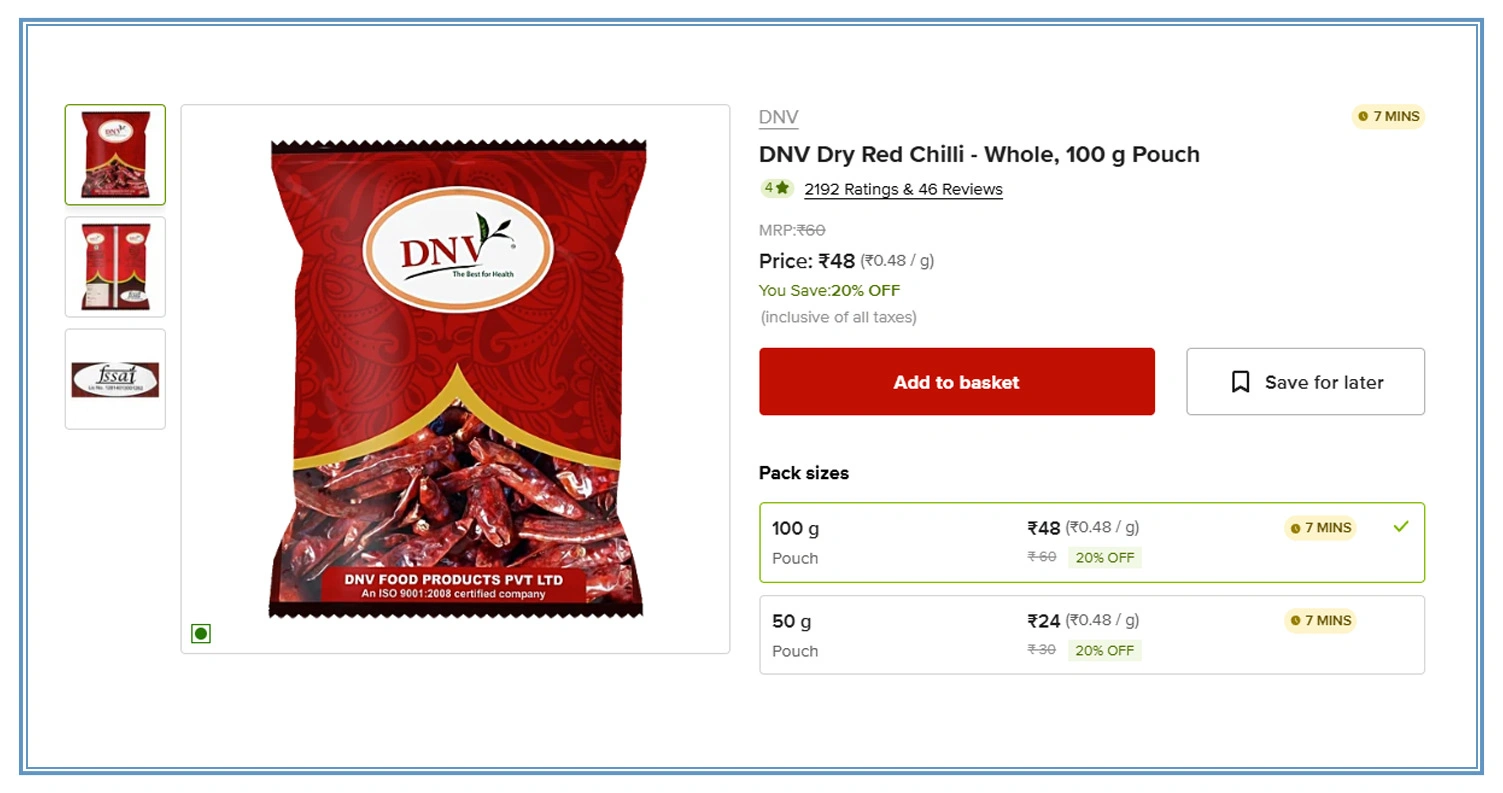
Inconsistent SKU availability across retail channels is a major challenge for spice brands. Even products with strong demand lose potential revenue when stock-outs occur, reducing customer trust and loyalty. Research highlights that approximately 21% of possible sales can be lost due to temporary unavailability on digital grocery platforms.
Leveraging Supermarket Spices Data Extraction enables brands to monitor SKU presence across online and offline retailers, identifying gaps in distribution instantly. By tracking stock-outs, operations teams can prioritize restocking and prevent extended unavailability, ensuring high-demand SKUs remain accessible during peak sales periods.
Brands can also monitor trends in SKU coverage and replenishment across multiple platforms to align supply chain strategies effectively. These insights help avoid overstocking low-demand variants and ensure that popular SKUs are always visible on digital shelves.
Availability Diagnostics Table:
| Platform | SKU Coverage (%) | Avg Stock-Out Duration | Lost Sales Estimate |
|---|---|---|---|
| App A | 92% | 1.5 Days | Moderate |
| App B | 85% | 2.2 Days | High |
| App C | 95% | 1 Day | Low |
| Local Chain | 78% | 3 Days | Very High |
By maintaining complete visibility over SKU availability and platform coverage, brands can reduce blind spots and improve overall category performance. Retail insights enable strategic expansion, ensuring the right products reach the right markets consistently and efficiently.
How Mobile App Scraping Can Help You?
Digital retail ecosystems generate massive volumes of structured and unstructured data. When implemented strategically, insights derived from FMCG Growth Strategy Using Web Scraping empower spice brands to streamline pricing, demand forecasting, and retail expansion decisions across multiple regions.
Mobile app intelligence allows businesses to:
- Track daily citrus price changes across multiple store locations.
- Monitor promotional banners and discount timing.
- Compare regional product availability instantly.
- Identify sudden price spikes due to supply disruptions.
- Measure margin adjustments during off-peak seasons.
- Detects pricing consistency across metropolitan and regional outlets.
For companies aiming to expand into new territories, aligning digital shelf data with distribution planning becomes essential. Implementing Online Grocery Price Monitoring ensures pricing accuracy and competitive consistency across platforms while supporting long-term growth stability.
Conclusion
Spice brands seeking scalable expansion must integrate data-driven decision systems into their operations. A modern FMCG Growth Strategy Using Web Scraping allows businesses to optimize pricing, forecast demand accurately, and eliminate availability inefficiencies that restrict category growth.
By strengthening distribution intelligence and improving competitive transparency through Spices Price Tracking for FMCG Growth, brands can accelerate regional penetration and increase profitability. Ready to transform your spice brand’s expansion strategy? Connect with Mobile App Scraping today and turn retail data into measurable growth.