How Can Food Delivery API for Real-Time Restaurant Data Transform Smart Restaurant Platforms?
Introduction
Restaurant platforms increasingly depend on timely information to improve menu visibility, pricing decisions, order management, and customer experiences. A Food Delivery API for Real-Time Restaurant Data connects restaurant information with digital platforms, helping businesses receive structured updates without relying entirely on manual data collection.
Modern food businesses operate across multiple delivery applications where menus, prices, availability, ratings, promotions, and delivery conditions can change throughout the day. Food Delivery App Scraping Services can support this process by collecting restaurant information from different sources and preparing it for analysis, comparison, and platform integration.
When this information becomes available through reliable APIs, restaurant technology providers can build smarter dashboards, recommendation systems, ordering interfaces, and competitive intelligence tools. Real-time data can also help platforms identify changing customer preferences, monitor competitors, and maintain more accurate restaurant information across their systems.
Building Smarter Platforms Through Continuous Restaurant Intelligence
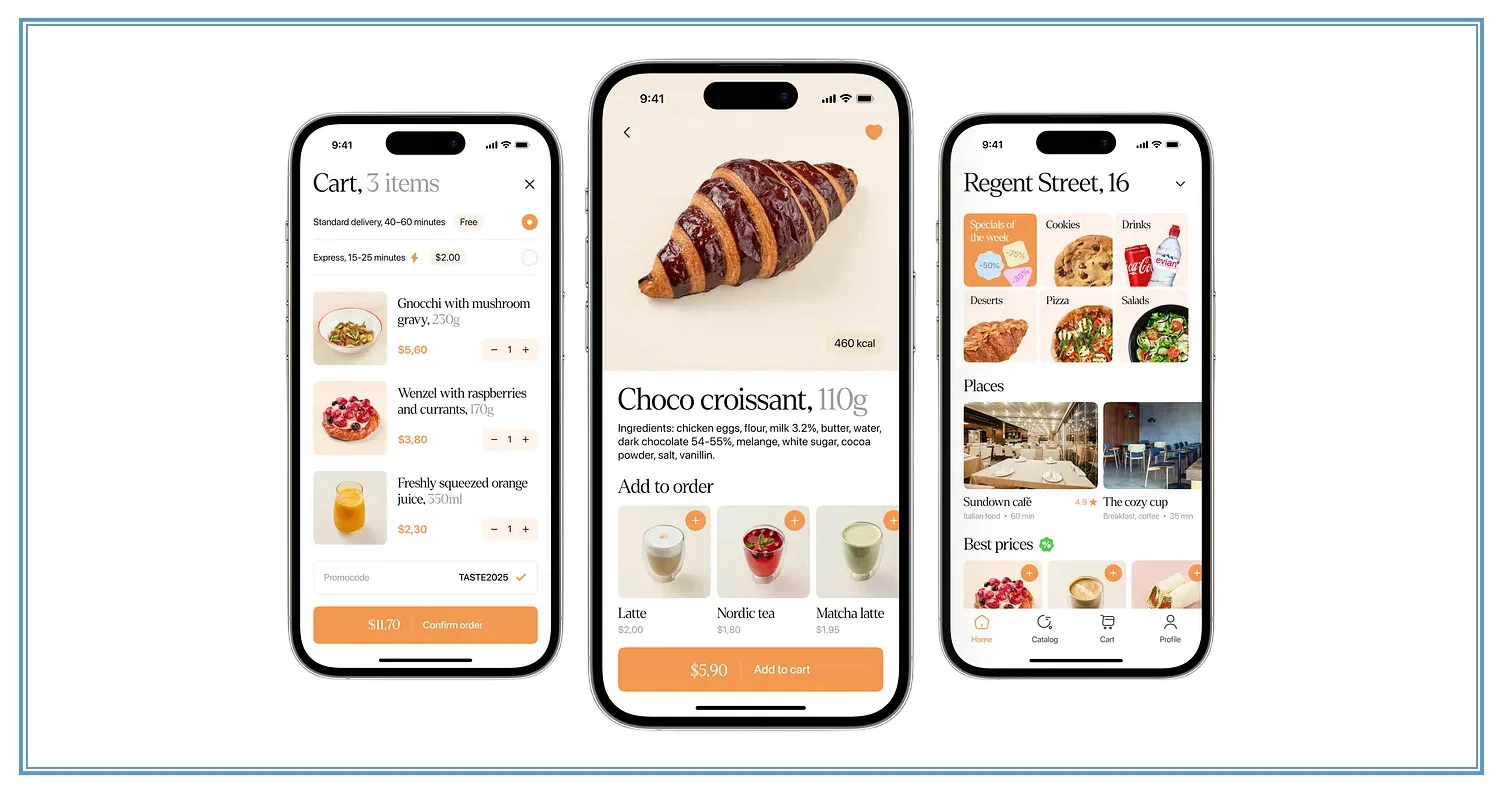
Restaurant platforms need continuously refreshed information to provide dependable digital experiences. Menus, prices, restaurant availability, ratings, promotions, and delivery conditions can change several times throughout a day. Automated collection helps platforms reduce outdated records and maintain information that better reflects current restaurant operations and customer-facing conditions.
Historical information is equally important because businesses need more than individual snapshots when evaluating market movements. Food Delivery Datasets can provide organized records that support trend analysis, helping businesses compare restaurant pricing, identify frequently changing menu items, evaluate promotional activity, and understand how restaurant availability differs across locations and time periods.
A structured data infrastructure can also improve several platform functions simultaneously. Instead of maintaining separate manual records for search, analytics, recommendations, and reporting, businesses can establish standardized information that flows into different systems. This approach supports faster processing while helping technology teams maintain consistency across large restaurant databases.
| Data Area | Platform Application |
|---|---|
| Menu information | Listing management |
| Restaurant pricing | Price comparison |
| Availability | Ordering decisions |
| Ratings | Restaurant evaluation |
| Promotions | Offer monitoring |
Important platform capabilities can include:
- Maintaining updated restaurant profiles
- Comparing changing menu information
- Tracking restaurant availability
- Supporting recommendation features
- Creating historical market records
Strengthening Competitive Insights With Connected Restaurant Data
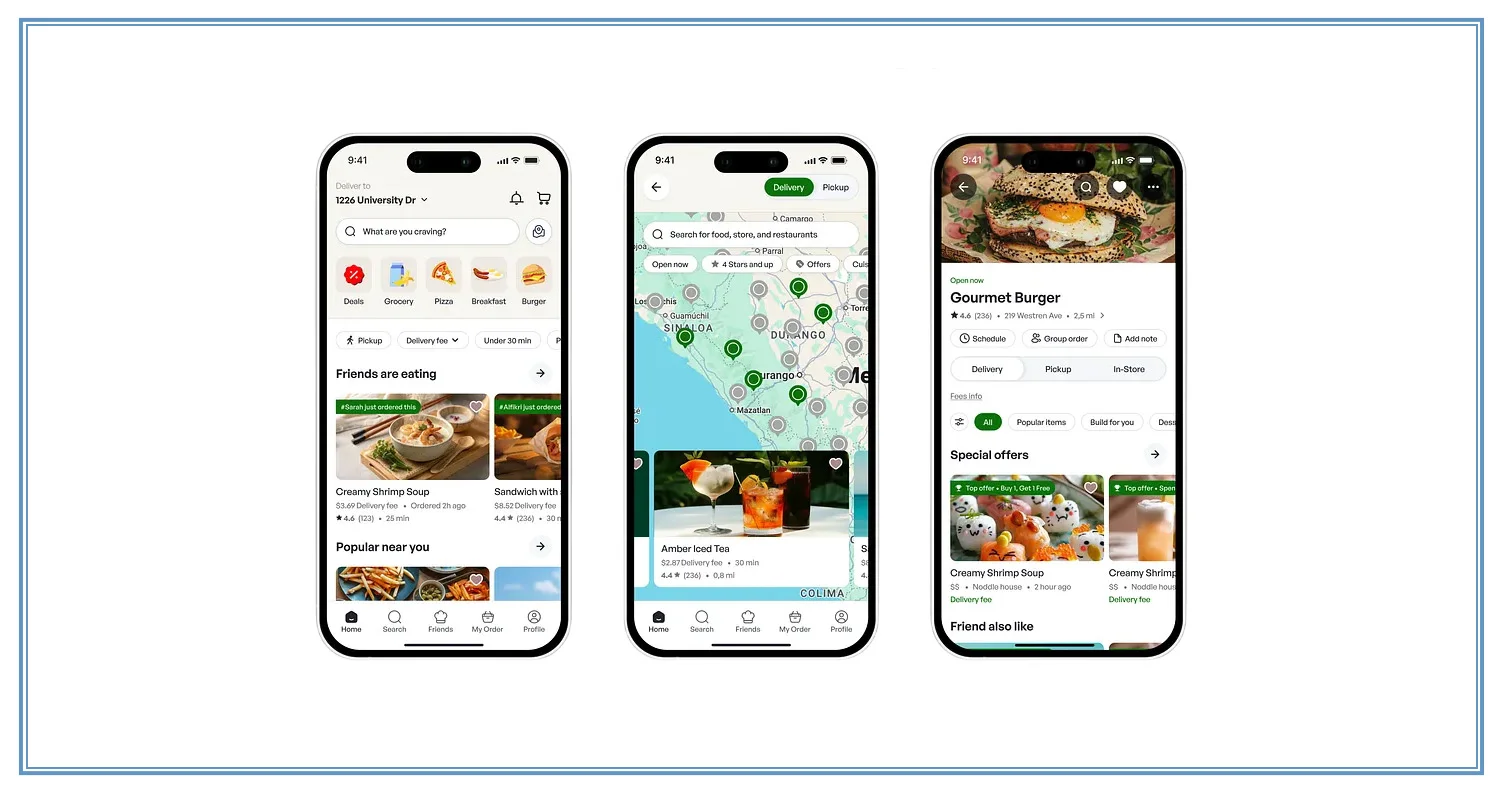
Restaurant businesses operate within highly competitive digital environments where pricing, menus, promotions, ratings, and delivery conditions influence customer choices. Consistent information from multiple platforms allows technology providers to evaluate these factors together rather than examining individual restaurant records separately.
Businesses can use Food Delivery Data Collection Services for Restaurants to gather structured restaurant information at scheduled intervals. Such collections can support competitive benchmarking, market research, pricing analysis, promotion monitoring, and location-level comparisons while reducing repetitive manual monitoring across multiple delivery channels.
For larger projects, Web Scraping Services can complement automated data workflows by supporting broader source coverage and scheduled extraction. This can help organizations process substantial volumes of restaurant information while maintaining consistent structures for dashboards, reporting tools, and business intelligence systems.
| Intelligence Area | Business Application |
|---|---|
| Menu pricing | Competitive benchmarking |
| Promotions | Offer comparison |
| Ratings | Quality assessment |
| Availability | Market coverage |
| Delivery charges | Cost analysis |
Key intelligence activities include:
- Comparing restaurant prices
- Monitoring promotional changes
- Evaluating ratings trends
- Assessing location-level availability
- Supporting competitive reporting
Broader data coverage becomes particularly useful when restaurant information varies by location, platform, time, or customer-facing promotion. A standardized collection workflow can organize these differences into comparable fields, allowing analysts and restaurant operators to identify patterns and make more informed operational decisions.
Scaling Restaurant Technology With Reliable Data Infrastructure
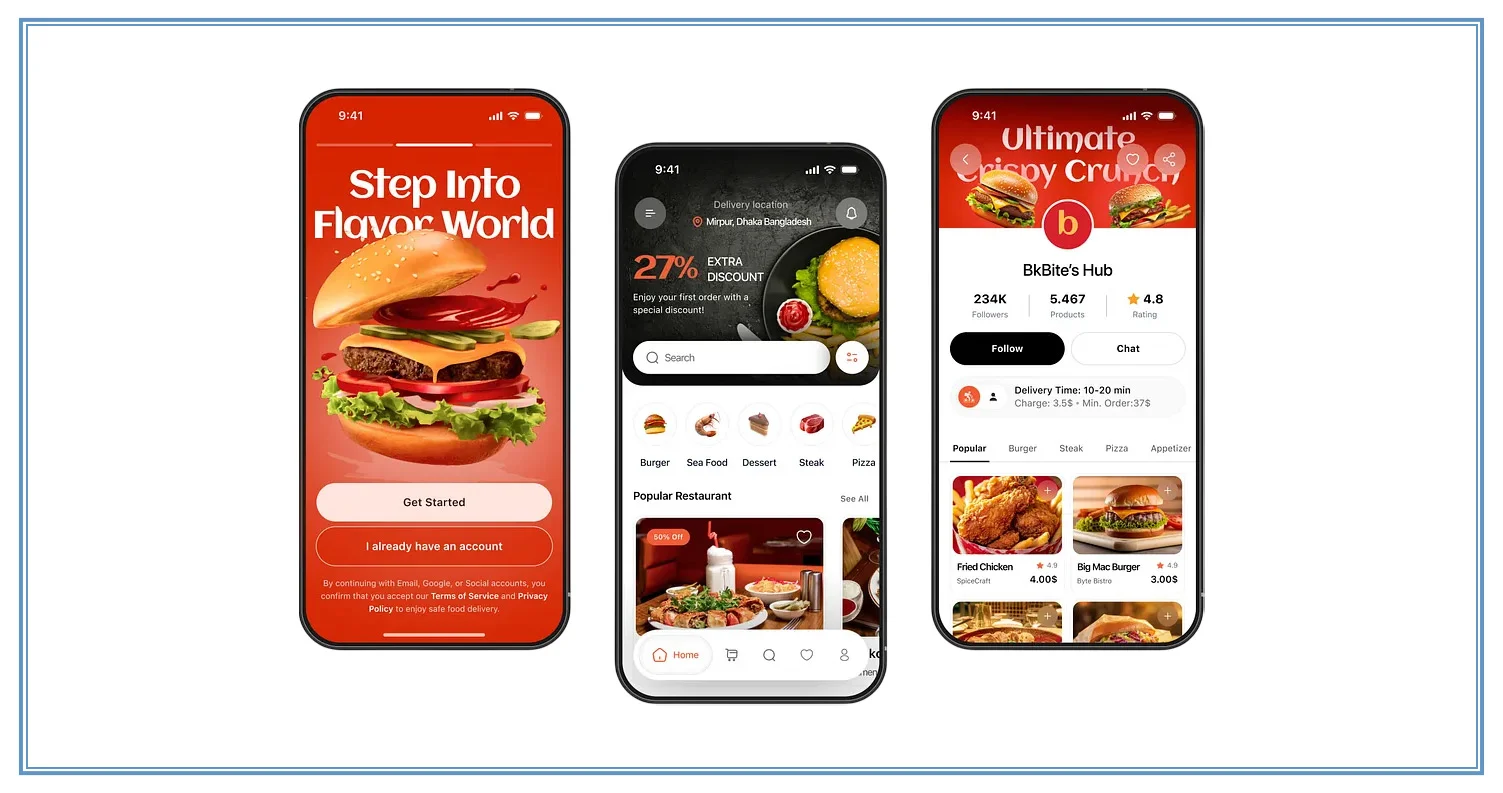
Smart restaurant platforms require infrastructure capable of handling frequent updates without creating unnecessary operational complexity. Information must move efficiently from collection sources into analytics platforms, dashboards, search systems, recommendation engines, and other applications that depend on current restaurant information.
Structured extraction can capture relevant information and prepare it for downstream processing, allowing businesses to create consistent records across restaurants, locations, categories, and delivery platforms. A Mobile App Scraper can support data collection from application-based restaurant ecosystems where important details may change frequently.
Scalable infrastructure becomes increasingly important as the number of restaurants, locations, and data attributes grows. Automated workflows can help process larger volumes while reducing repetitive tasks for technical teams. Standardized fields also make it easier to integrate information with internal databases and analytical environments.
| Platform Function | Data Contribution |
|---|---|
| Analytics dashboards | Market insights |
| Recommendation engines | Restaurant suggestions |
| Pricing systems | Competitive signals |
| Search platforms | Updated listings |
| Reporting tools | Historical analysis |
Scalable capabilities can include:
- Processing frequent restaurant updates
- Standardizing information across sources
- Supporting application integrations
- Organizing location-based records
- Feeding analytics and reporting systems
Real-time processing can support operational decisions by providing timely signals around pricing, availability, menu changes, and customer-facing promotions. Businesses can use these signals to improve search experiences, develop recommendation systems, evaluate competitors, and create reporting environments that reflect changing market conditions.
How Mobile App Scraping Can Help You?
Building a smart restaurant platform requires dependable data covering menus, pricing, ratings, availability, promotions, and delivery information. A Food Delivery API for Real-Time Restaurant Data can turn collected information into structured feeds that support applications, dashboards, analytics platforms, and restaurant management systems.
Mobile application data collection can help businesses maintain broader market visibility while reducing repetitive manual monitoring. It can also support historical records that reveal pricing movements, menu changes, restaurant expansion, and customer response patterns.
Key ways we can support restaurant platforms include:
- Collecting restaurant information across multiple delivery applications
- Tracking menu changes across selected locations
- Monitoring restaurant pricing and promotional movements
- Capturing ratings and customer review information
- Comparing delivery fees and availability patterns
- Creating structured datasets for analytics and reporting
With appropriate automation, collected information can be standardized and delivered into business workflows. Food Delivery APIs for Restaurant Web Scraping can further help connect structured restaurant information with applications requiring frequent data updates.
Conclusion
Smart restaurant platforms depend on accurate information arriving at the right time. A Food Delivery API for Real-Time Restaurant Data can provide structured access to changing restaurant information, supporting menu management, pricing intelligence, competitive analysis, and customer-focused platform features.
For businesses managing large restaurant ecosystems, reliable data pipelines can improve operational visibility and reduce manual monitoring requirements. Food Delivery Data Collection Services for Restaurants can complement these systems by supporting broader data coverage and structured collection. Contact Mobile App Scraping today to discuss your restaurant data requirements.