How Can the GrabFood Singapore Food Price Trends Report Explain a 22% Surge in Singapore Delivery Costs?
Introduction
Singapore’s online food delivery market has experienced a dramatic price shift over the past year. Consumers who regularly order meals through apps have noticed rising menu prices, delivery charges, and service fees. Industry estimates show that the average order cost has increased by nearly 22% across several cuisine categories, including Asian fusion, fast food, and premium restaurant meals.
Recent studies based on the GrabFood Singapore Food Price Trends Report highlight how delivery platforms have reshaped pricing structures. Restaurants are adjusting menu prices to offset commission fees, packaging expenses, and rising ingredient costs. At the same time, app platforms are introducing surge-based delivery charges that vary by demand, location, and order size.
Data-driven research methods such as Web Scraping GrabFood Menu Price Trends allow analysts to track menu price fluctuations across hundreds of restaurants in real time. These insights help identify patterns such as price clustering in popular cuisine segments or dynamic pricing during peak hours.
Examining Key Factors Behind Rising Delivery Service Costs
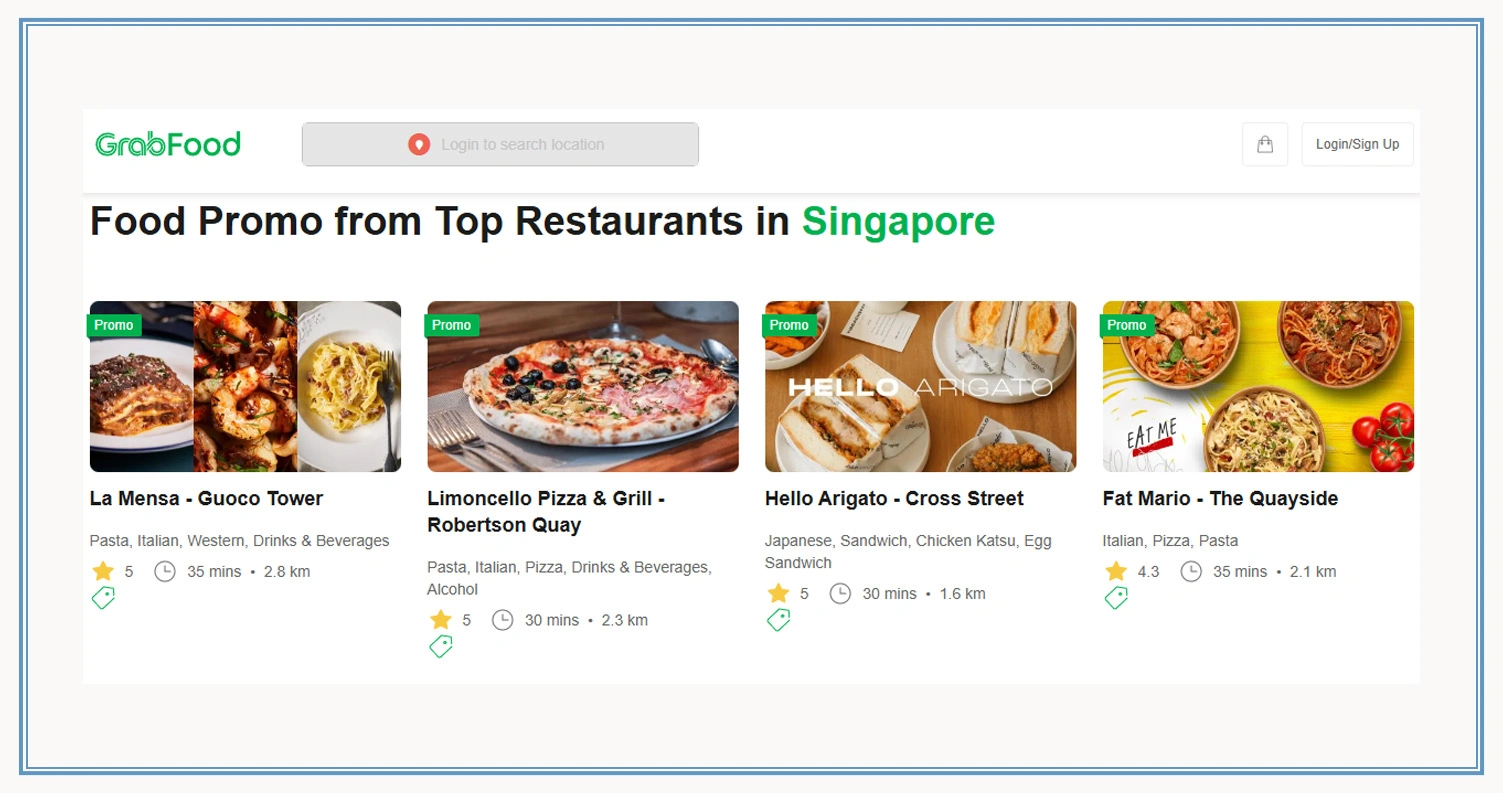
Singapore’s food delivery ecosystem has undergone noticeable cost adjustments as platforms balance logistics expenses, restaurant commissions, and customer demand. Delivery platforms now operate under higher operational pressures, including rider incentives, fuel price increases, and infrastructure costs. Detailed studies using GrabFood Price Analysis Singapore reveal that restaurants increasingly adjust menu prices on delivery apps to maintain profitability.
Since delivery platforms charge commissions between 20–30%, many restaurants add a markup to their listed prices. This change helps cover service charges, packaging costs, and marketing exposure provided by delivery platforms. Advanced market monitoring methods like Food Delivery App Data Scraping allow analysts to continuously track price fluctuations across hundreds of restaurant listings.
Furthermore, examining large-scale Singapore Food Delivery Price Data helps analysts detect price clusters across different cuisine categories such as Asian, Western, and fast-food restaurants. Patterns within these datasets indicate that premium restaurants experience the largest price adjustments due to higher operational costs.
Average Delivery Cost Increase by Cuisine Category:
| Cuisine Category | Avg Price Increase | Delivery Fee Growth |
|---|---|---|
| Fast Food | 9% | 12% |
| Asian Cuisine | 14% | 17% |
| Western Dining | 18% | 20% |
| Premium Restaurants | 21% | 24% |
Comprehensive research using GrabFood Data Analysis Singapore highlights that pricing behavior also depends on restaurant brand positioning and location demand. These insights help businesses evaluate how restaurant pricing strategies evolve within Singapore’s growing food delivery ecosystem.
Evaluating Restaurant Menu Adjustments Across Delivery Platforms
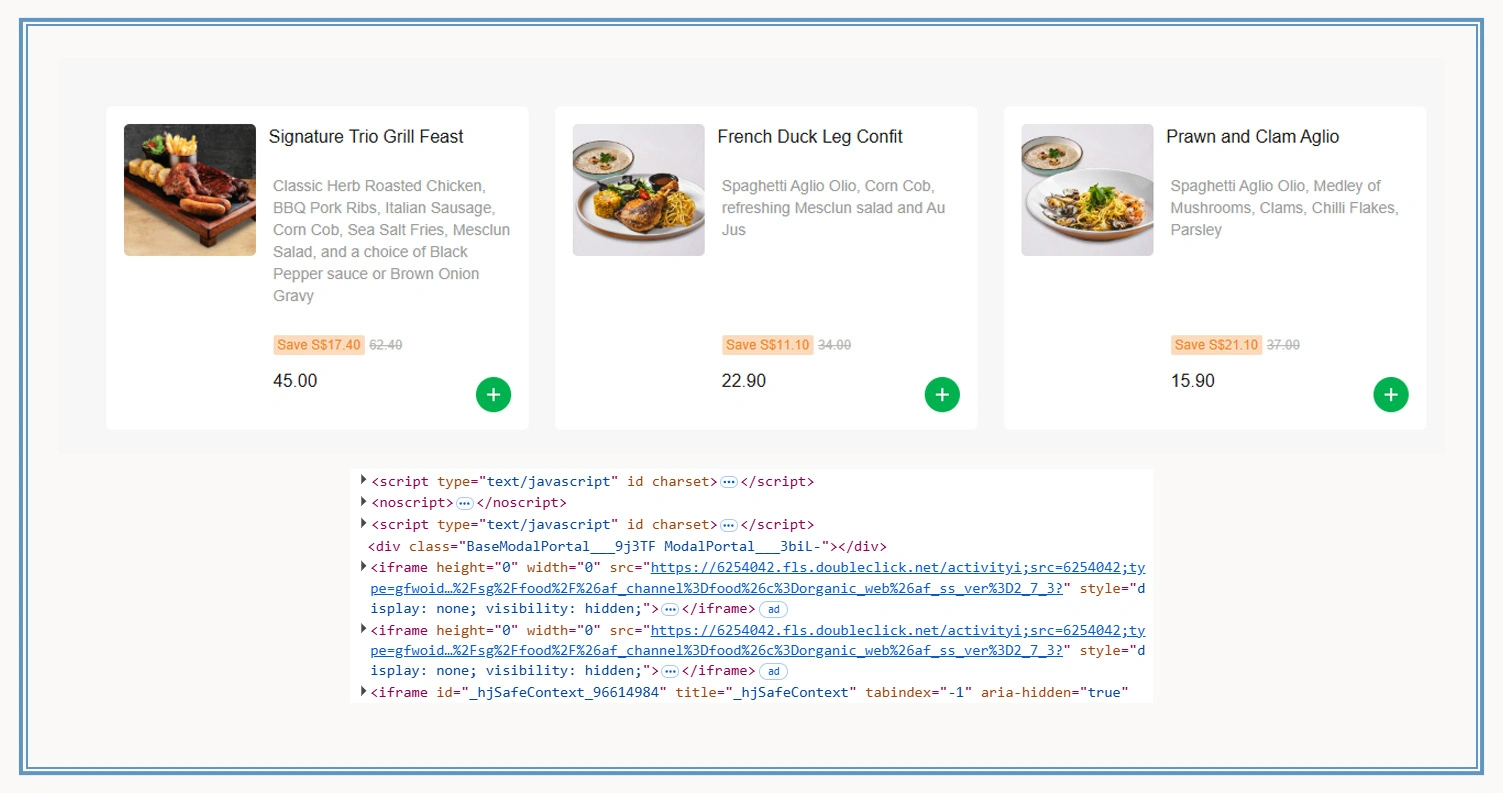
Restaurants operating on online delivery platforms in Singapore frequently revise their menu pricing structures to balance operational costs and platform commissions. Over the past few years, the difference between dine-in menu prices and delivery platform prices has widened significantly. One major reason is the commission charged by delivery platforms.
Restaurants often incorporate these platform fees into menu pricing to maintain profitability while still reaching a broader customer base. As a result, customers ordering through apps frequently encounter slightly higher prices compared to dining in. Market researchers often Scrape Food API Data to collect structured pricing datasets from online food delivery platforms.
Insights derived from GrabFood Restaurant Pricing Data reveal that restaurants commonly implement delivery-specific pricing structures, particularly during high-demand hours or promotional periods. These pricing patterns vary across restaurant segments including fast food, casual dining, and premium restaurants.
Menu Price Difference Between Dine-In and Delivery:
| Restaurant Type | Avg Dine-In Price | Avg Delivery Price | Difference |
|---|---|---|---|
| Casual Dining | $14.20 | $16.80 | +18% |
| Fast Food | $8.90 | $10.10 | +13% |
| Premium Restaurants | $24.50 | $29.20 | +19% |
In addition, studying Singapore Online Food Delivery Prices provides a broader understanding of how delivery platforms influence restaurant pricing behavior through service fees, platform promotions, and delivery surcharges.
Regional Demand Patterns Influencing Delivery Price Variations
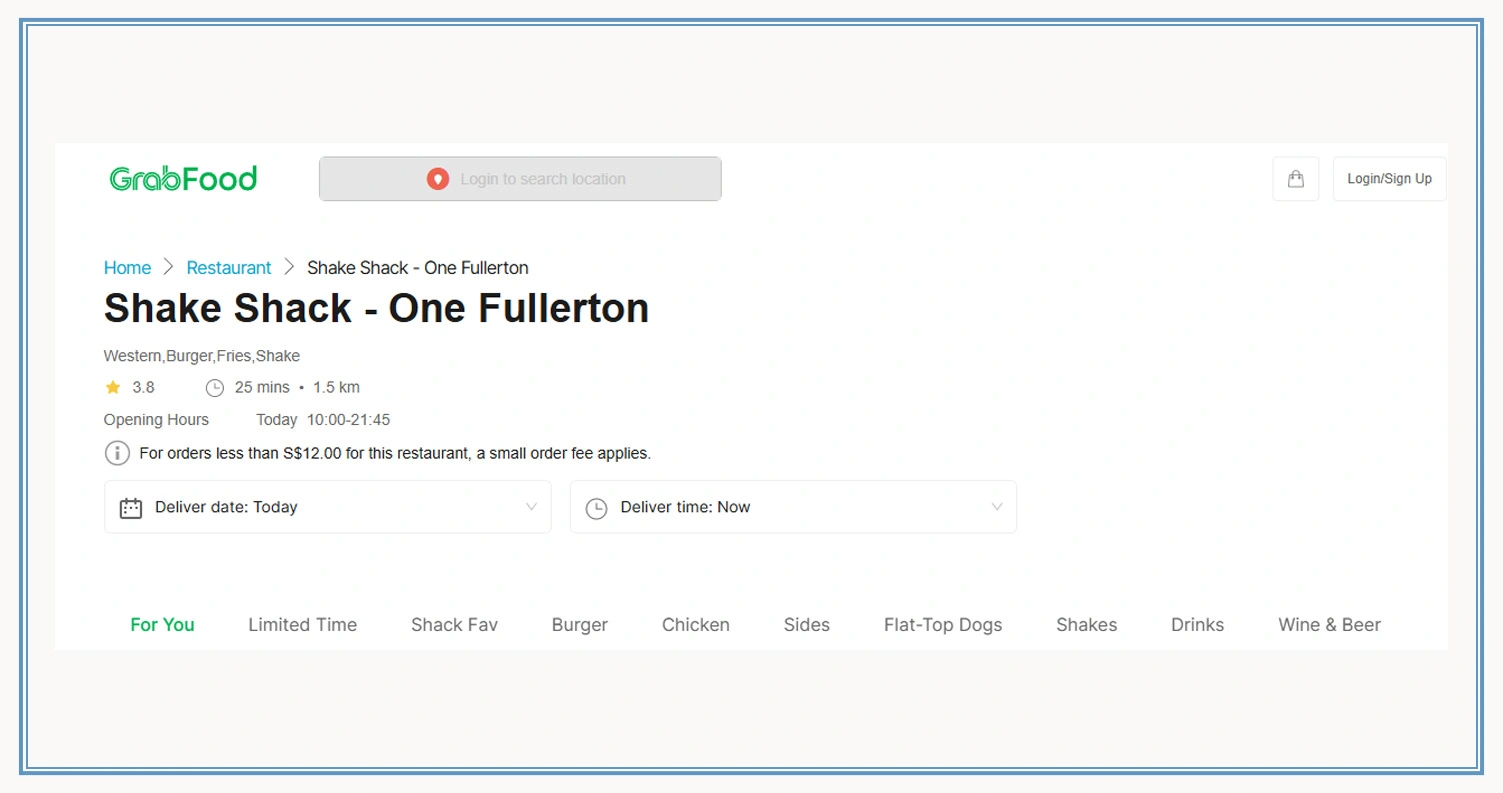
Delivery pricing across Singapore varies significantly depending on location demand, restaurant density, and courier availability. Certain districts consistently experience higher delivery costs due to greater order volumes and peak-hour demand surges. Researchers often conduct GrabFood Delivery Price Comparison Singapore to understand how pricing structures differ between central business districts and residential areas.
High-demand locations such as Orchard and Marina Bay typically show higher delivery charges compared to suburban districts. Analyzing broader Singapore Food Delivery Pricing Trends shows that demand fluctuations during lunch and dinner hours significantly impact delivery fees. Commercial districts frequently experience surge-based pricing because of high office worker demand during peak meal times.
Data scientists also collect large datasets through GrabFood App Data Scraping Singapore to monitor pricing updates across multiple restaurants and delivery zones. This technique enables businesses to track location-based price variations and identify regional demand patterns.
Average Delivery Price by Singapore Region:
| Region | Avg Order Price | Avg Delivery Fee |
|---|---|---|
| Central Business District | $21.50 | $5.20 |
| Orchard | $20.80 | $4.90 |
| Tampines | $18.40 | $3.90 |
| Jurong | $17.90 | $3.70 |
Understanding these regional differences allows food businesses and analysts to evaluate market demand while planning delivery pricing strategies more effectively across Singapore.
How Mobile App Scraping Can Help You?
Understanding delivery platform pricing requires continuous monitoring of menu prices, delivery charges, and restaurant strategies. Advanced data solutions powered by the GrabFood Singapore Food Price Trends Report enable businesses to evaluate platform pricing trends, restaurant markups, and demand fluctuations across multiple districts in Singapore.
Key benefits include:
- Monitoring price updates across thousands of restaurants.
- Tracking delivery charges during peak demand periods.
- Identifying menu pricing differences between dine-in and delivery.
- Detecting promotional campaigns and discount patterns.
- Comparing pricing strategies between competing restaurants.
- Supporting analytics dashboards for business decision making.
These insights become even more valuable when supported by Scraping GrabFood Data for Price Trend Analysis, allowing businesses to detect long-term pricing changes and respond strategically.
Conclusion
The increasing costs of food delivery in Singapore highlight how platform commissions, logistics expenses, and restaurant pricing strategies combine to shape final order prices. Detailed insights from the GrabFood Singapore Food Price Trends Report reveal the pricing dynamics influencing both consumers and restaurants across the city.
Continuous analysis of Singapore Food Delivery Pricing Trends enables businesses to monitor market fluctuations, understand demand patterns, and adapt pricing strategies effectively. Contact Mobile App Scraping today to start transforming delivery platform data into actionable insights.