Introduction
Managing accurate product catalogs across thousands of SKUs is one of the most persistent operational challenges facing grocery retailers and FMCG brands today. When product variant data — including size, weight, and pack configuration is inconsistent or incomplete, the downstream effects ripple across inventory planning, digital shelf performance, and customer satisfaction. Grocery App Data Extraction has become an essential capability for organizations seeking to build cleaner, more reliable product databases at scale.
The grocery sector operates in a high-velocity environment where product specifications change frequently, new packaging formats emerge regularly, and regional variants add additional layers of complexity. Grocery Variant Data Extraction for Size, Weight & Pack addresses this challenge by enabling automated, structured collection of variant-level attributes directly from grocery applications and digital storefronts.
This case study examines how a structured data extraction approach helped a major grocery data management firm resolve persistent variant duplication, packaging data gaps, and catalog inconsistencies. Extracting Variant-Level Data From Grocery Stores served as a foundational pillar throughout the entire project lifecycle.
The Client
A fast-growing grocery intelligence firm specializing in private-label and multi-brand catalog management approached our team with a critical data quality problem. Serving mid-to-large grocery retailers across multiple geographies, the firm was responsible for maintaining product master data for thousands of SKUs across fresh produce, packaged goods, household supplies, and specialty food segments. Their catalog teams were spending enormous manual effort attempting to reconcile product sizes, pack counts, and weight variations across supplier feeds and retail platforms.
The firm had invested significantly in building a centralized product information management system, but the incoming data quality remained unreliable. Variant attributes such as whether a product was listed as 500g, 0.5kg, or a 12-pack were arriving in inconsistent formats that broke automated matching rules and created duplicate entries. Grocery Variant Data Extraction for Size, Weight & Pack was identified as the most viable solution for standardizing how variant-level product attributes were captured and structured at the point of collection.
Beyond internal catalog quality, the client also needed to benchmark their product metadata against live grocery platforms to identify gaps and misalignments. Their merchandising analysts required structured, attribute-rich datasets to support FMCG category reviews and pricing assessments. Extracting Grocery Product Metadata for FMCG Analytics was a stated priority for the firm's category intelligence team, and the project was scoped to address both catalog enrichment and competitive benchmarking objectives simultaneously.
The Challenge
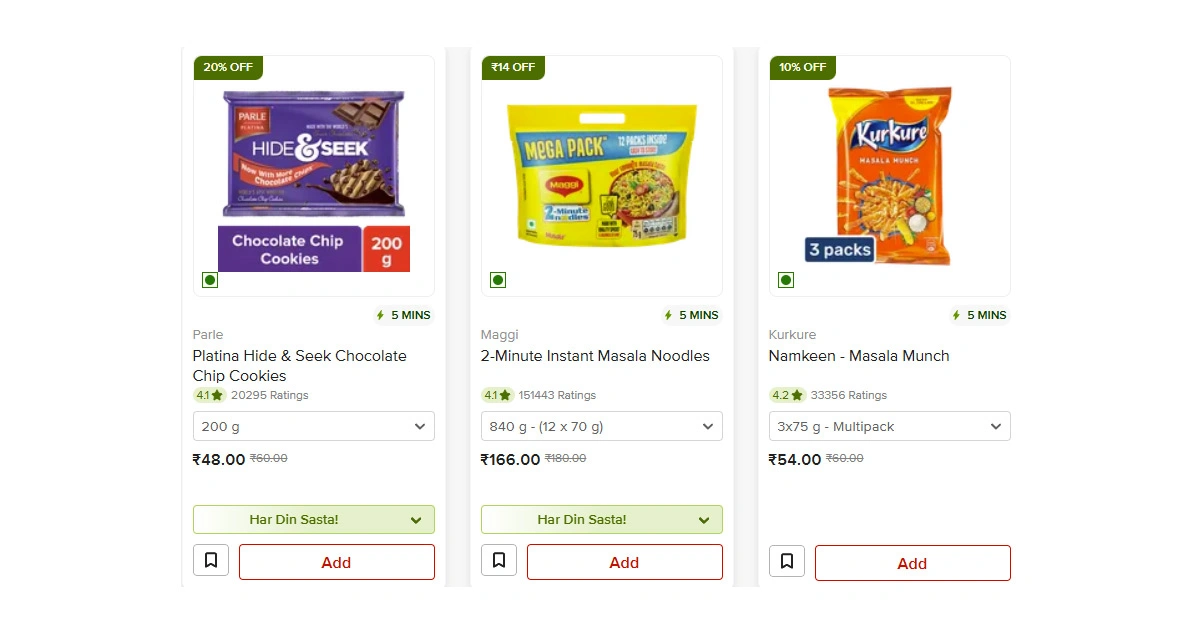
The client encountered several interconnected data quality and operational challenges that were compounding over time, affecting catalog accuracy and business intelligence output.
- Fragmented Variant Attribute Collection
Product size, weight, and pack data were being collected from multiple supplier portals and retail apps in inconsistent formats. There was no standardized extraction layer in place, and How to Scrape Grocery Product Size and Pack Data in a structured, scalable manner had not yet been solved internally. - Duplicate SKU Proliferation
PBecause the same product variant was often captured under different weight expressions or packaging descriptions, the catalog database accumulated thousands of duplicate entries. Without a reliable extraction mechanism, these duplicates were difficult to identify and even harder to merge accurately, causing significant inefficiencies in catalog governance workflows. - Absence of Real-Time Variant Monitoring
PGrocery platforms update product listings, pack configurations, and weight specifications continuously. The client lacked Live Crawler Data Scraping capabilities, meaning their catalog teams were always working from stale snapshots rather than current product data. - Insufficient Coverage for FMCG Category Analysis
PThe client's category management team needed detailed product metadata across broad grocery segments to support supplier negotiations and shelf space planning. Existing data collection methods were too narrow in scope, leaving significant blind spots in category coverage that weakened the analytical output delivered to retail clients.
The Solution
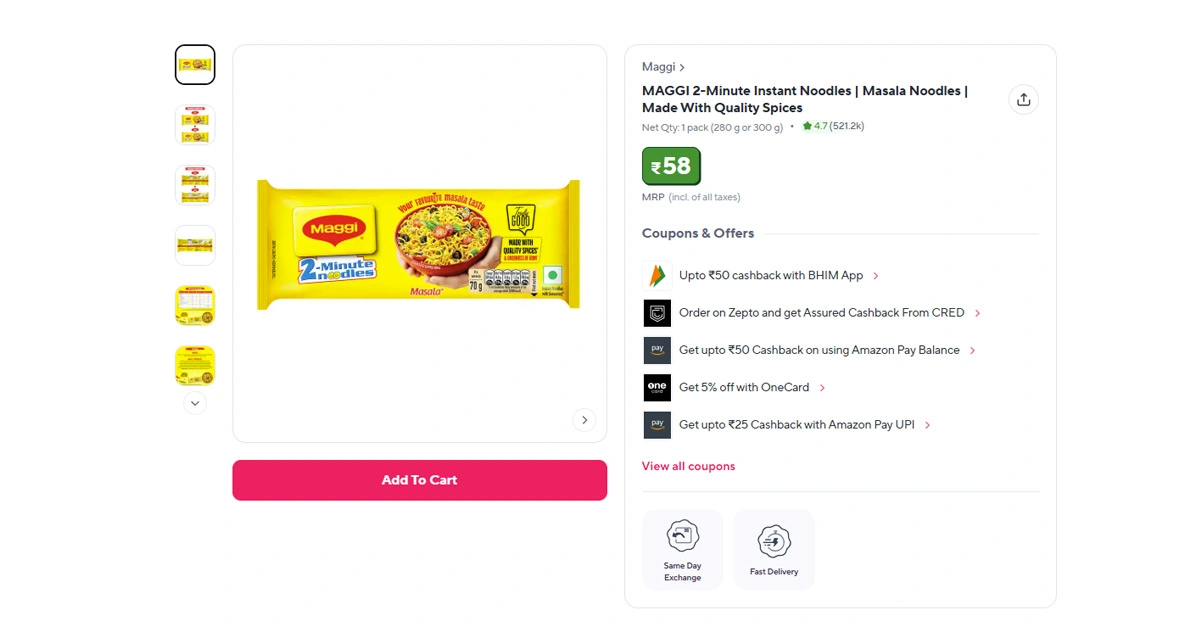
Our team designed a multi-component extraction and data enrichment architecture tailored specifically for grocery variant data challenges, with each module addressing a distinct element of the client's requirements.
- Variant Attribute Capture Framework
This framework powered Automated Grocery Catalog Scraping for Variant Analysis at scale, normalizing incoming variant attributes into a unified schema before they entered the client's catalog management system. - Catalog Enrichment and Deduplication Engine
Built on top of structured Grocery Supermarkets Store Datasets, this module applied intelligent matching logic to identify duplicate product entries, reconcile conflicting variant descriptions, and enrich catalog records with standardized weight, volume, and pack count fields. - Real-Time Product Monitoring Layer
Grocery Weight Variant Extraction for Real Time Insights was implemented through this module, giving the client's catalog team access to freshly updated variant data without any manual intervention. - FMCG Category Intelligence Dashboard
This enabled the client's analysts to perform meaningful comparisons across brands, packaging formats, and retail channels, supporting both internal decisions and the intelligence products they delivered to grocery retail clients.
Implementation Process

The implementation followed a phased approach to ensure stability, accuracy, and scalability at each stage of deployment.
- Structured Source Mapping and Extraction Design
This mapping phase informed the design of extraction rules that could reliably capture Extracting Variant-Level Data From Grocery Stores without attribute loss or structural misalignment. - Data Normalization and Schema Standardization Pipeline
This pipeline was central to supporting Automated Grocery Catalog Scraping for Variant Analysis at the output quality level the client required for catalog integration and FMCG category reporting. - Quality Validation and Continuous Enrichment Layer
Flagged records were routed through an enrichment workflow that Extracting Grocery Product Metadata for FMCG Analytics delivered consistently high-quality output ready for direct ingestion into the client's product information system.
Results & Impact
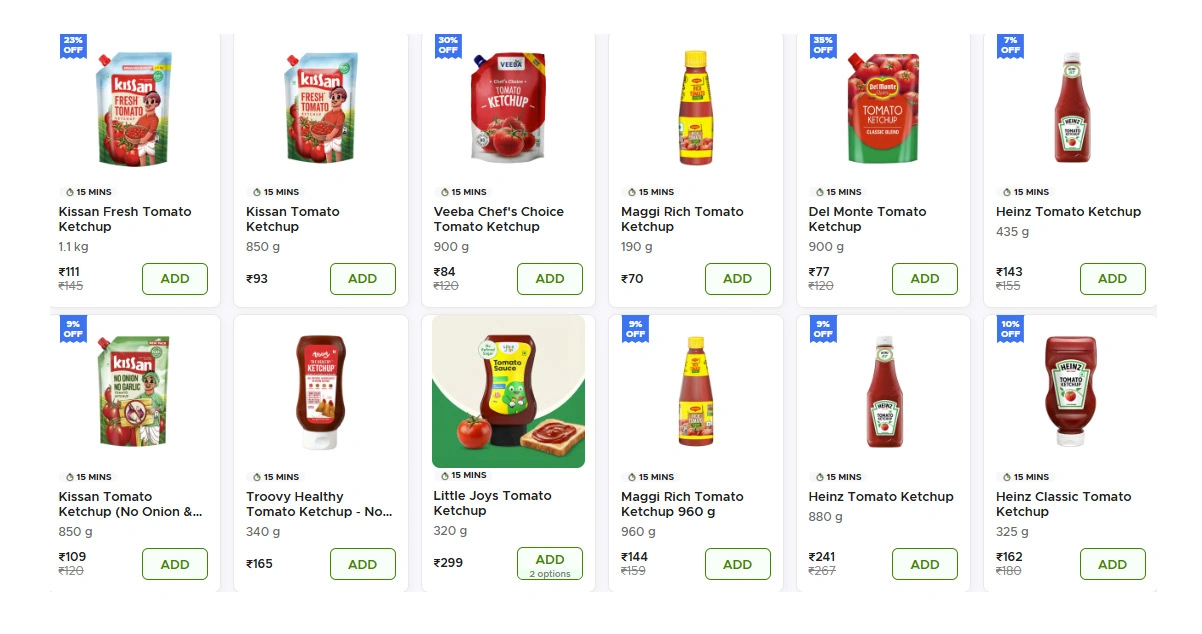
The deployment produced measurable, verifiable improvements across catalog quality, operational efficiency, and analytical capability.
- Catalog Accuracy Transformation
The client reported a substantial reduction in catalog errors related to size and packaging mismatches, directly attributable to the structured approach enabled by Grocery Variant Data Extraction for Size, Weight & Pack. - Duplicate Reduction and Catalog Cleanliness
Clean, unified product records replaced fragmented duplicates, improving catalog governance metrics and reducing the manual workload for the client's data quality team. How to Scrape Grocery Product Size and Pack Data in a standardized way was now answered with a repeatable, scalable solution. - Real-Time Variant Awareness
Grocery Weight Variant Extraction for Real Time Insights delivered ongoing value by keeping catalog records synchronized with live retail environments and reducing catalog drift significantly. - Stronger FMCG Category Intelligence Output
The quality and depth of FMCG intelligence reports delivered to the client's retail partners improved noticeably, strengthening the firm's position as a trusted grocery data intelligence provider.
Key Highlights
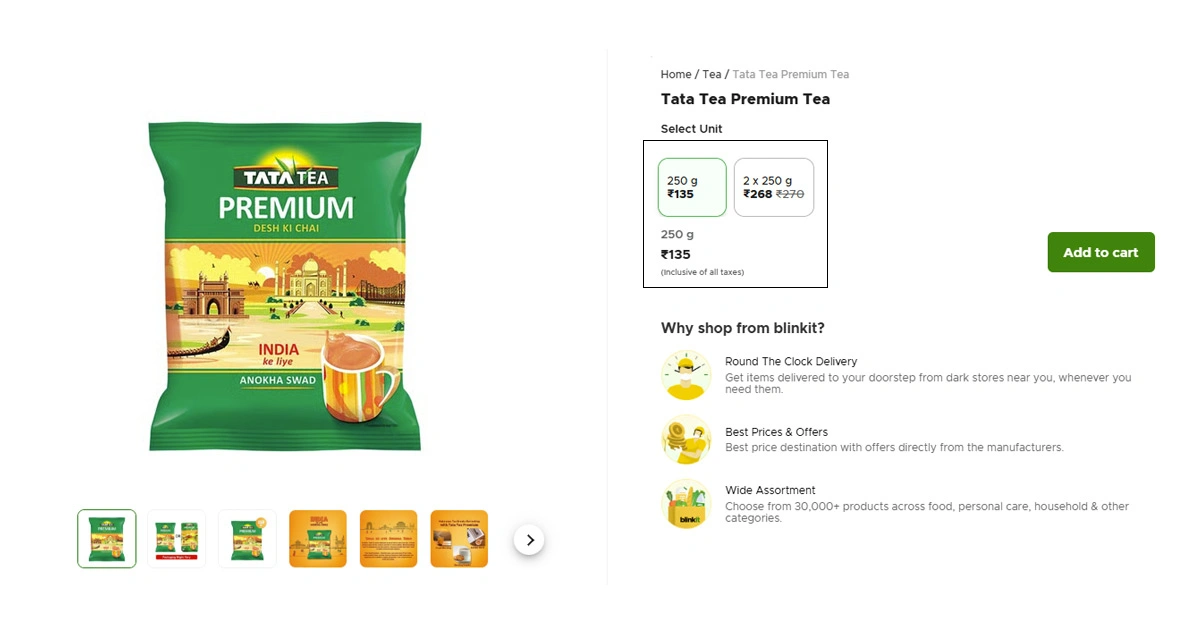
- Scalable Variant Data Architecture
Delivers structured product variant capture across size, weight, and pack dimensions, enabling catalog teams to maintain data quality at scale without proportional increases in manual effort or operational overhead. - Continuous Market Alignment
Supports ongoing synchronization between internal product catalogs and live grocery platform listings, ensuring variant data remains current through Grocery Weight Variant Extraction for Real Time Insights workflows built for high-frequency update environments. - Comprehensive Catalog Intelligence
Enables end-to-end visibility across grocery product hierarchies, from base product records to granular variant attributes, supporting both operational catalog management and strategic Extracting Grocery Product Metadata for FMCG Analytics initiatives for category teams.
Use Cases
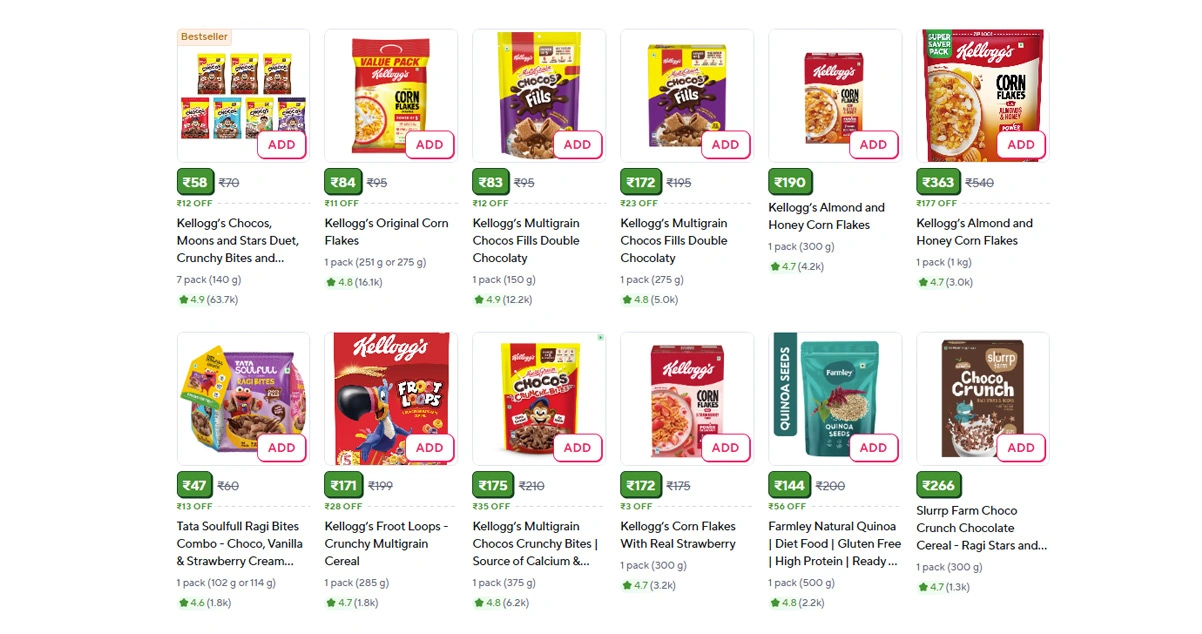
The solutions developed in this engagement have broad applicability across grocery data management and FMCG intelligence functions.
- Catalog Quality Management for Grocery Retailers
Size, weight, and pack data captured through How to Scrape Grocery Product Size and Pack Data methodologies ensures that digital shelves reflect accurate product specifications without relying on manual update processes. - FMCG Competitive Benchmarking
App Data Scraping enables FMCG brand managers and category analysts to systematically collect competitor product variant data from grocery apps, supporting packaging strategy reviews, price-pack architecture analysis, and new product development. - Supplier Data Validation and Reconciliation
rocurement and vendor management teams can cross-reference supplier-provided product specifications against live grocery platform listings to identify discrepancies. Extracting Variant-Level Data From Grocery Stores provides an independent, reliable data source for validating supplier data accuracy across large product portfolios. - Regional Variant Preference Analysis
Category planners can analyze how product sizes and pack configurations perform across different regional markets by extracting variant-level data from location-specific grocery app listings. This regional lens supports smarter assortment decisions, promotional planning, and new market entry strategies.
Client’s Testimonial

Before implementing the Mobile App Scraping solution, our catalog team spent an unreasonable amount of time manually correcting variant data errors that should never have existed in the first place. The structured approach to Grocery Variant Data Extraction for Size, Weight & Pack completely changed how we manage product attributes at scale. It has genuinely elevated the standard of our catalog operations in ways we didn't anticipate.
– Jacob Elliot, Head of Catalog Operations
Conclusion
The grocery data landscape is growing more complex as product formats multiply, packaging variants expand, and digital shelves demand real-time accuracy. Grocery Variant Data Extraction for Size, Weight & Pack provides a structured, scalable path toward cleaner catalogs, more reliable product records, and stronger FMCG intelligence capabilities.
Automated Grocery Catalog Scraping for Variant Analysis equips catalog and category teams with the data infrastructure needed to stay current with rapidly evolving grocery product ecosystems, enabling decisions grounded in accurate, complete, and timely variant-level information. Contact Mobile App Scraping today to learn how our specialized grocery data extraction services can help your organization resolve catalog inconsistencies.