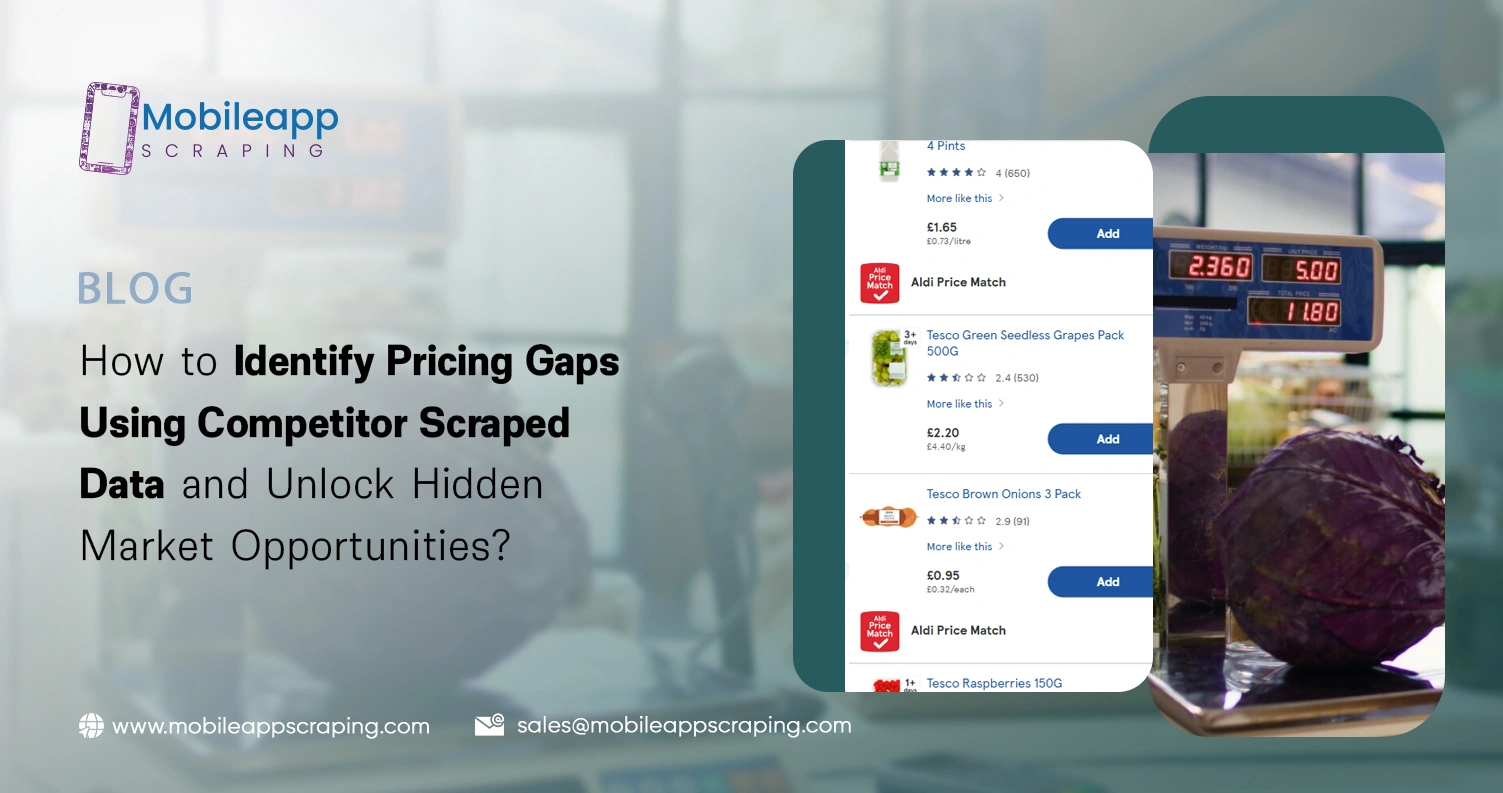
How to Identify Pricing Gaps Using Competitor Scraped Data and Unlock Hidden Market Opportunities?
Introduction
Pricing decisions can determine whether a business wins customer attention, protects margins, or loses sales to faster-moving competitors. In highly competitive digital markets, customers can compare product prices, discounts, delivery charges, bundles, and availability within minutes.
A structured Price Optimization Service helps businesses evaluate current pricing against market conditions instead of relying on assumptions. It can reveal products priced too high for their category, items that are unnecessarily discounted, and competitor offers that create pressure on conversion rates.
The process to Identify Pricing Gaps Using Competitor Scraped Data begins with collecting comparable competitor information, including product names, variants, selling prices, promotional offers, stock status, ratings, and seller details. Reliable competitor insights allow decision-makers to respond faster, reduce blind spots, and uncover market opportunities that traditional manual research may overlook.
Building Clear Visibility Across Competitive Pricing Channels
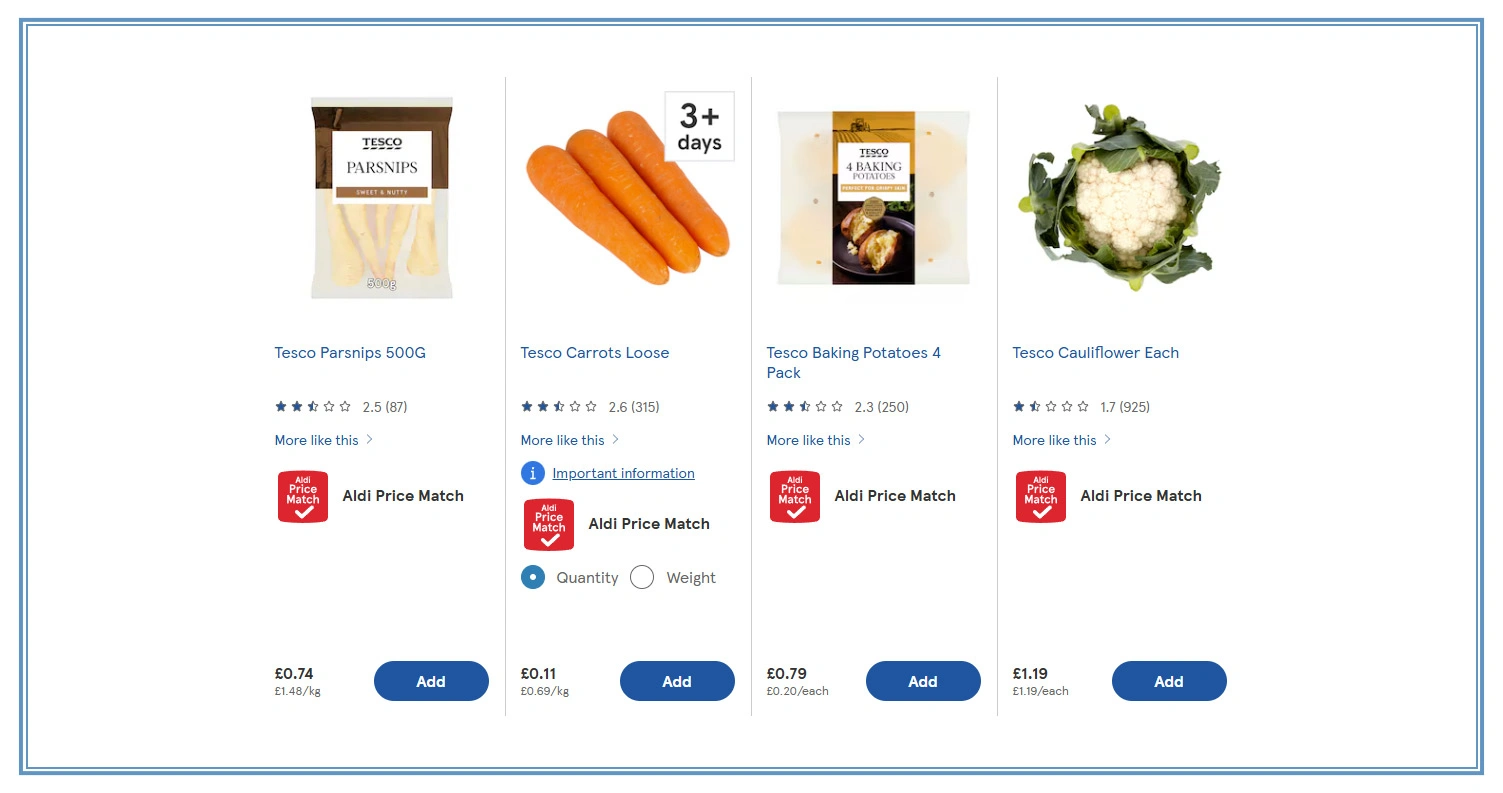
Businesses often struggle to maintain accurate visibility into competitor prices across websites, marketplaces, mobile apps, regional stores, and seller listings. The same product can appear with different prices based on location, stock availability, customer membership, promotional rules, or delivery conditions.
A structured monitoring workflow collects comparable product information, including titles, brand names, variants, pack sizes, selling prices, discounts, seller details, and delivery charges. In the middle of this process, Optimization Data Scraping helps collect recurring competitor information and organize it into a reliable format for review.
| Pricing Visibility Challenge | Data Required | Recommended Action |
|---|---|---|
| Different prices by location | Regional selling price and delivery fee | Compare prices by service area |
| Frequent promotional changes | Discount value and offer duration | Track campaign start and end dates |
| Marketplace seller variation | Seller name, rating, and stock status | Compare trusted seller listings |
| Product variant mismatch | Size, quantity, and specifications | Apply accurate matching rules |
Once comparable records are available, Retail Pricing Gap Analysis With Web Scraping supports teams in identifying products that are priced above, below, or close to market expectations. For example, a business may find that premium variants are priced higher than competing offers while entry-level products are discounted more than necessary.
Regular reporting also helps pricing teams review market changes by category, competitor, region, and product priority. This creates better visibility, reduces pricing blind spots, and supports more confident commercial decisions.
Reducing Delays During Rapid Competitor Price Movements
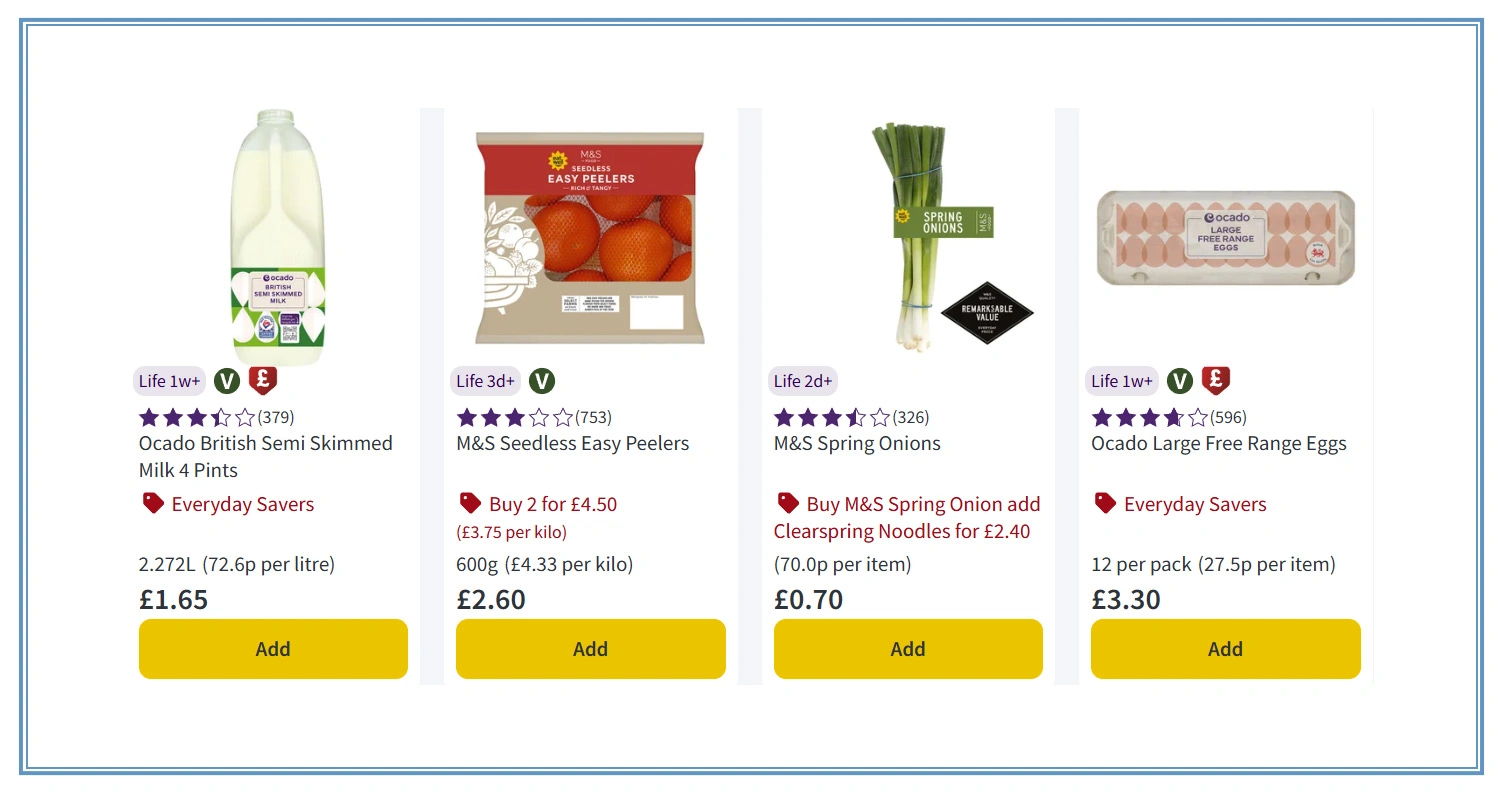
Fast-moving industries often face challenges when competitors change prices several times within a day. Categories such as grocery, fashion, electronics, travel, food delivery, and consumer goods can experience frequent shifts in selling prices, promotional offers, bundles, and delivery charges.
A reliable competitor monitoring process should collect data at regular intervals and flag meaningful price changes for immediate review. During this workflow, Pricing Intelligence Data Scraping provides structured records that help decision-makers compare current offers with previous competitor movements.
| Market Change | Business Risk | Monitoring Response |
|---|---|---|
| Competitor price reduction | Lower conversion on similar products | Trigger a pricing review alert |
| New discount campaign | Reduced promotional visibility | Compare offer value and duration |
| Product stockout | Opportunity for stronger visibility | Increase campaign focus |
| Higher delivery charges | Customers may switch sellers | Review total purchase cost |
| Competitor price increase | Possible margin opportunity | Test controlled adjustments |
When pricing teams receive timely updates, they can focus on the changes that have the strongest commercial impact. In the middle of ongoing reporting, Real-Time Price Gap Monitoring With Scraping helps identify sudden reductions, new offers, stock changes, and competitor campaign patterns without requiring extensive manual checks.
Historical records can also reveal recurring behavior, such as weekend promotions, seasonal reductions, or campaign-based price adjustments. These findings allow businesses to prepare responses before market changes affect customer decisions. Faster monitoring creates a more agile process that protects margins while maintaining competitive positioning.
Revealing Product Opportunities Through Detailed Market Comparisons
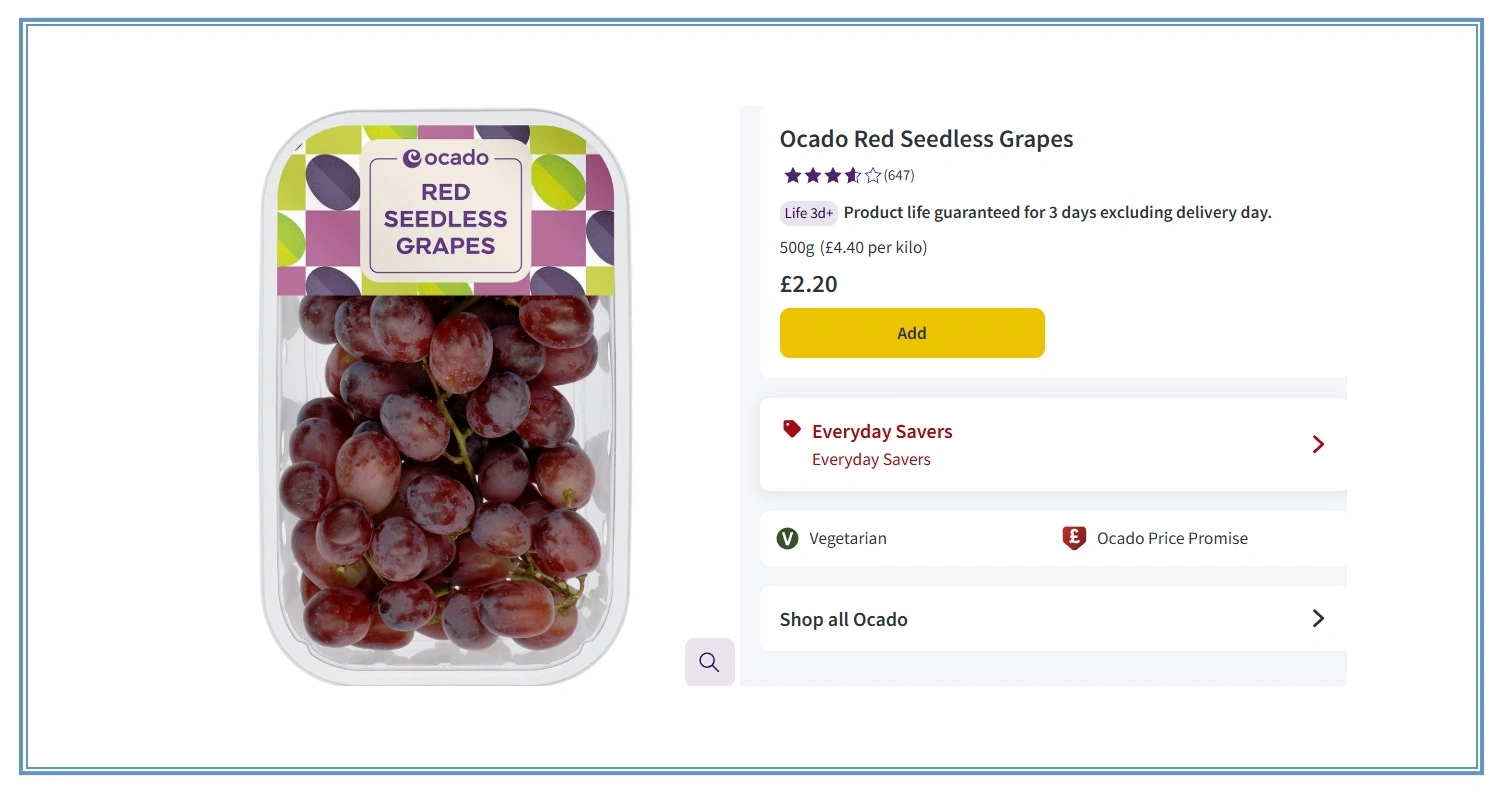
Competitor pricing data can reveal more than products that appear expensive in the market. It can also show where a business may improve margins, reposition selected items, create bundles, or strengthen promotional activity. Many pricing teams focus only on reducing prices when competitors offer lower rates.
A complete analysis compares regular prices, discounted prices, shipping charges, membership benefits, product bundles, and seller-specific offers. In the middle of this evaluation, Price Comparison Services help businesses organize large product catalogs and identify meaningful differences across multiple competitors and channels.
| Opportunity Type | Competitor Signal | Possible Business Action |
|---|---|---|
| Margin improvement | Internal price remains below market | Test a controlled price increase |
| Promotional opportunity | Competitor offer has ended | Launch a targeted campaign |
| Assortment advantage | Competitor product is unavailable | Increase visibility for alternatives |
| Bundle opportunity | Competitor sells products separately | Create value-based packs |
| Premium positioning | Better ratings or faster fulfillment | Maintain price with stronger messaging |
Detailed competitor records help teams understand whether price differences are temporary, sustainable, or linked to inventory clearance and limited campaigns. This prevents businesses from reacting automatically to every low competitor price. Instead, they can evaluate commercial context before making adjustments.
For deeper category analysis, Web Scraping for Price Gap Analysis supports product-level comparisons that reveal pricing patterns missed by broad reports. Teams can combine these findings with internal sales volume, margins, conversion rates, and customer demand to create more balanced pricing decisions.
How Mobile App Scraping Can Help You?
Our solution can help teams Identify Pricing Gaps Using Competitor Scraped Data across app listings, product pages, category screens, search results, offers, and checkout flows. It captures structured information that can be compared with internal pricing records and competitor activity across multiple regions.
Our approach includes:
- Track product prices across competitor mobile applications
- Monitor app-exclusive discounts and membership offers
- Compare delivery fees and minimum order requirements
- Capture product availability by service location
- Analyze bundles, coupons, and promotional campaigns
- Build recurring reports for pricing decision-makers
The collected data can support faster pricing reviews, category planning, and campaign optimization. Businesses can also use Price Monitoring and Pricing Gap Identification via API to connect app-based competitor insights with internal dashboards, pricing engines, analytics platforms, or reporting systems.
Conclusion
Market pricing becomes more effective when teams combine competitor visibility with product-level performance data. Businesses can Identify Pricing Gaps Using Competitor Scraped Data to understand where they are losing competitiveness, where margins can improve, and where customer value supports a differentiated price.
With the right process, businesses can Detect Pricing Opportunities Using Scraped Data across competitors, channels, locations, and product categories. Contact Mobile App Scraping today to build a customized competitor intelligence workflow and make more confident pricing decisions for sustainable growth.