

How Does Kaspi Data Scraping for Market Research Uncover 27% E-Commerce Trend Growth in Central Asia?
Introduction
Central Asia’s digital commerce landscape is entering a pivotal expansion phase, with regional online sales growing at an estimated 27% year over year. This rapid evolution creates substantial opportunities—but also significant data complexity—for brands, retailers, and analysts. Leveraging Kaspi Data Scraping for Market Research enables stakeholders to gain timely visibility into product performance, pricing dynamics, and demand fluctuations, insights that are no longer possible through manual tracking or delayed reporting methods.
This is where structured data-driven intelligence becomes essential. By capturing real-time product, pricing, and demand signals from Kaspi, businesses can align decisions with actual consumer behavior rather than assumptions. Market research teams increasingly rely on Ecommerce App Scraping Services to transform fragmented marketplace information into reliable datasets that reflect live market conditions.
As competition intensifies and cross-border sellers enter the ecosystem, the ability to analyze marketplace dynamics at scale directly impacts profitability. Data-led strategies now determine which brands grow sustainably and which lose relevance. Kaspi-focused intelligence enables businesses to move from reactive adjustments to proactive market positioning, backed by measurable evidence rather than intuition.
Detecting Market Price Shifts Through Data
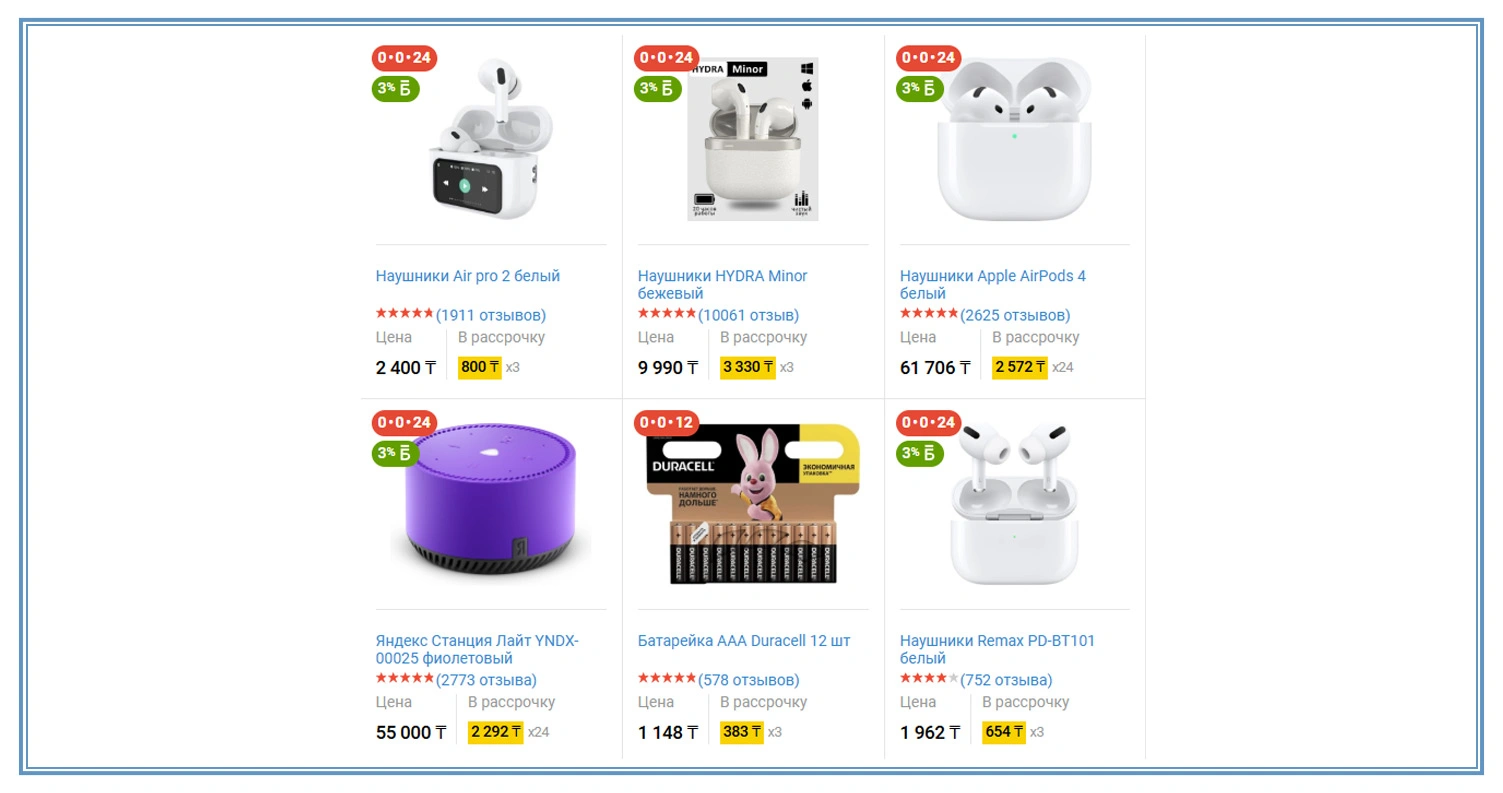
Rapid price movement is a defining characteristic of Central Asia’s digital commerce ecosystem. Sellers on Kaspi frequently adjust rates based on competitor actions, seasonal demand, and stock availability. By implementing Central Asia Ecommerce Data Scraping, businesses can systematically observe listing-level changes across categories and regions, enabling evidence-based pricing decisions rather than reactive adjustments.
Data-led monitoring reveals that price-sensitive categories such as electronics and household appliances experience the highest fluctuation frequency, sometimes changing multiple times within a single week. Integrating this intelligence with a Price Monitoring Scraping Service allows companies to align pricing strategies with real-time competitive benchmarks.
Additionally, demand indicators such as seller ranking movement and stock depletion speed provide indirect signals of consumer intent. When pricing and demand metrics are evaluated together, organizations can identify underpriced high-demand products or overpriced listings losing traction. This combination supports margin protection while maintaining competitiveness in high-volume segments.
Pricing and Demand Observation Snapshot:
| Metric Evaluated | Before Data Tracking | After Data Tracking |
|---|---|---|
| Average Price Adjustment Delay | 6 Days | 24 Hours |
| Conversion Volatility | High | Stabilized |
| Lost Buy Box Incidents | Frequent | Reduced |
| Demand Forecast Accuracy | Moderate | Improved |
Such structured insights help businesses maintain pricing relevance while avoiding unnecessary discounting.
Evaluating Category Performance With Product Insights
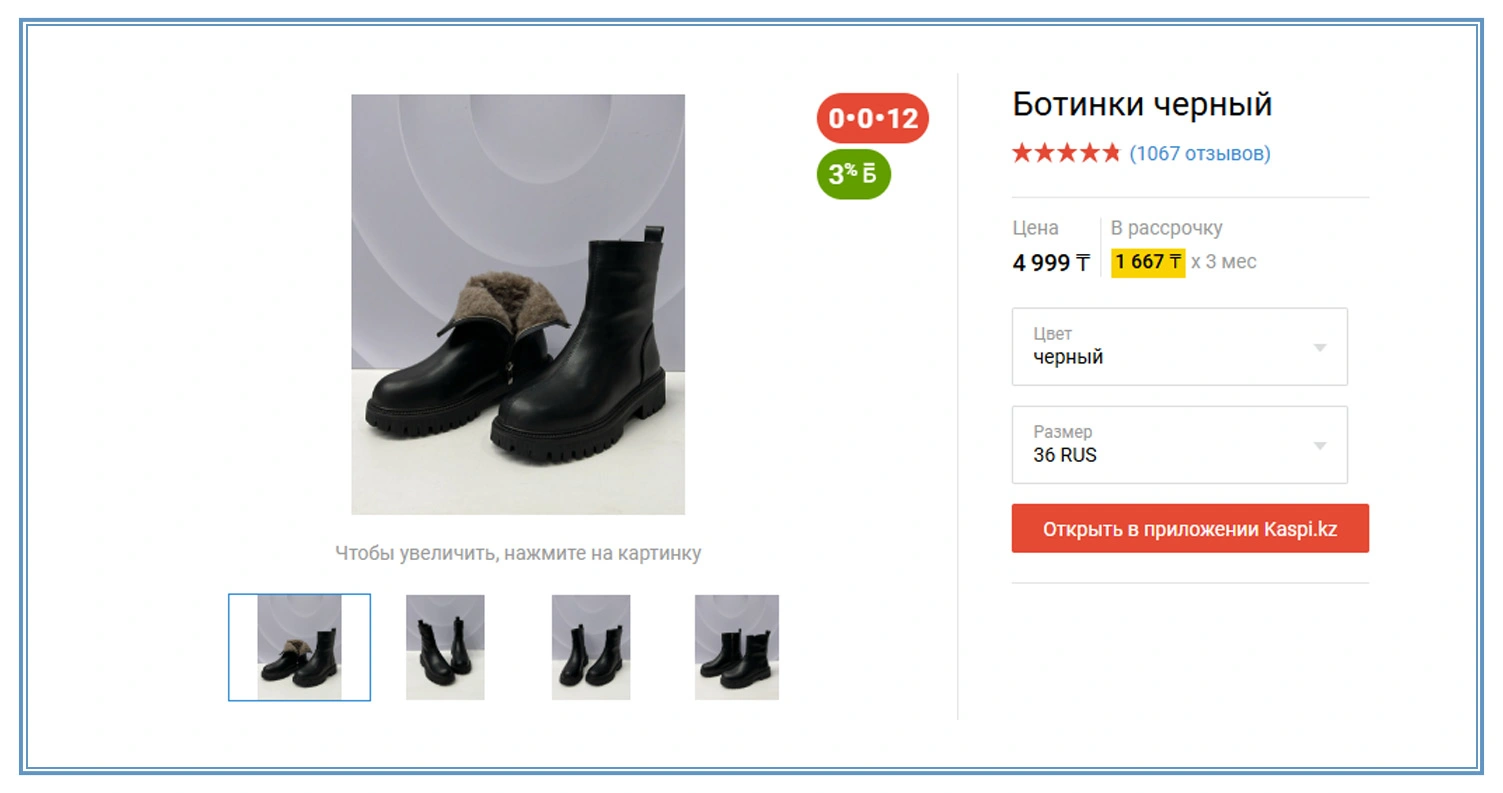
Understanding category-level performance requires more than surface-level sales numbers. On Kaspi, product success is shaped by availability consistency, customer sentiment, and relative positioning within search results. Through Kaspi Product Data Scraping, analysts gain access to granular SKU-level information that reveals how these factors collectively influence buyer decisions.
Detailed datasets show that products maintaining steady stock availability alongside strong customer feedback outperform similar listings by a significant margin. For instance, items with ratings above 4.3 stars and uninterrupted availability demonstrate noticeably higher repeat purchase behavior.
Category-level analysis also highlights shifting consumer preferences. Bundled offerings and value packs tend to perform better during peak shopping periods, while premium products gain traction during non-promotional cycles. By mapping these patterns, organizations can plan assortments aligned with actual buying behavior rather than assumed trends.
Category Performance Comparison:
| Category Segment | Avg. Rating | Stock Stability | Repeat Purchase |
|---|---|---|---|
| Consumer Electronics | 4.2 | Medium | 24% |
| Home Essentials | 4.4 | High | 29% |
| Personal Care | 4.5 | High | 34% |
| Grocery Items | 4.3 | Medium | 31% |
This structured visibility supports smarter merchandising decisions and long-term category optimization across the marketplace.
Tracking Platform-Wide Growth And Buying Patterns
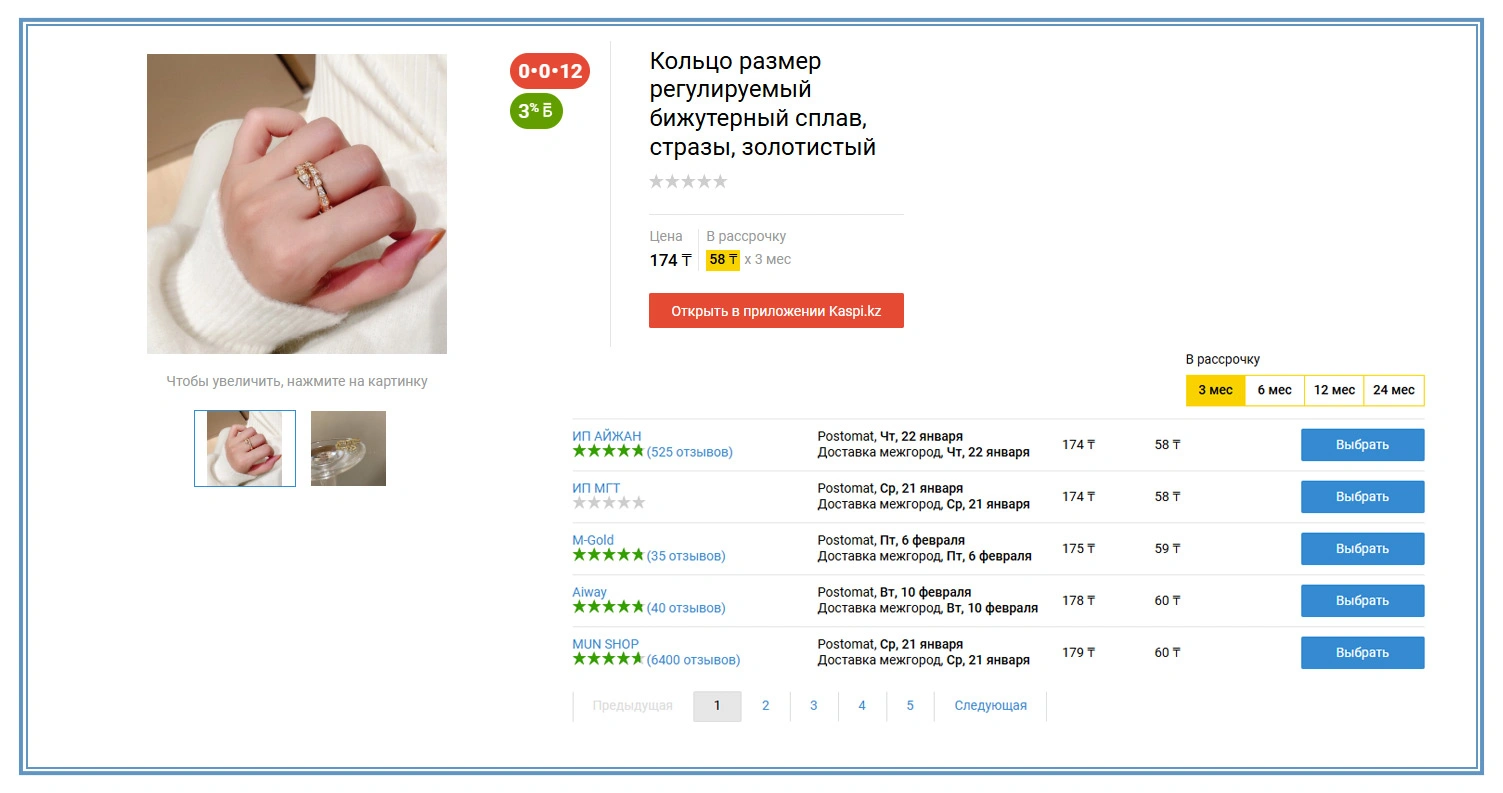
Long-term success on Kaspi depends on understanding macro-level marketplace movement rather than isolated product trends. By applying Ecommerce Trend Monitoring Central Asia, businesses can evaluate how consumer behavior evolves across regions, seasons, and income segments, supporting more resilient expansion strategies.
Data indicates that while major cities contribute the majority of revenue, secondary regions are demonstrating faster growth rates. These markets show increasing adoption of mobile-first purchasing and higher responsiveness to localized pricing strategies. Additionally, private-label products are steadily gaining acceptance, reflecting heightened price awareness among consumers.
Monitoring such shifts allows organizations to balance geographic expansion with targeted investments. Insights derived from kaspi.kz Pricing and Demand Trend Analysis further clarify how price elasticity varies by category, helping brands decide where premium positioning is viable and where competitive pricing is essential.
Marketplace Growth Indicators:
| Growth Factor | Observed Trend |
|---|---|
| Urban Revenue Share | 62% |
| Tier-2 City Growth Rate | 34% YoY |
| Mobile Purchase Adoption | 71% |
| Private Label Penetration | Rising |
By aligning strategic planning with these indicators, businesses can scale efficient
How Mobile App Scraping Can Help You?
As competition intensifies, Kaspi Data Scraping for Market Research enables businesses to convert raw marketplace activity into structured intelligence that supports faster, more accurate decisions.
Key advantages include:
- Faster response to market shifts and competitor actions.
- Improved inventory forecasting accuracy.
- Data-backed pricing and promotion planning.
- Clear visibility into customer preferences.
- Reduced reliance on manual data collection.
- Scalable insights across thousands of SKUs.
When combined with Scraping Central Asian Ecommerce Platforms, these capabilities provide a unified view of regional commerce behavior, supporting sustainable growth strategies across diverse markets.
Conclusion
Market intelligence has become a strategic necessity rather than a competitive advantage. By applying Kaspi Data Scraping for Market Research, businesses gain clarity into demand shifts, pricing movements, and buyer behavior across Central Asia, enabling informed decisions that align with real market conditions.
In a rapidly evolving digital economy, actionable insights derived from Kaspi market research empower organizations to respond confidently to kaspi.kz Pricing and Demand Trend Analysis. Partner with Mobile App Scraping and turn insights into sustained e-commerce success today.