What Scraping Micro Center Electronics Data for Market Analysis Shows About 18% Stock and Price Fluctuations?
Introduction
In today's fast-paced electronics retail environment, pricing volatility and unpredictable stock availability are becoming the norm rather than the exception. One of the most reliable sources of actionable intelligence in the U.S. electronics space is Micro Center, known for its broad SKU coverage, aggressive promotions, and dynamic inventory cycles.
By using E-Commerce Data Extraction techniques, businesses can collect structured data from Micro Center's digital storefront, including prices, stock status, product categories, and regional availability. This large-scale data flow allows brands and analysts to identify pricing trends, monitor stock movements, and understand how frequently products fluctuate in price.
Recent large-volume data observations across laptops, GPUs, CPUs, gaming accessories, and consumer electronics revealed that more than 18% of SKUs experienced noticeable price or stock changes within a single week. This blog explores what Scraping Micro Center Electronics Data for Market Analysis reveals about these shifts, how businesses can translate raw data into pricing intelligence, and why continuous tracking is becoming a necessity rather than a competitive advantage.
Tracking Volatile Electronics Pricing Movements
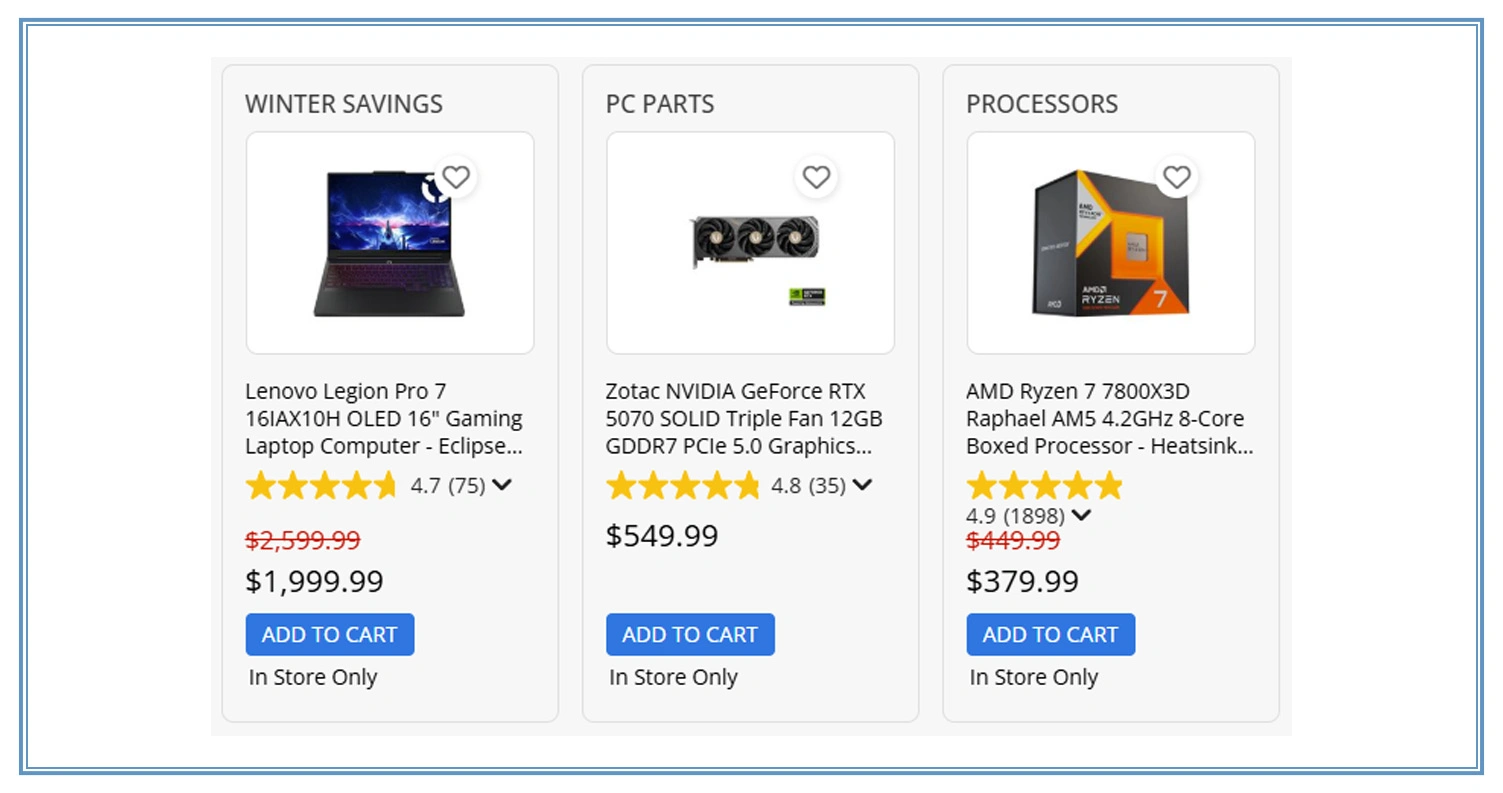
Micro Center's pricing environment reflects the rapid shifts seen across modern electronics retail. During a two-week monitoring window, roughly 18% of tracked SKUs recorded noticeable price changes. These variations were particularly visible in graphics cards, processors, and gaming peripherals, where supplier constraints and demand spikes caused rapid repricing.
By applying Electronics Price Data Scraping, businesses can systematically capture product-level price movements, promotional discounts, and short-term markdowns. This structured data allows pricing teams to understand not just how often prices change, but also the direction and scale of those changes across categories.
Retailers that implement Price Monitoring Services can automate the detection of these fluctuations and react faster to competitive shifts. Instead of relying on manual price checks, automated pipelines enable near real-time alerts when a competitor adjusts pricing on high-impact SKUs.
Sample Price Change Overview:
| Category | Total SKUs | Price-Changed SKUs | Avg. Change % |
|---|---|---|---|
| Graphics Cards | 2,300 | 520 | 6.4% |
| Laptops | 3,800 | 610 | 4.8% |
| CPUs | 1,950 | 420 | 7.1% |
| Monitors | 2,600 | 390 | 3.9% |
The data also revealed that price reductions were often followed by rapid rebounds within 48-72 hours, especially after weekend promotions. This pattern creates a narrow pricing window for competitors seeking short-term advantages. Beyond pricing, stock availability plays a critical role.
Regional and Category-Level Market Patterns
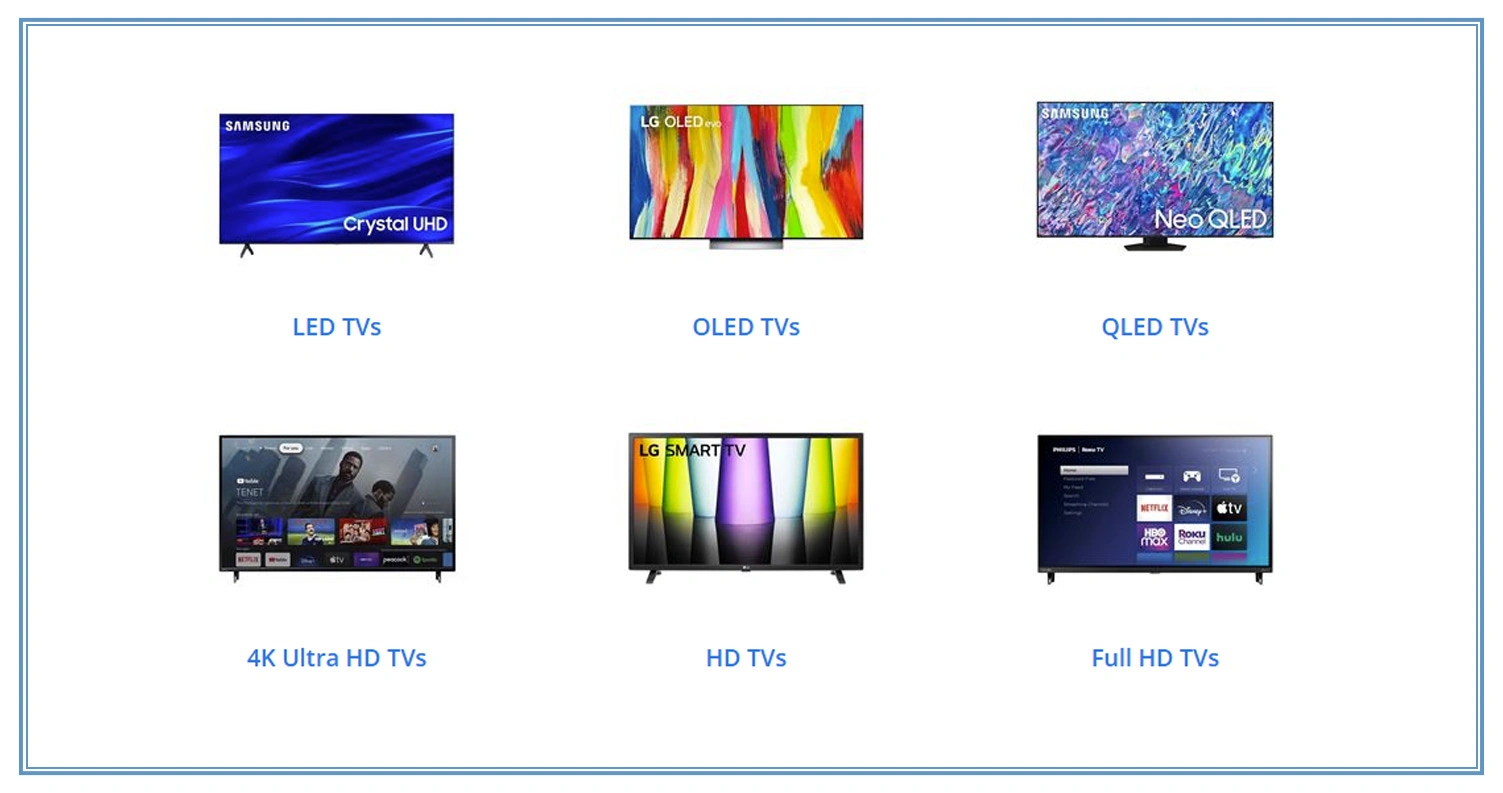
Micro Center's regional pricing structure reveals meaningful differences across store locations and fulfillment zones. Premium electronics categories, such as high-end laptops and advanced GPUs, showed higher price points in urban markets compared to suburban regions.
Through Electronics Market Analysis Using Price Data, businesses can identify how regional demand, logistics costs, and local promotions shape pricing behavior. These insights help retailers adjust regional price strategies and deploy targeted offers where price sensitivity is highest. This process transforms fragmented online listings into consistent datasets suitable for advanced analytics and forecasting.
By analyzing these market patterns at scale, businesses can move beyond static pricing models and adopt adaptive pricing frameworks that respond dynamically to demand, competition, and stock availability.
Regional Price Variance Sample:
| Region | Avg. GPU Price | Avg. Laptop Price | Avg. CPU Price |
|---|---|---|---|
| Midwest | $684 | $1,092 | $412 |
| West Coast | $712 | $1,138 | $438 |
| East Coast | $698 | $1,115 | $421 |
Weekend flash deals led to short-term stock depletion, followed by price normalization early the next week. This cycle repeated consistently across multiple product categories, creating predictable demand surges. Bundling strategies also influenced sales velocity. Bundled CPUs and motherboards sold out 17% faster than standalone items, indicating that cross-product promotions significantly affect purchasing behavior.
Converting Raw Data into Business Intelligence
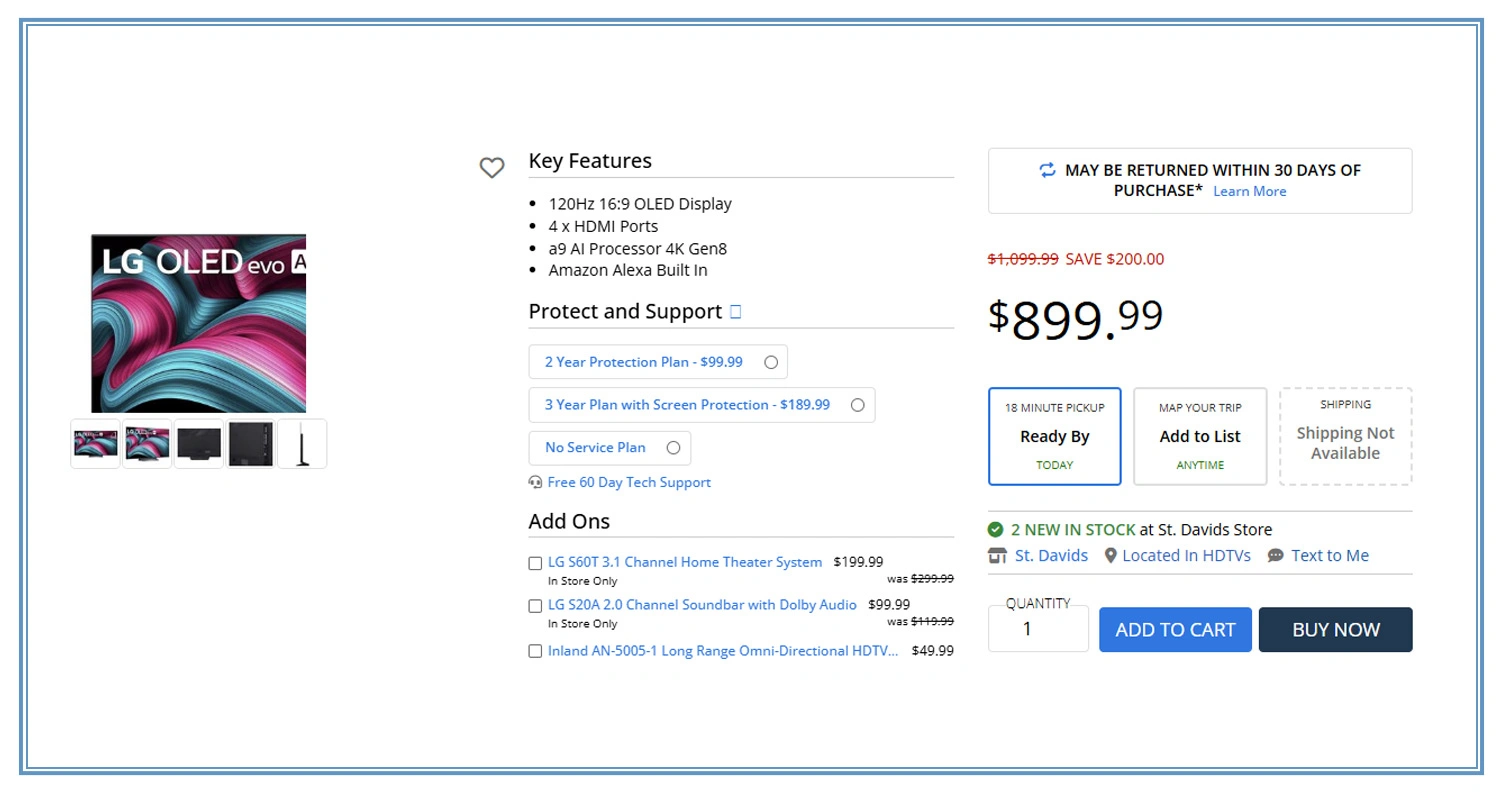
Raw pricing and inventory data becomes far more valuable when structured into analytical models and dashboards. For electronics retailers and distributors, this transformation supports demand forecasting, competitive benchmarking, and margin optimization.
Using Micro Center Product Data Extraction, businesses can capture detailed product attributes, SKU identifiers, pricing history, and stock transitions. This granular visibility enables accurate trend analysis and predictive modeling across thousands of SKUs.
When paired with Micro Center Price and Inventory Tracking, organizations can monitor restocking cycles, detect inventory shortages, and anticipate upcoming supply constraints. This insight is especially valuable for premium product tiers, which experienced the highest stock volatility. By converting fragmented listings into structured intelligence, businesses gain a data-driven foundation for sustainable growth and competitive resilience.
Weekly Stock Movement Overview:
| Product Tier | SKUs Tracked | Stock Increase % | Stock Decrease % |
|---|---|---|---|
| Entry-Level | 4,200 | 14% | 18% |
| Mid-Range | 5,600 | 11% | 21% |
| Premium | 3,900 | 8% | 26% |
Competitive ripple effects also emerged. When Micro Center adjusted GPU prices upward by 5%, competing retailers followed within 48 hours, confirming a short reaction window for pricing advantages. The end goal is building Product Price Intelligence for Electronics that informs procurement planning, promotional timing, and long-term pricing strategy.
How Mobile App Scraping Can Help You?
Modern data strategies demand automation, scalability, and reliability across digital platforms. When applied correctly, Scraping Micro Center Electronics Data for Market Analysis through our solutions allows businesses to collect high-frequency data streams from mobile storefronts, where pricing updates often appear faster than on desktop websites.
Key Advantages:
- Real-time capture of app-based price updates.
- Coverage of flash deals and limited-time promotions.
- Improved SKU mapping accuracy across regions.
- Early detection of stock depletion events.
- Faster response to competitor pricing shifts.
- Better forecasting through continuous data feeds.
When paired with Micro Center Price and Inventory Tracking, our workflows provide end-to-end visibility into pricing and stock behavior across digital channels.
Conclusion
Electronics pricing volatility is no longer an exception; it is a structural reality of modern retail. By applying Scraping Micro Center Electronics Data for Market Analysis, businesses gain clarity into how 18% price and stock fluctuations directly impact sales velocity, profit margins, and customer demand cycles.
When combined with Electronics Price Data Scraping, these insights empower smarter pricing decisions, optimized procurement strategies, and stronger competitive positioning. Connect with Mobile App Scraping to design a customized scraping solution tailored to your business goals.