Introduction
Stock visibility has become a defining factor in quick commerce success, where delivery windows are measured in minutes and consumer expectations leave little room for error. Brands operating across fast-moving grocery and hyperlocal delivery platforms cannot afford to lose sales due to undetected inventory gaps. Real-Time Quick Commerce Out-Of-Stock Product Data Monitoring provides the operational clarity needed to identify these blind spots before they escalate into revenue loss and poor customer experiences.
The rapid expansion of quick commerce platforms has made it increasingly difficult for brands and category managers to maintain accurate product availability intelligence across dozens of simultaneous storefronts. Quick Commerce App Data Extraction fills this gap by enabling continuous, automated visibility into product listings, availability flags, and fulfillment readiness across mobile-first platforms.
Consistent access to structured availability intelligence allows businesses to move from reactive firefighting to proactive inventory management. Through Quick Commerce App Scraping for Inventory Monitoring, organizations can benchmark availability performance across SKUs, geographies, and time windows, creating a foundation for smarter procurement decisions, stronger retailer relationships, and measurable reductions in lost sales opportunities driven by stock-out incidents.
The Client
A leading consumer packaged goods brand operating across multiple quick commerce platforms approached us seeking stronger visibility into how their products were being stocked and displayed across regional fulfillment nodes. The brand had built strong demand but struggled to translate that demand into consistent availability at the point of purchase across delivery apps.
The organization had already invested in demand forecasting tools, but those systems lacked critical input, real-time data from the platforms where actual sales were occurring. By integrating Real-Time Quick Commerce Out-Of-Stock Product Data Monitoring into their operational workflow, the client aimed to bridge the gap between forecasted demand and actual shelf presence, giving supply chain teams the live signals they needed to act before a stockout impacted customer orders.
Leadership recognized that inconsistent product availability was silently eroding both revenue and brand trust. They required a partner capable of delivering structured, platform-level availability intelligence at scale. The adoption of AI-Based Out-Of-Stock Product Data Scraping was identified as the most effective path forward to move from periodic audits to continuous, intelligent monitoring that could scale across their growing quick commerce presence.
The Challenge
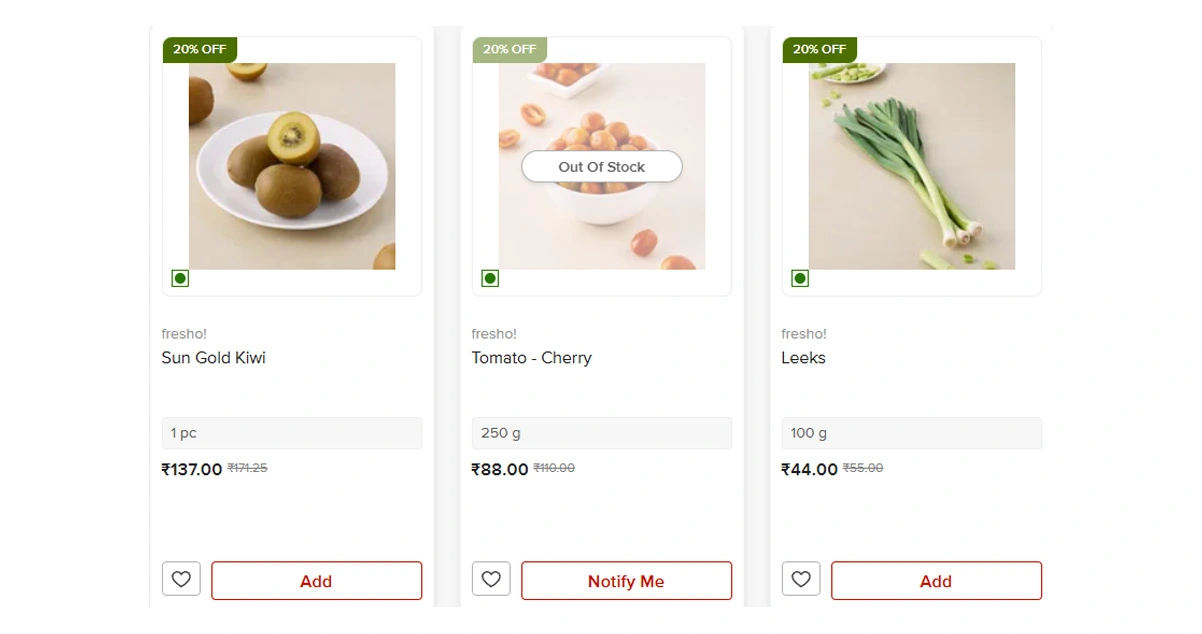
The client encountered several structural barriers that prevented effective inventory visibility across quick commerce channels.
- Availability data was scattered across multiple apps with no unified view
making it nearly impossible to detect stockout patterns early enough to trigger replenishment before customer-facing impact occurred. - Platform-level product listings changed frequently throughout the day
due to dynamic inventory updates, and the client's existing tools were not equipped to Scrape Quick Commerce Apps for Stock Data at the frequency required to capture these shifts accurately. - Regional performance varied significantly
with certain fulfillment centers experiencing higher stockout rates than others, yet there was no systematic way to isolate underperforming zones using Web Scraping Grocery Product Availability Across Mobile Apps at a granular location level. - The absence of automated data pipelines
meant that category managers were spending significant time on manual checks, delaying corrective action and reducing the team's capacity to focus on strategic availability improvements.
These compounding challenges collectively reduced the client's ability to maintain competitive shelf presence across the fragmented quick commerce ecosystem.
The Solution
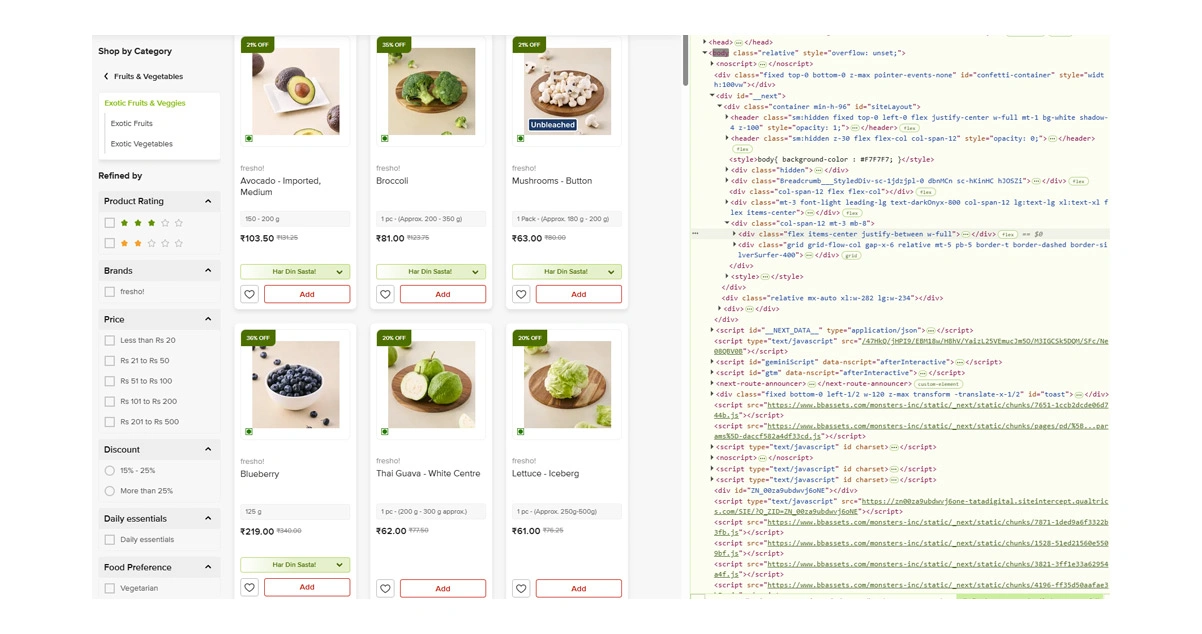
Our team engineered a comprehensive monitoring architecture that delivered continuous, structured visibility into product availability across all targeted quick commerce platforms.
- Availability Signal Grid
A centralized monitoring layer was built to Scrape Quick Commerce Apps for Stock Data across all active platforms simultaneously, capturing real-time availability signals at the SKU level and organizing them into a structured feed accessible to category and supply chain teams. - Intelligent Parsing Framework
An advanced parsing engine was deployed to power Product Availability Data Scraping across diverse app structures and dynamic content formats. The system incorporated API Scraping capabilities to collect structured availability responses where available, ensuring data accuracy and reducing extraction latency across high-frequency monitoring cycles. - Predictive Stockout Detector
Leveraging Quick Commerce Inventory Data Extraction Using AI, the system analyzed historical availability patterns alongside live data to flag SKUs and locations showing early signs of stockout risk, enabling procurement teams to initiate restocking actions before availability dropped to zero. - Multi-Platform Sync Engine
A unified data synchronization layer aggregated availability intelligence from all monitored platforms into a single dashboard, giving brand managers consistent, comparable metrics across apps, regions, and product categories without platform-by-platform manual review.
Implementation Process

A phased rollout strategy ensured stability, data integrity, and rapid adoption across all monitored platforms and internal teams.
- Platform Mapping and Coverage Setup
Every targeted quick commerce platform was cataloged, and monitoring parameters were configured per platform using Web Scraping Grocery Product Availability Across Mobile Apps, establishing baseline availability benchmarks across all active SKUs and regional nodes simultaneously. - Data Enrichment and Validation Layer
Raw availability signals were processed through a multi-stage enrichment pipeline that filtered noise, standardized field formats, and applied confidence scoring to each data point, ensuring that downstream decisions were based on verified, reliable intelligence collected through AI-Based Out-Of-Stock Product Data Scraping. - Automated Alert and Escalation System
Threshold-based triggers were configured to notify relevant stakeholders the moment a product's availability dropped below a defined level, compressing response time from hours to minutes and integrating directly with existing supply chain communication workflows. - Performance Review and Calibration Cycle
Weekly calibration sessions allowed the team to refine detection thresholds, expand SKU coverage, and adjust monitoring frequency based on observed stockout patterns, ensuring the system remained accurate and responsive as platform behaviors evolved using Quick Commerce App Scraping for Inventory Monitoring.
Results & Impact
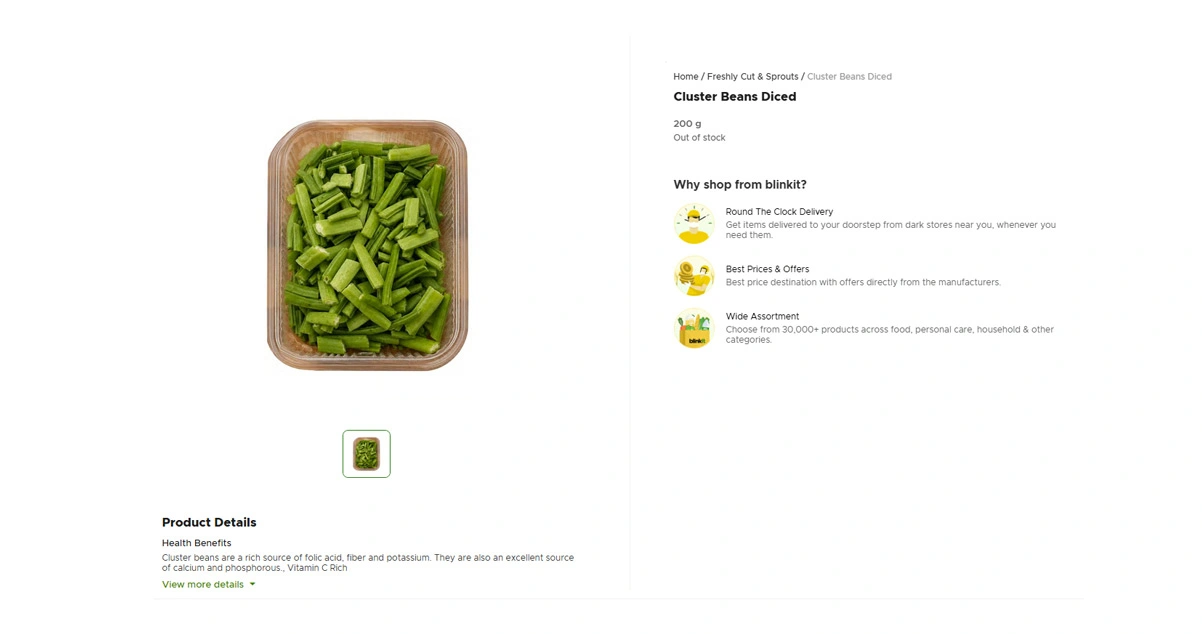
The deployment delivered measurable improvements in availability performance, operational efficiency, and cross-platform inventory intelligence.
- Stockout Reduction at Scale
By implementing continuous availability monitoring, the client achieved a significant reduction in undetected stockout periods across priority SKUs, directly recovering revenue that had previously been lost to availability gaps during peak demand windows. - Faster Replenishment Response
Automated alerts powered by Real-Time Quick Commerce Out-Of-Stock Product Data Monitoring compressed the average response time between stockout detection and replenishment initiation, enabling supply chain teams to act on availability signals within minutes rather than waiting for end-of-day reports. - Regional Performance Clarity
Granular, location-level availability data allowed leadership to identify and address underperforming fulfillment centers with precision, applying targeted interventions that improved regional shelf presence and reduced geographic disparity in product availability rates. - Cross-Platform Visibility Gains
With a unified view of availability across all monitored apps, category managers could benchmark platform-level performance, prioritize high-impact SKUs, and make informed decisions about stock allocation using structured intelligence from Quick Commerce Inventory Data Extraction Using AI.
Key Highlights
- Continuous Stock Intelligence
Delivers uninterrupted availability monitoring by using AI-Based Out-Of-Stock Product Data Scraping to track product status changes across quick commerce apps, ensuring brands always have a current, accurate picture of their shelf presence without manual intervention. - Granular Location-Level Monitoring
Enables precise, node-level availability tracking through Web Scraping Grocery Product Availability Across Mobile Apps, giving supply chain teams the geographic specificity needed to pinpoint problem zones and prioritize restocking actions effectively. - AI-Powered Early Warning System
Applies predictive intelligence to availability data streams, identifying at-risk SKUs before stockouts occur and allowing procurement and logistics teams to take preemptive action through Quick Commerce App Scraping for Inventory Monitoring for high-velocity product categories.
Use Cases

Purpose-built availability intelligence solutions that support diverse operational needs across brands, retailers, and category managers.
- Category Performance Benchmarking
Brand managers can evaluate how their products perform relative to competing SKUs across quick commerce platforms, using structured availability data to identify shelf presence gaps and build stronger category leadership strategies through continuous automated monitoring. - Fulfillment Node Optimization
Supply chain teams can assess inventory health across individual dark stores and fulfillment hubs by accessing Grocery Supermarkets Store Datasets, enabling data-backed decisions about stock allocation, replenishment frequency, and demand prioritization across regional delivery networks. - Competitive Availability Analysis
Market intelligence teams can track competitor product availability patterns across quick commerce apps, identifying windows where competing brands face stockouts and using those insights to strengthen promotional timing and availability-based positioning strategies. - New Product Launch Monitoring
Product launch teams can monitor availability performance of newly introduced SKUs from the first day of listing, using real-time data to identify early distribution failures and ensure that launch investments translate into consistent consumer-facing product access across platforms.
Client's Testimonial

Deploying Real-Time Quick Commerce Out-Of-Stock Product Data Monitoring from Mobile App Scraping completely transformed how our supply chain team responds to availability challenges. What used to take hours of manual review now happens automatically, and the early warning system built on AI-Based Out-Of-Stock Product Data Scraping has helped us prevent stockouts we never would have caught in time.
– Daniel Mercer, Head of Supply Chain Strategy
Conclusion
In the high-velocity world of quick commerce, invisible stock gaps translate directly into lost revenue, diminished brand trust, and customers won by competitors. Real-Time Quick Commerce Out-Of-Stock Product Data Monitoring equips businesses with the operational clarity to eliminate those blind spots and act on availability signals before they affect the customer experience.
With structured data flowing from every monitored platform, category managers and supply chain leaders can make faster, more confident decisions. Scrape Quick Commerce Apps for Stock Data to build a comprehensive view of your product's shelf presence, replenishment performance, and platform-level availability health across all active quick commerce channels.
Contact Mobile App Scraping today to learn how our specialized availability monitoring solutions can help your brand eliminate stock blind spots, accelerate replenishment response, and maintain a consistent, competitive presence across every quick commerce platform you operate on.