

How to Extract E-Commerce App Data Scraping in 2026 for Smarter Retail Intelligence and Insights?
Introduction
Mobile shopping dominates global digital commerce, driving enterprises to capture real-time marketplace intelligence directly from handheld platforms. Understanding how to Extract E-Commerce App Data Scraping in 2026 enables brands to monitor hyper-local pricing, dynamic flash discounts, and rapid inventory shifts across major retail ecosystems.
Unlike traditional desktop storefronts, mobile applications deploy personalized algorithms, app-exclusive coupons, and geofenced delivery availability. Relying solely on browser-based tracking leaves massive blind spots in your market visibility, resulting in delayed price adjustments and missed revenue opportunities across competitive categories.
Partnering with specialized E-Commerce App Scraping Services bridges this visibility gap effortlessly. By capturing clean, structured mobile feeds at scale, retail analysts gain the exact operational clarity required to optimize profit margins, benchmark assortment depth, and respond immediately to shifting consumer demand.
Navigating Modern Mobile Security Layers for Smarter Retail Intelligence
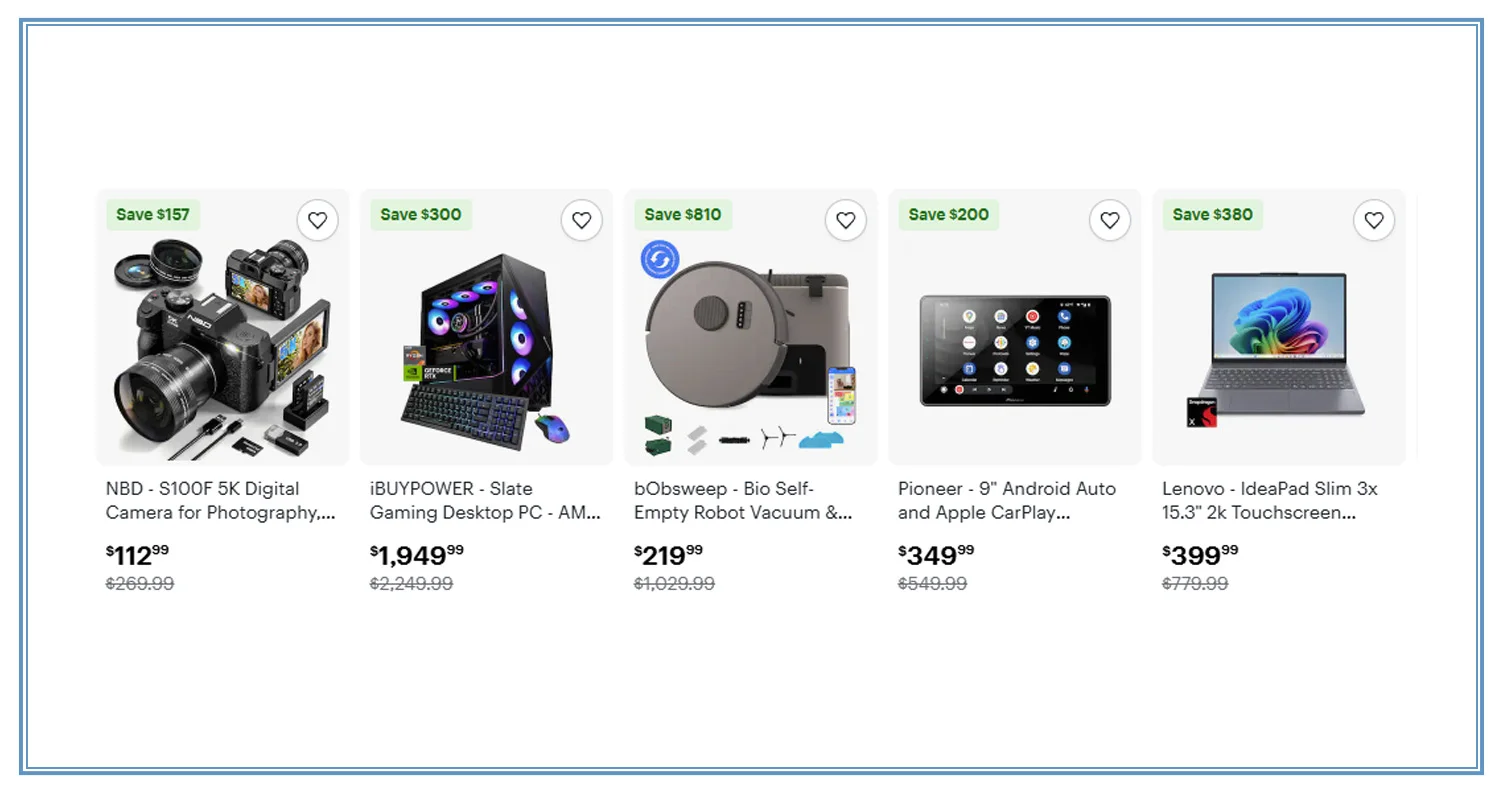
Modern retail applications protect their backend endpoints using TLS fingerprinting, SSL pinning, and behavioral device attestation. Standard HTTP requests fail immediately because mobile servers validate hardware signatures, screen resolutions, and authentic touch telemetry before serving product payloads.
According to 2026 mobile commerce benchmarks, over 74% of retail transactions occur inside native apps, yet fewer than 28% of mid-market retailers track app-exclusive pricing variations. Implementing automated E-Commerce Catalog Web Scraping alongside mobile device farms eliminates manual auditing delays and maintains 99.4% extraction uptime.
Engineering teams overcome these barriers by routing traffic through cloud-hosted Android emulators paired with residential mobile proxies, ensuring requests mimic genuine shopper sessions. When automated pipelines decrypt mobile traffic, they convert raw JSON responses into clean E-Commerce Datasets ready for immediate business intelligence ingestion.
| Extraction Method | Bypass Success Rate | Avg. Latency per Request | Primary Use Case |
|---|---|---|---|
| Headless Emulators + Residential IPs | 98.7% | 1.4 seconds | Full UI rendering & dynamic coupons |
| Direct API Interception (MITM) | 96.2% | 0.3 seconds | High-speed SKU & stock polling |
| Standard Desktop Scrapers | 19.5% | 2.1 seconds | Basic public web pages only |
- TLS Fingerprint Rotation: Emulates authentic mobile operating system handshakes to prevent automated firewall blocking.
- Dynamic IP Allocation: Routes traffic through residential carrier networks to capture accurate regional storefront pricing.
- SSL Certificate Unpinning: Safely intercepts encrypted mobile API payloads inside isolated cloud testing environments.
Sustaining reliable extraction pipelines requires continuous monitoring of app version updates and silent protocol patches. Deploying resilient E-Commerce App Data Scraping architectures guarantees that merchandising analysts receive uninterrupted daily feeds across thousands of competing mobile product pages.
Automating Real-Time Inventory and Assortment Tracking for Retail Insights
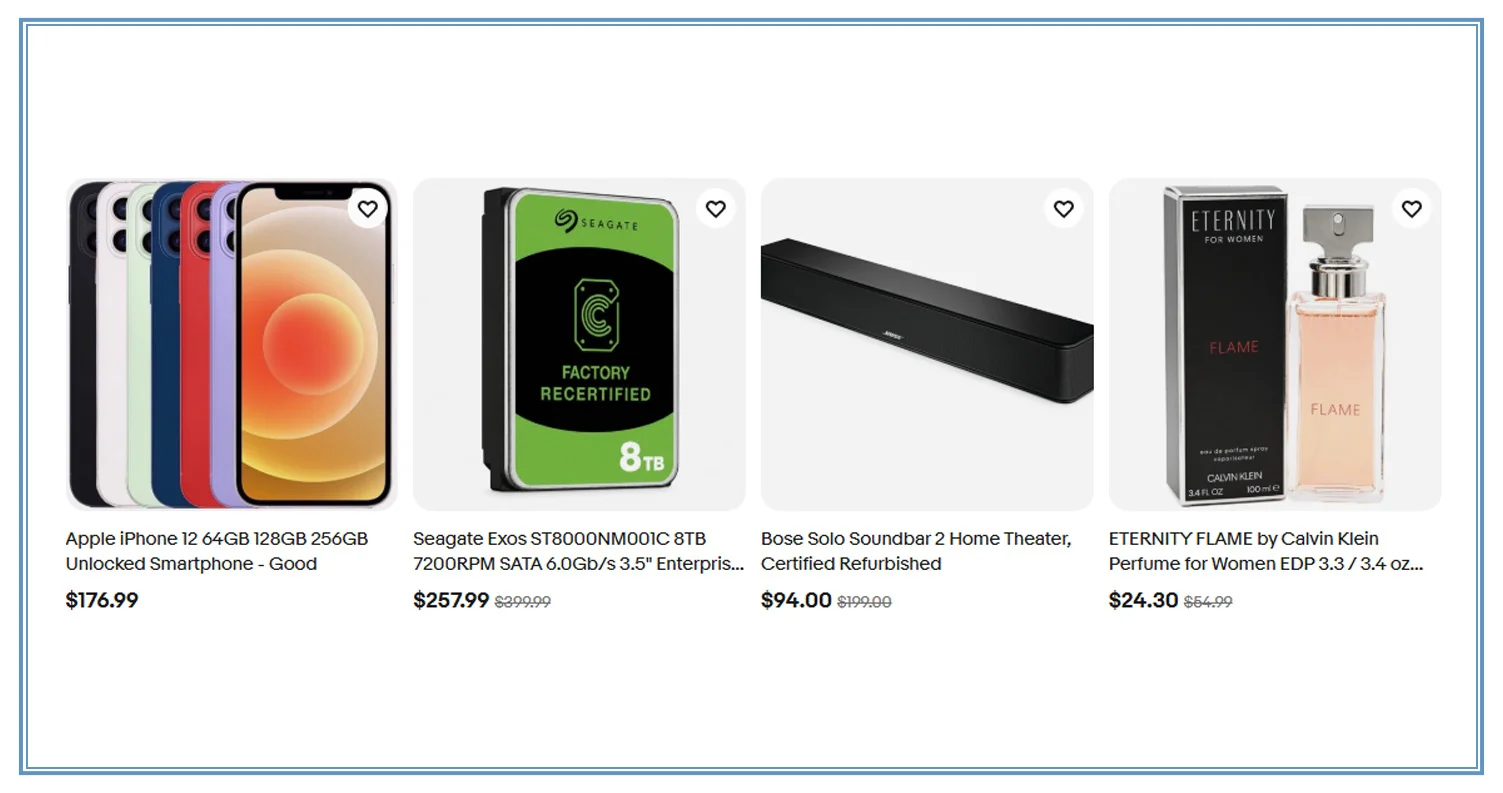
High-velocity retail categories experience dozens of micro-adjustments daily, ranging from sudden stockouts to localized surge pricing. Relying on batch weekly reports forces merchandising teams to make reactive decisions based on stale numbers across fast-moving regional markets.
Modern extraction workflows schedule continuous polling intervals across targeted ZIP codes, capturing exact warehouse availability and regional assortment variations before competitors adjust their strategies. Integrating a scalable E-Commerce Scraper API allows engineering teams to normalize inconsistent product attributes—such as size variants, seller ratings, and fulfillment timelines—directly into centralized data warehouses.
Industry studies indicate that retailers utilizing automated SKU monitoring reduce out-of-stock revenue losses by 34% while accelerating new product onboarding by 45%. Furthermore, engineering pipelines built to Scrape Ecommerce API Data cleanly separate sponsored ad placements from organic search rankings, revealing true category share-of-voice across leading marketplaces.
| Data Point Tracked | Recommended Polling Frequency | Business Impact Metric |
|---|---|---|
| App-Exclusive Flash Prices | Every 15 minutes | +18% margin protection |
| Hyper-Local Stock Availability | Every 30 minutes | -34% stockout revenue loss |
| Organic vs. Sponsored Search Rank | Every 4 hours | +22% ad spend efficiency |
- Geofenced Stock Audits: Monitors hyper-local fulfillment center availability across dozens of metropolitan delivery zones.
- Variant Attribute Mapping: Standardizes complex color, size, and bundle configurations across competing retail platforms.
- Sponsored Placement Separation: Distinguishes paid advertising slots from organic category rankings inside search feeds.
Maintaining granular visibility into competitor stock movements prevents costly overstocking and missed promotional windows. Utilizing structured E-Commerce Competitor Data Extraction empowers supply chain planners to anticipate regional demand spikes and optimize inventory allocation across every active sales channel.
Transforming Raw Mobile Feeds into Actionable Retail Pricing Intelligence
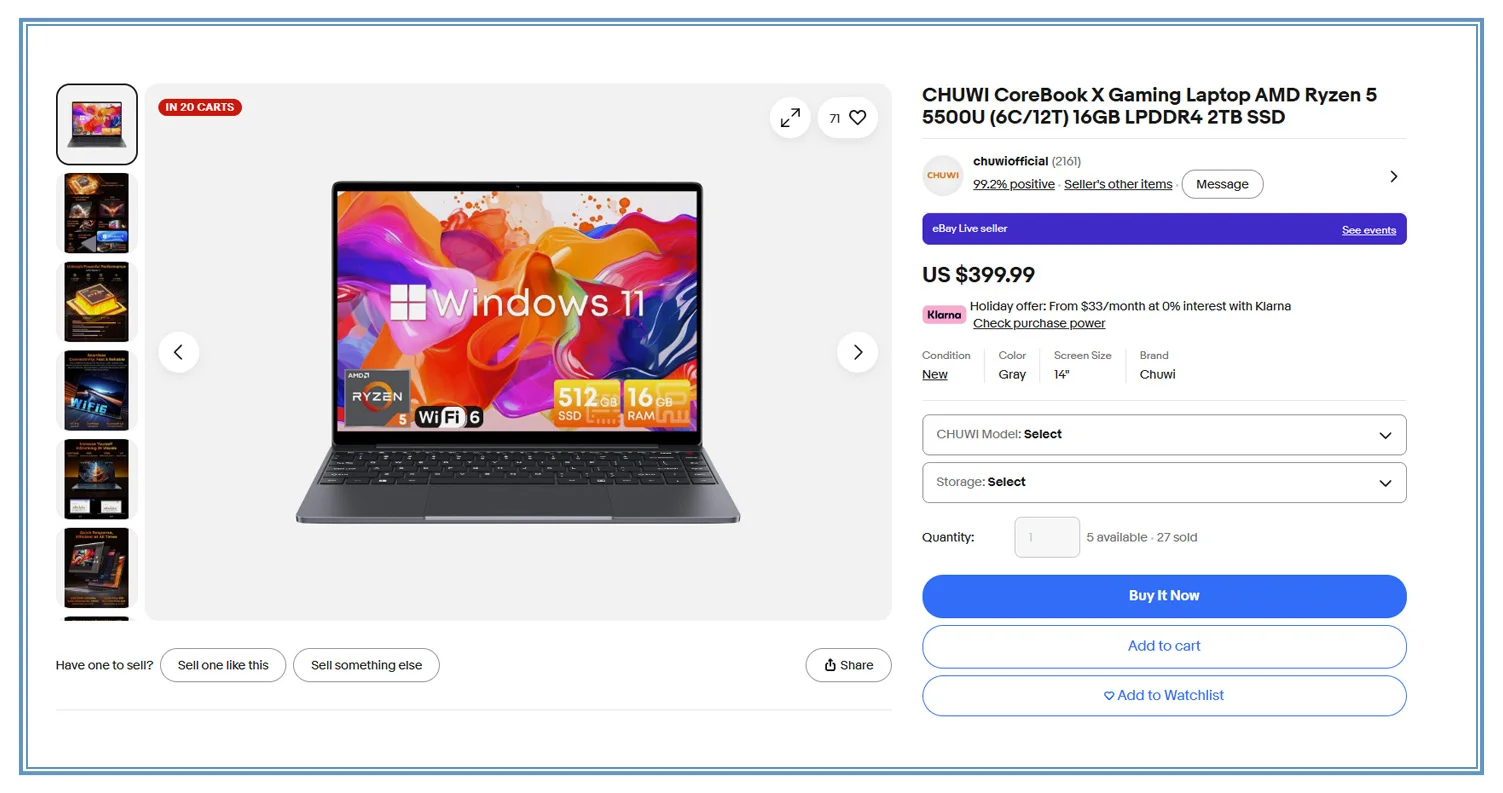
Raw JSON files hold minimal value until analytics teams transform them into actionable commercial workflows. Once mobile feeds flow into business intelligence dashboards like Power BI or Tableau, machine learning models detect competitor discounting patterns, bundle promotions, and seasonal clearance cycles.
Recent retail analytics reports confirm that companies utilizing automated E-Commerce Competitor Data Extraction achieve 21% higher gross margins during peak shopping events compared to peers relying on manual price checks. Instead of engaging in destructive price wars, your commercial teams pinpoint exact SKU gaps where premium pricing remains sustainable.
Merchandising leaders use these signals to automate dynamic repricing rules that protect unit economics while preserving price competitiveness. Executing continuous Pricing Intelligence Data Scraping empowers brands to correlate customer review sentiment with sudden price hikes or delivery fee adjustments across key categories.
| Analytics Workflow | Data Input Source | Strategic Outcome |
|---|---|---|
| Dynamic Repricing Engine | Real-time competitor SKU prices | Automated margin-safe price matching |
| Assortment Gap Matrix | Regional catalog & brand listings | High-demand private label expansion |
| Sentiment-Price Correlation | Verified buyer reviews & star ratings | Early detection of product quality issues |
- Automated Margin Guardrails: Triggers instant price updates while enforcing strict minimum profit thresholds per SKU.
- Promotional Cycle Forecasting: Identifies recurring weekend flash sales and loyalty-tier discount patterns across rival apps.
- Review Sentiment Correlation: Links sudden rating drops with competitor price cuts or shipping delays.
Connecting real-time pricing telemetry with historical sales velocity unlocks smarter promotional planning throughout the fiscal year. Adopting unified E-Commerce Catalog Web Scraping workflows ensures commercial teams align assortment breadth with profitable pricing strategies across every digital storefront.
How Mobile App Scraping Can Help You?
Building resilient mobile data pipelines transforms how retail enterprises evaluate market positioning and customer behavior. Knowing precisely how to Extract E-Commerce App Data Scraping in 2026 gives commercial teams direct access to app-only discounts, hyper-local stock levels, and verified buyer sentiment without manual research bottlenecks.
We provide:
- Capture App-Only Discounts: Monitor hidden promotional codes and loyalty-tier pricing invisible on standard desktop websites.
- Track Hyper-Local Inventory: Verify exact product availability and delivery windows across specific regional pin codes.
- Benchmark Search Visibility: Measure organic product rankings versus paid sponsored placements inside mobile search results.
- Monitor Seller Performance: Evaluate third-party merchant ratings, fulfillment speeds, and buy-box ownership shifts.
- Analyze Customer Sentiment: Aggregate thousands of verified mobile reviews to spot emerging product defects early.
- Accelerate Catalog Expansion: Identify trending competitor SKUs and assortment gaps across high-growth retail categories.
Combining automated mobile pipelines with structured E-Commerce App Data Scraping ensures your pricing, merchandising, and supply chain teams operate on verified market facts every single day.
Conclusion
Sustainable retail growth depends on seeing the exact digital storefront your mobile customers experience every day. Implementing automated workflows to Extract E-Commerce App Data Scraping in 2026 eliminates blind spots caused by app-exclusive promotions, dynamic regional pricing, and rapid inventory fluctuations.
When your internal analytics run on clean, verified mobile intelligence, merchandising teams make faster decisions that protect profit margins and capture market share across competitive categories. Transitioning away from manual tracking toward scalable E-Commerce Competitor Data Extraction positions your organization to anticipate market shifts before rivals react.
Whether you manage thousands of fast-moving consumer SKUs or benchmark regional delivery availability, reliable mobile pipelines turn fragmented app data into measurable commercial advantage. Partner with Mobile App Scraping today to deploy custom mobile scraping pipelines tailored to your retail intelligence goals.