How Does Retail & E-Commerce Product Price and Availability Scraping Improve Retail Monitoring?
Introduction
Retail teams compete across marketplaces where prices, discounts, and stock positions can change throughout the day. Retail & E-Commerce Product Price and Availability Scraping creates a structured view of these shifts, helping teams compare listings, identify gaps, and interpret market movement. This supports faster decisions across merchandising, operations, and category management.
A centralized workflow can capture product names, current prices, sale prices, availability signals, seller details, and timestamps across online sources. These records can feed E-Commerce Datasets for comparisons and trend analysis. Instead of reviewing pages manually, analysts can work with consistent fields that support recurring reports, dashboards, and competitive assessments.
The value becomes clearer when pricing and inventory signals are connected. A lower price means little if an item is unavailable, while strong availability may lose demand when competitors offer better pricing. Continuous collection brings dimensions together, enabling retailers to evaluate assortment health, promotional movement, and market positioning with evidence.
Strengthening Price Visibility Across Competitive Retail Channels
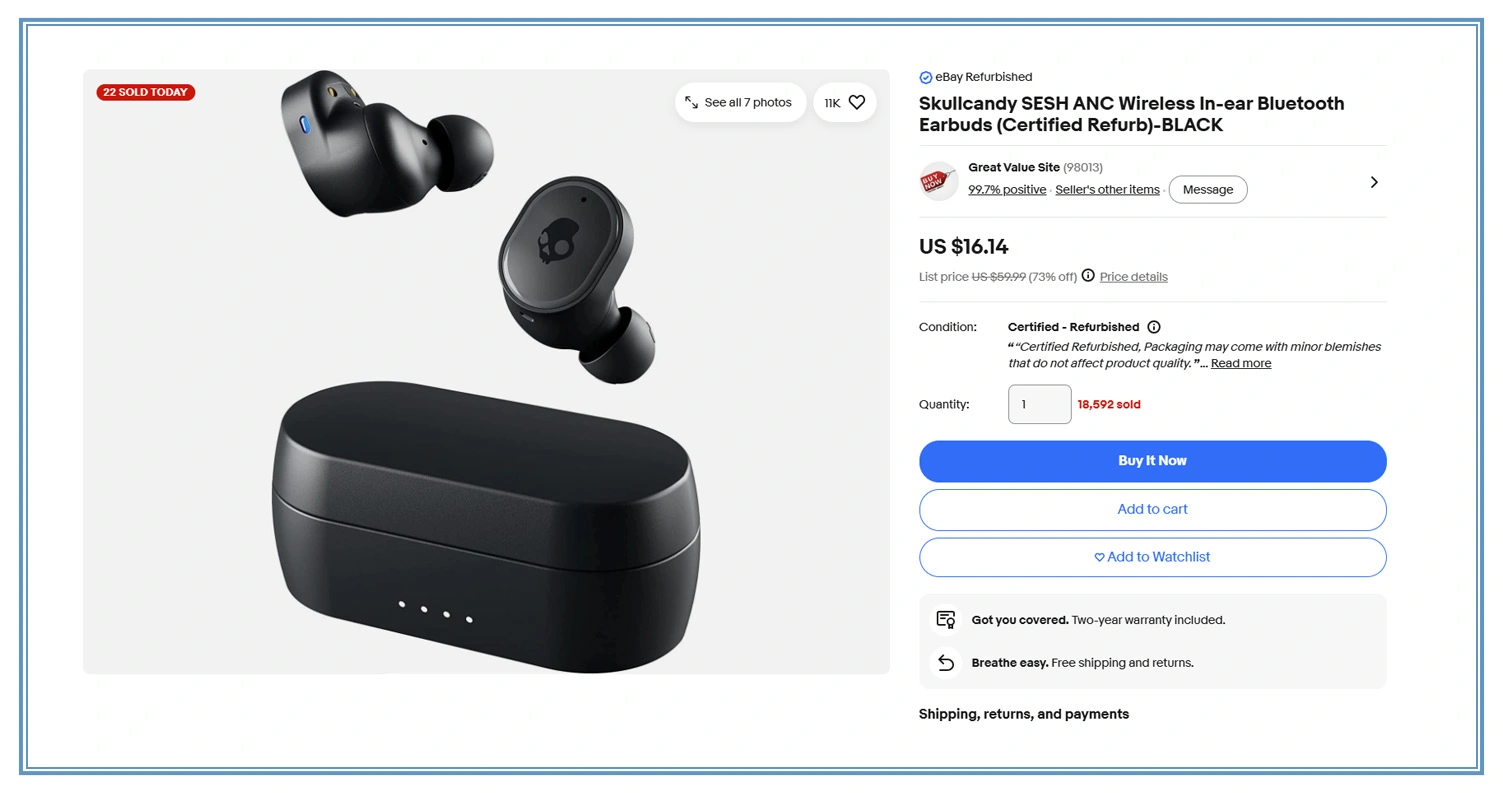
Retail price monitoring becomes more effective when product information is collected consistently across competing marketplaces. Retail Web Scraping for Price and Product Intelligence can organize product identifiers, listed prices, promotional values, seller information, and related attributes into structured records. This gives pricing teams a clearer view of market movements and supports more informed comparisons across categories and competing listings.
Price fluctuations can occur because of promotions, demand changes, seller adjustments, or marketplace strategies. Dynamic Pricing Solutions can use these observations to understand how competing offers move over time and identify situations requiring pricing review. Instead of depending on occasional manual checks, retailers can establish recurring collection schedules and compare current observations with historical records to identify unusual changes.
Key areas to monitor include:
- Product price changes
- Promotional price movements
- Seller-level price differences
- Discount frequency
- Category-level pricing patterns
- Historical price variations
Several operational indicators can help teams interpret pricing activity more effectively. Monitoring the depth of discounts, frequency of changes, differences between sellers, and movement across comparable products can reveal patterns that are difficult to recognize through isolated observations. These insights can also support category managers when reviewing promotional effectiveness and competitive positioning.
| Monitoring Area | Business Relevance |
|---|---|
| Price movement | Competitive comparison |
| Discount changes | Promotion assessment |
| Seller variation | Marketplace evaluation |
| Historical records | Trend identification |
Improving Availability Visibility For Faster Retail Decisions
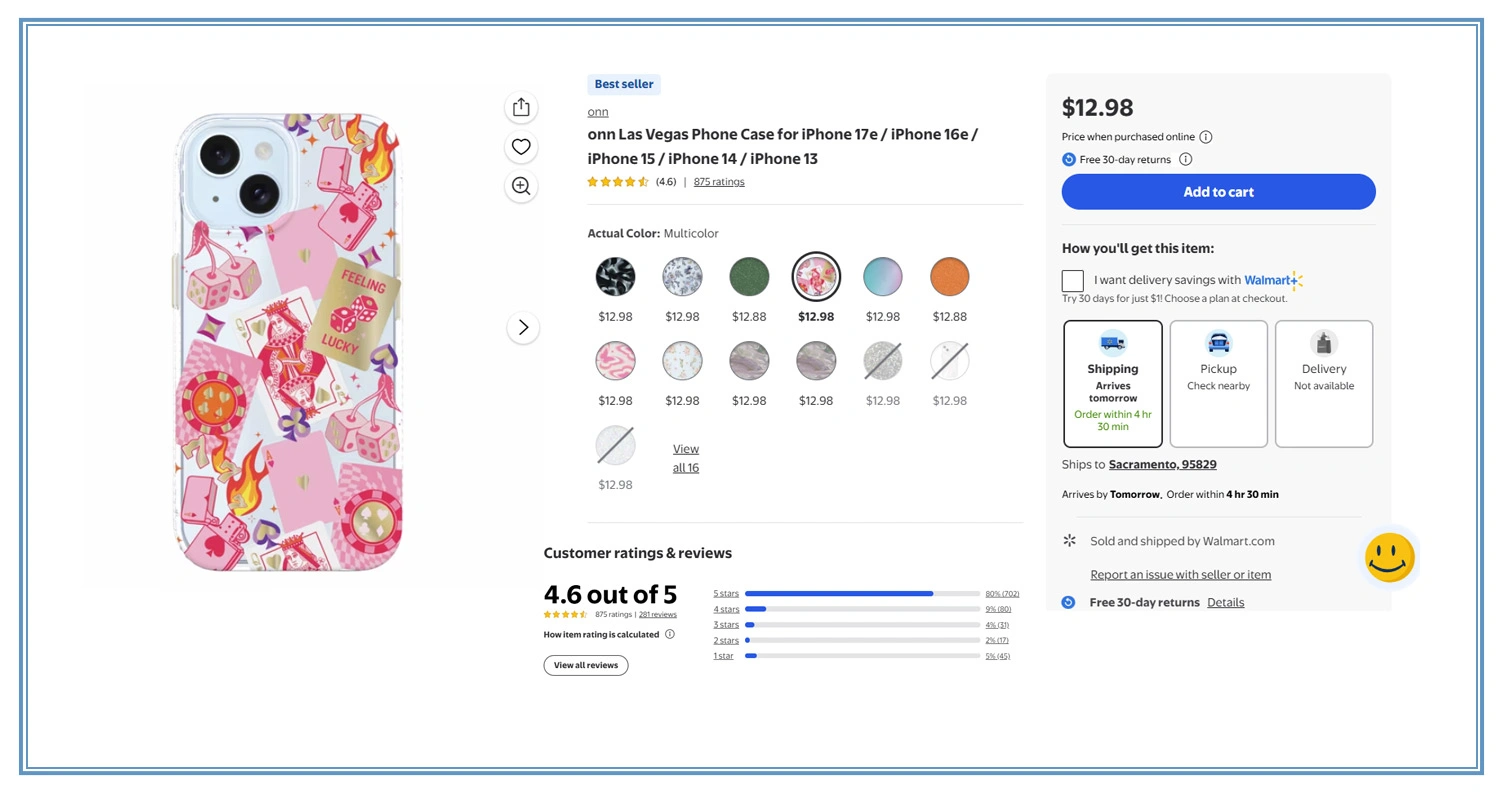
Availability monitoring becomes valuable when retailers need to understand where products are consistently accessible or unavailable. Automated Retail Data Extraction From E-Commerce Websites can collect stock indicators, delivery information, seller details, and timestamps at defined intervals. This creates structured observations that help teams identify recurring availability gaps instead of relying on occasional website reviews.
Stock information can change rapidly across locations, fulfillment centers, sellers, and delivery zones. End-To-End E-Commerce Data Scraping for Retail Analytics can bring these signals together with product-level records, allowing analysts to compare availability patterns across channels and categories. Repeated observations can help identify products that frequently move between available and unavailable states.
Important availability indicators include:
- In-stock and out-of-stock status
- Availability by location
- Delivery availability
- Stockout duration
- Seller availability
- Availability change frequency
Teams can examine stockout duration, location-specific availability, delivery status, and changes in fulfillment information to understand potential customer-facing issues. E-Commerce Data Scraping Services can structure these signals for dashboards and reports without manual checks. When these signals are reviewed alongside product and seller information, retailers can prioritize categories that require replenishment attention or closer operational observation.
| Availability Area | Business Relevance |
|---|---|
| Stock status | Inventory visibility |
| Delivery signal | Fulfillment assessment |
| Location coverage | Regional comparison |
| Stockout duration | Replenishment review |
Connecting Pricing And Availability With Retail Actions

Retail monitoring becomes more useful when pricing and availability observations are evaluated together. Real-Time Retail Price Monitoring Through Web Scraping can provide frequently updated price observations that help teams compare competitive movements with product availability. This combined perspective allows analysts to determine whether pricing changes occur alongside stock fluctuations, promotional activity, or broader marketplace movements.
When competitors reduce prices while maintaining strong availability, retailers may need to reassess their market positioning. Similarly, a competitor with frequent stockouts may present an opportunity for alternative products to receive greater attention. Price Monitoring Services can help organize recurring observations and generate structured information for teams responsible for pricing, merchandising, category planning, and competitive analysis.
Useful retail action areas include:
- Compare competitor pricing
- Review stockout patterns
- Assess promotional movements
- Identify competitive gaps
- Prioritize high-change products
- Evaluate category performance
Historical monitoring further improves interpretation because individual observations may not represent long-term conditions. Repeated records can reveal recurring price movements, persistent availability problems, promotional cycles, and category-level changes. Retail teams can use these patterns to prioritize investigations, compare marketplace performance, and determine which product groups require closer monitoring.
| Combined Signal | Business Relevance |
|---|---|
| Price plus stock | Market assessment |
| Discount plus availability | Promotion review |
| Competitor movement | Positioning analysis |
| Historical changes | Trend evaluation |
How Mobile App Scraping Can Help You?
Retailers increasingly use mobile channels to observe shopping behavior, location-aware availability, and fast-changing product information. As these channels expand, Retail & E-Commerce Product Price and Availability Scraping can complement broader web collection by capturing mobile-facing product signals and supporting consistent monitoring across customer touchpoints across digital retail operations. This helps teams compare app and website information when prices or stock differ.
Key ways we can support retail monitoring:
- Track product availability across locations
- Capture changing prices and promotions
- Compare product assortment between channels
- Identify recurring stockout patterns
- Monitor seller and delivery information
- Create structured records for analysis
When mobile signals are added to wider workflows, E-Commerce Data Extraction for Business Intelligence can help teams combine product, price, availability, and timestamp data for reporting. This creates a fuller operational picture, supports faster exception handling, and helps analysts connect customer-facing changes with merchandising, inventory, pricing, and competitive decisions with greater context.
Conclusion
Retail monitoring works best when price and availability signals are viewed together rather than treated as separate operational tasks. Retail & E-Commerce Product Price and Availability Scraping provides structured observations that can support assortment reviews, competitor comparisons, promotional evaluation, and stockout analysis. With recurring collection, teams can build historical views and identify meaningful changes before they affect broader retail decisions and competitive planning across channels, categories, and locations with greater confidence effectively.
A reliable data workflow also improves how teams turn scattered marketplace signals into usable reports. E-Commerce Data Extraction for Business Intelligence can organize product, pricing, availability, seller, and timestamp fields for dashboards and recurring analysis. This makes monitoring more consistent while supporting merchandising and inventory teams. Connect with Mobile App Scraping today to build a tailored product price and availability monitoring solution.