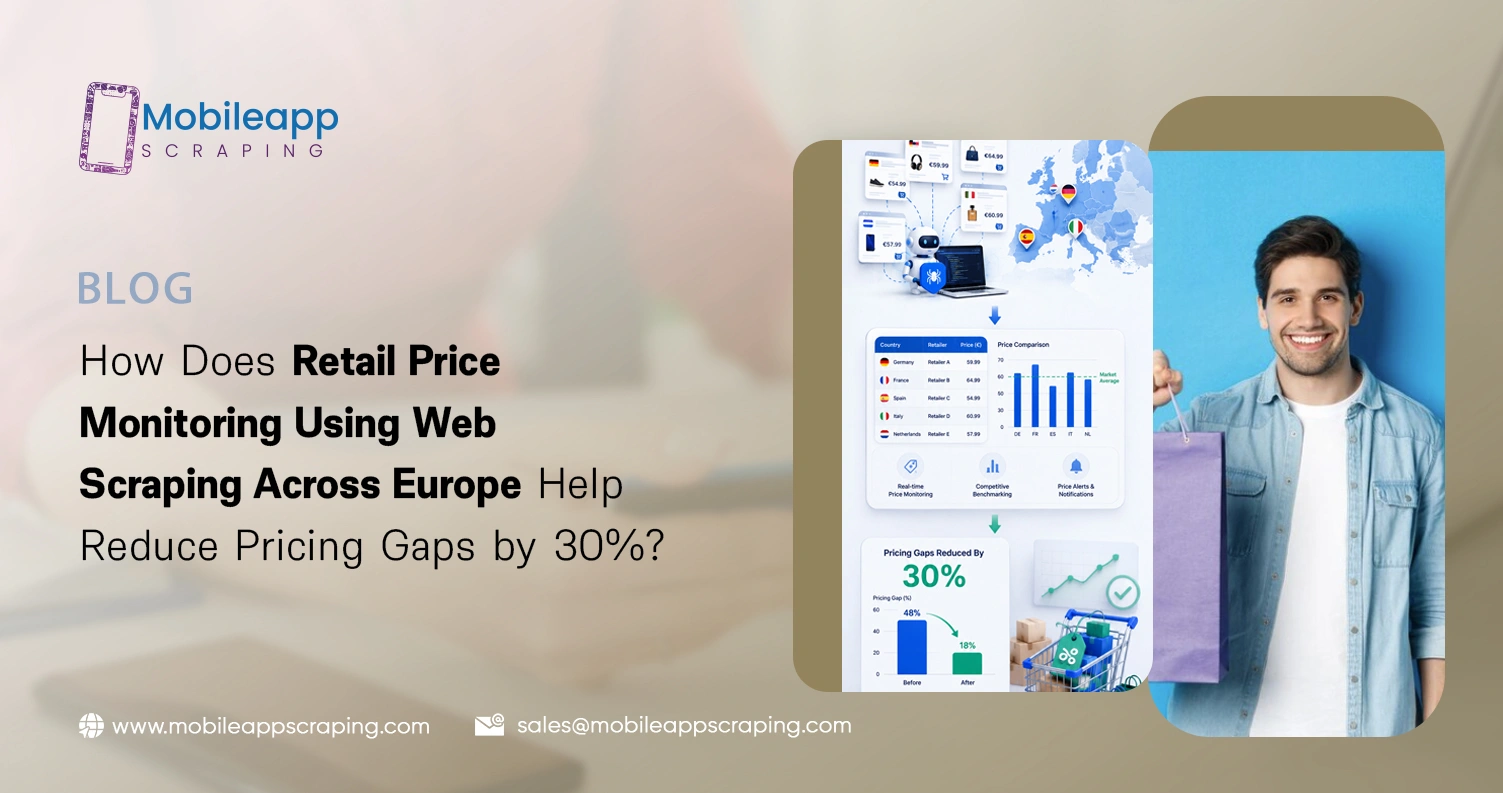
How Does Retail Price Monitoring Using Web Scraping Across Europe Help Reduce Pricing Gaps by 30%?
Introduction
The European retail landscape has become increasingly competitive as consumers compare prices across multiple marketplaces, websites, and mobile applications before making purchasing decisions. Retailers operating in countries such as Germany, France, Spain, Italy, and the United Kingdom often face significant pricing inconsistencies that impact sales, customer loyalty, and profit margins. These pricing gaps can emerge due to regional demand fluctuations, promotional campaigns, inventory levels, and competitor strategies.
As a result, businesses require continuous visibility into market pricing trends to remain competitive. Modern data-driven retailers are adopting Retail Price Monitoring Using Web Scraping Across Europe to collect accurate pricing information from numerous digital channels in real time. This approach enables organizations to identify discrepancies, evaluate competitor movements, and adjust pricing strategies proactively.
By utilizing E-Commerce Data Extraction, retailers can gather structured information from various online sources and transform it into actionable intelligence. Retailers that implement advanced price intelligence solutions are better positioned to respond to market changes, optimize revenue, and maintain pricing consistency across regions. The result is improved competitiveness, enhanced customer trust, and measurable reductions in pricing gaps that can significantly impact overall business performance.
Building Consistent Pricing Strategies Across European Markets
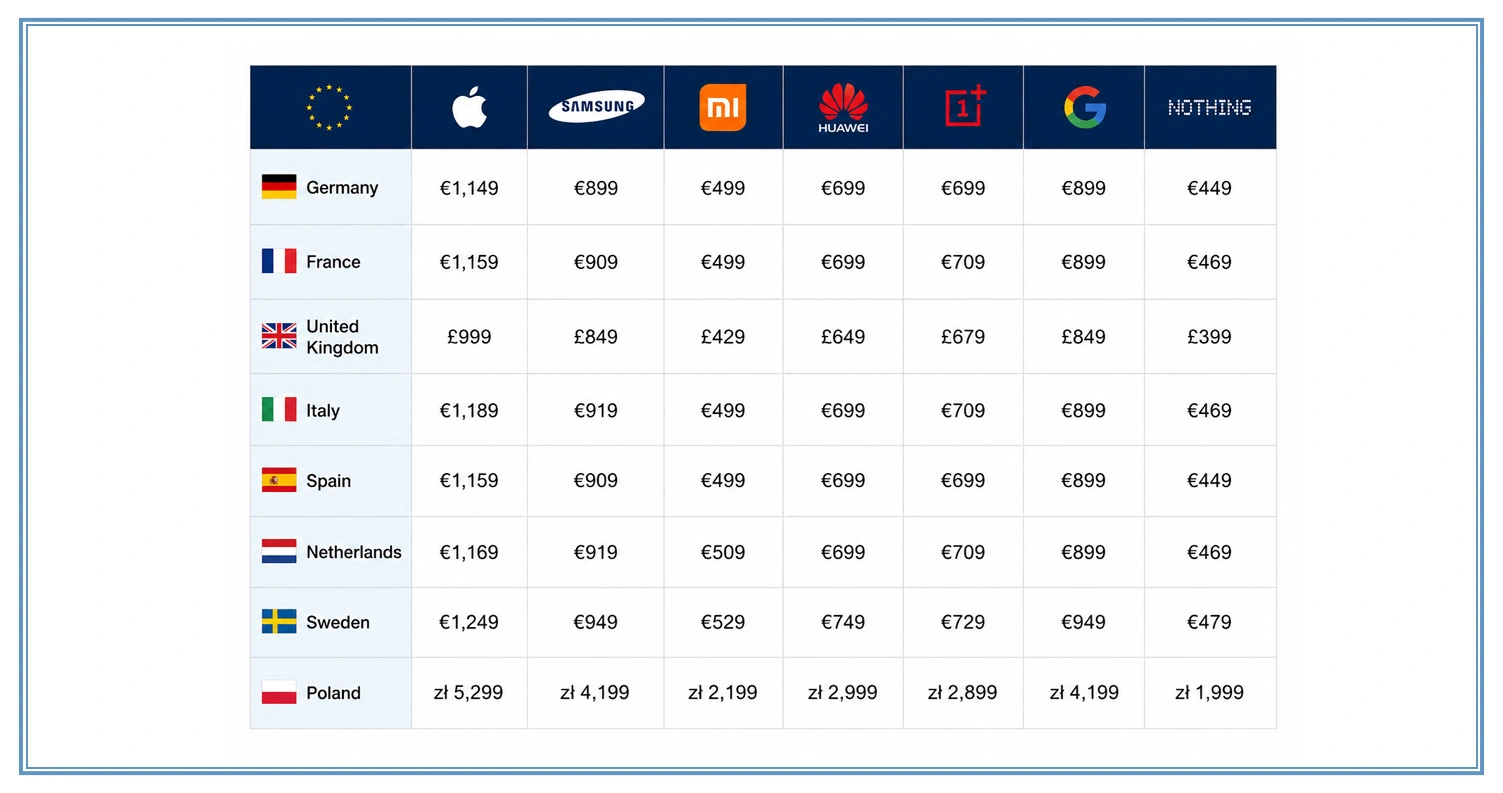
Retailers operating across Europe frequently encounter pricing inconsistencies caused by regional demand fluctuations, tax structures, currency variations, and localized promotional campaigns. These differences can create confusion among consumers and reduce profitability when pricing decisions are made without comprehensive market visibility.
Organizations that implement structured monitoring frameworks can identify unusual pricing changes before they affect customer purchasing behavior. One of the most effective approaches involves analyzing E-Commerce Datasets, which provide detailed information regarding product pricing, promotions, and category performance across numerous online channels.
Businesses can further strengthen market analysis through Extract Competitor Price for Analysis Across the Europe, allowing teams to benchmark pricing strategies against competing retailers and identify products requiring immediate adjustment. This proactive approach supports stronger pricing governance while minimizing revenue leakage.
| Pricing Challenge | Business Benefit |
|---|---|
| Regional price differences | Better pricing consistency |
| Delayed market visibility | Faster response times |
| Margin erosion | Improved profitability |
| Promotional conflicts | Stronger campaign management |
| Customer price concerns | Enhanced consumer trust |
By continuously evaluating pricing performance, retailers can maintain competitive positioning while reducing operational inefficiencies associated with manual monitoring processes. These datasets support better decision-making by highlighting regional pricing differences and revealing opportunities for optimization.
Strengthening Market Intelligence Through Automated Monitoring
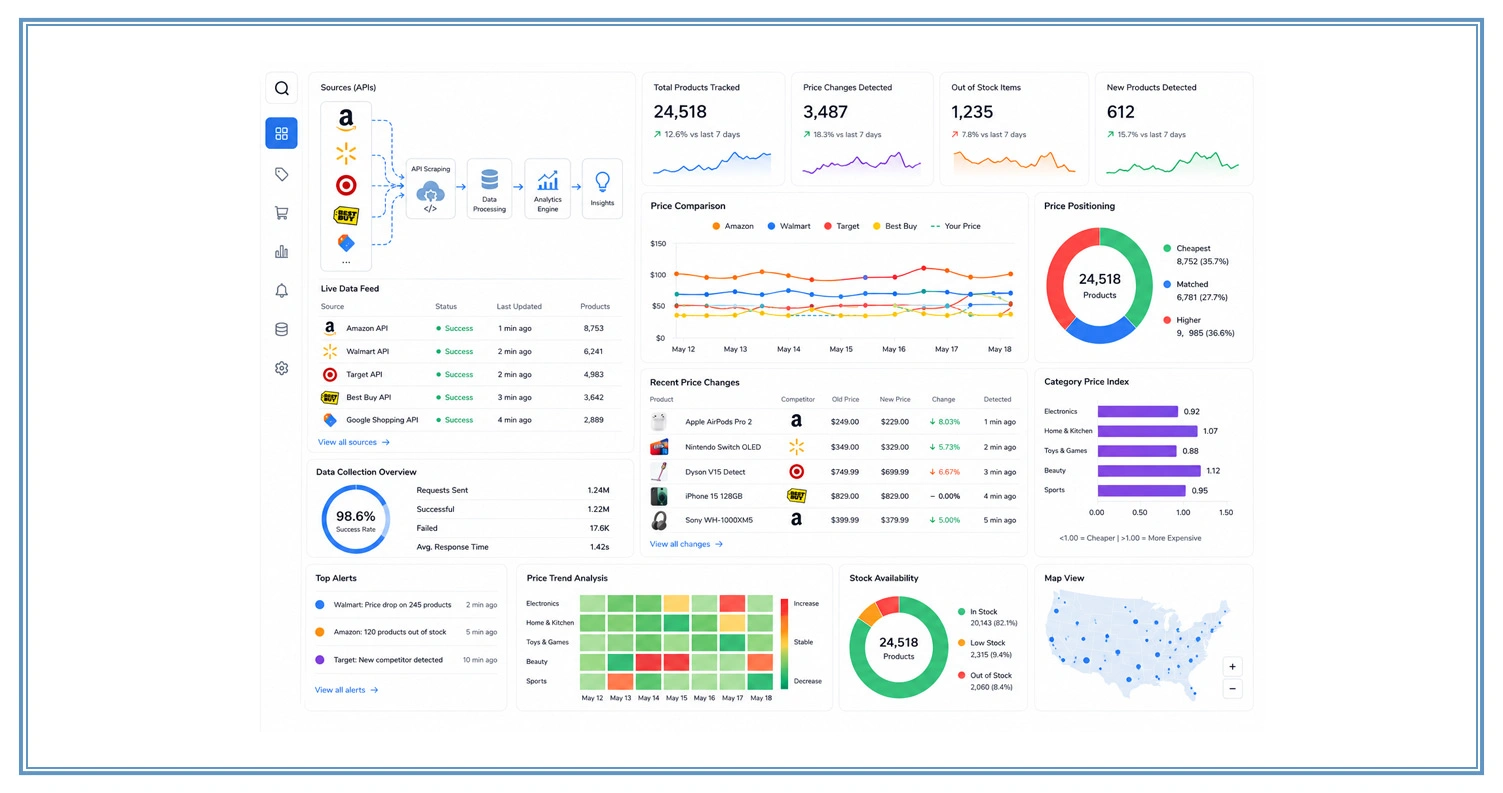
As competition intensifies across the European retail sector, businesses require faster access to competitor insights and market developments. Traditional manual monitoring methods often fail to keep pace with rapidly changing online prices, promotions, and inventory updates. Modern retailers increasingly rely on automated intelligence solutions that provide real-time visibility into competitor activities.
These systems collect and organize information from multiple digital channels, helping businesses evaluate pricing trends, promotional strategies, and assortment changes. Through Android App Scraping, organizations can collect pricing and promotional information directly from mobile retail applications where exclusive discounts and limited-time offers frequently appear.
Advanced analytics become even more valuable when supported by Retail Competitor Intelligence Data Analytics Using API Scraping, which enables retailers to transform collected data into actionable insights. By analyzing competitor movements, organizations can identify emerging trends, optimize pricing structures, and improve strategic planning.
| Intelligence Area | Strategic Outcome |
|---|---|
| Competitor pricing analysis | Improved market positioning |
| Promotion monitoring | Better campaign effectiveness |
| Inventory tracking | Stronger planning accuracy |
| Assortment evaluation | Enhanced category management |
| Market trend analysis | Faster strategic decisions |
Retailers that adopt automated monitoring technologies often reduce manual workload significantly while increasing responsiveness to market changes. As a result, organizations can make more informed decisions and maintain a stronger competitive presence across European markets.
Improving Product-Level Decisions With Continuous Insights
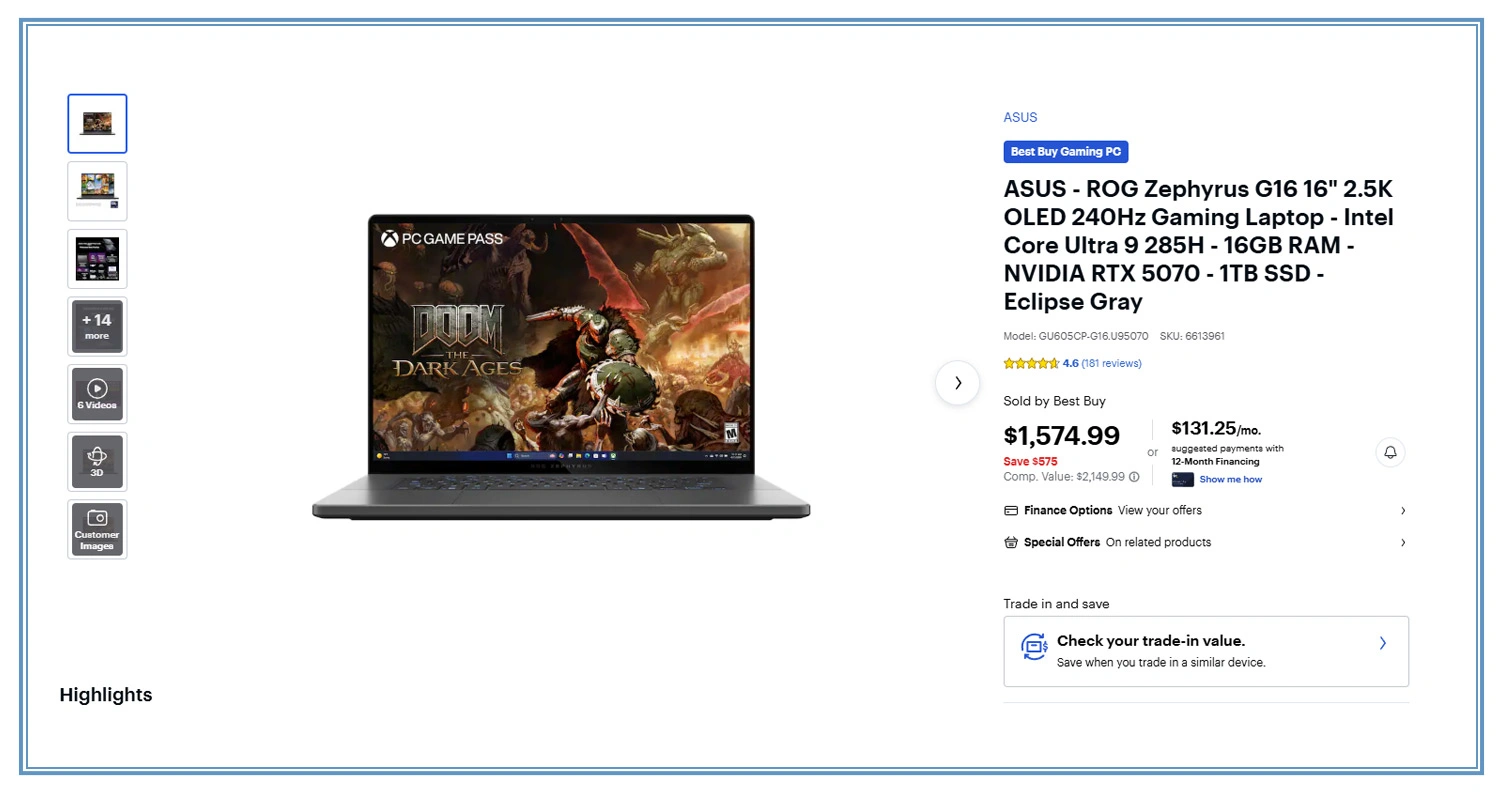
Accurate product-level intelligence plays a critical role in helping retailers manage pricing performance and market competitiveness. Comprehensive monitoring programs provide retailers with access to real-time information that supports more precise pricing adjustments and category management initiatives. The rapid growth of mobile shopping has increased the value of iOS App Scraping, allowing organizations to collect information directly from Apple-based retail applications.
Since many retailers promote app-exclusive offers and personalized discounts, monitoring these channels contributes to a more complete view of market activity and customer-facing pricing strategies. To strengthen product intelligence efforts, retailers often implement Competitor Product Monitoring via Scraped Datasets, enabling detailed comparisons of product availability, pricing trends, discount activity, and assortment changes.
This information helps organizations optimize pricing decisions while improving category performance. In addition, businesses can enhance operational efficiency through Automated Retail Pricing Analytics Using Scraped Data, which supports faster analysis of large product catalogs and delivers actionable insights for strategic planning.
| Monitoring Focus | Business Value |
|---|---|
| Product price tracking | Improved pricing accuracy |
| Stock availability analysis | Better inventory planning |
| Promotion observation | Faster campaign response |
| Product comparison | More effective benchmarking |
| Category performance review | Enhanced decision-making |
Continuous product intelligence enables retailers to maintain pricing competitiveness, improve operational performance, and adapt quickly to changing consumer expectations across European markets.
How Mobile App Scraping Can Help You?
Modern retailers increasingly rely on mobile commerce platforms to engage customers and launch exclusive promotions. Organizations utilizing Retail Price Monitoring Using Web Scraping Across Europe can combine website and app intelligence to achieve a more complete understanding of market conditions.
Key advantages include:
- Track promotional updates across multiple retail applications.
- Monitor product availability changes in real time.
- Identify emerging pricing trends faster than manual methods.
- Compare regional offers across different markets.
- Improve category-level competitive analysis.
- Support dynamic pricing decision-making processes.
These capabilities help retailers respond more effectively to changing market conditions while improving pricing consistency and operational efficiency. Businesses also benefit from Retail Competitor Intelligence Data Analytics Using API Scraping, which strengthens competitive benchmarking and supports more accurate strategic planning.
Conclusion
European retailers continue to face increasing pressure to maintain competitive pricing while protecting profitability. By implementing Retail Price Monitoring Using Web Scraping Across Europe, businesses can reduce pricing gaps, improve consistency across regions, and make faster data-driven decisions that support long-term growth.
Organizations that utilize Automated Retail Pricing Analytics Using Scraped Data gain deeper market visibility, stronger competitive intelligence, and enhanced pricing precision. Ready to transform your pricing strategy with actionable retail intelligence? Contact Mobile App Scraping today to build a customized monitoring solution for your business.