
How to Scrape Course Listings, Ratings, and Categories From Alura to analyze 70% trending skills?
Introduction
The modern education landscape is evolving at a rapid pace, driven by digital transformation and online learning platforms. Scrape Course Listings, Ratings, and Categories From Alura to analyze what skills are trending and understand which subjects are capturing learners’ attention the most. This approach allows educators, EdTech startups, and course creators to align their offerings with real-time learning patterns.
The Alura platform hosts thousands of courses spanning multiple domains, and with structured scraping, data analysts can decode valuable insights that fuel content development, marketing, and educational strategies. When combined with App Data Scraping Services, this process becomes even more powerful, offering granular visibility into market shifts, rating variations, and topic trends.
The resulting intelligence can guide EdTech companies to make data-driven curriculum updates, prioritize course topics, and optimize course pricing. Ultimately, analyzing such datasets helps stakeholders understand learner intent and growth potential across disciplines, paving the way for smarter decision-making and superior user experiences in online education.
Evaluating Learning Data Patterns for Smarter Decisions
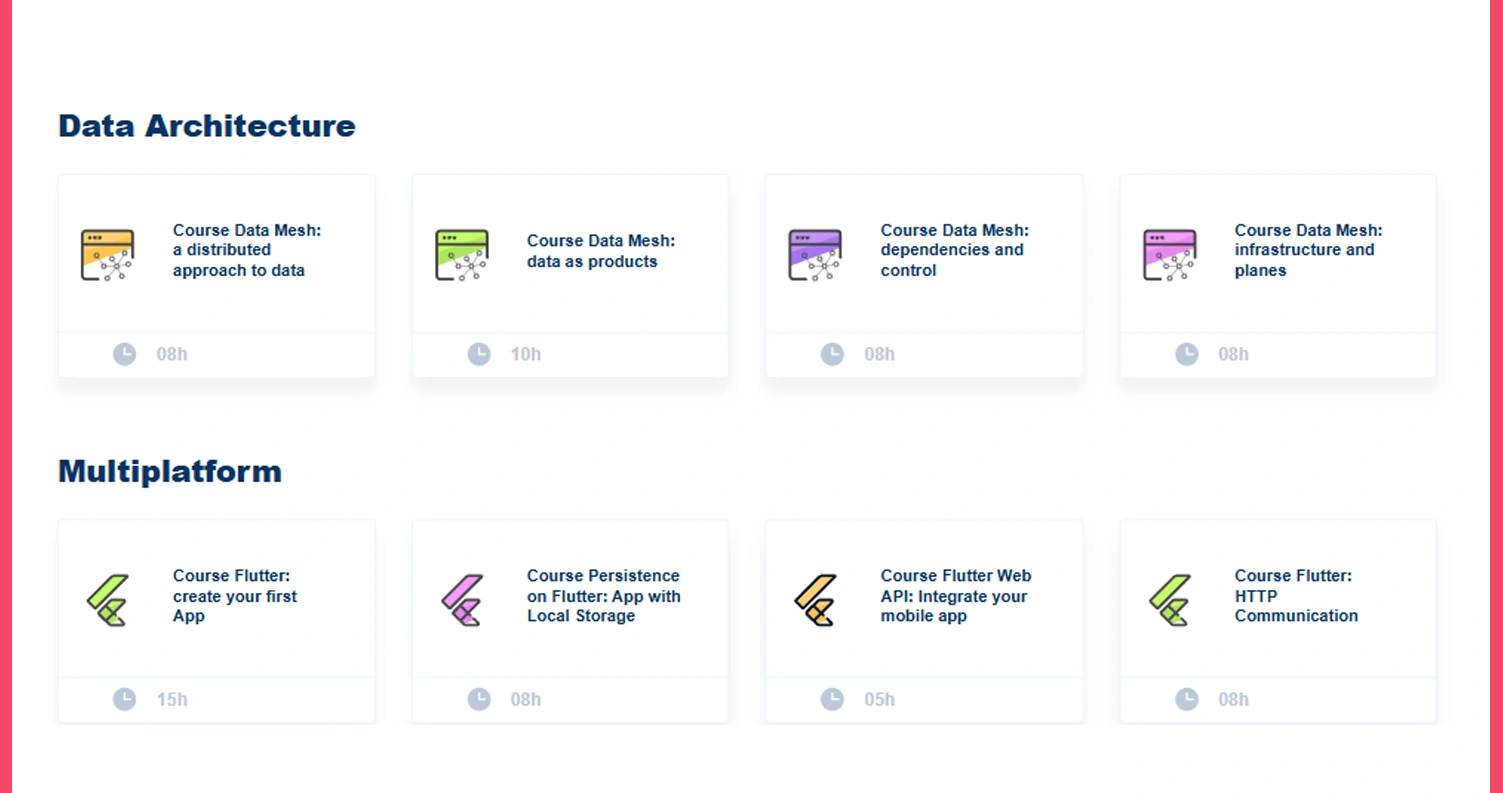
Understanding educational data requires identifying what drives learners’ engagement. When institutions analyze course listings, ratings, and categories, they gain clarity on what influences popularity and learner satisfaction. This insight helps education providers, content creators, and EdTech companies tailor their curriculum according to what students value most.
Modern educational platforms depend heavily on quantitative insights to stay competitive. Through Extracting Course Performance and Learner Insights From Alura, teams can break down complex datasets into understandable patterns that reflect real learning behaviors. For example, rising enrollment in creative and technical domains highlights industry demands and evolving learner aspirations.
The process involves examining parameters like course ratings, enrollment volumes, and user reviews to determine which subjects are gaining traction. Once analyzed, these data points create opportunities for forecasting learner demand and optimizing course delivery.
| Metric | Description | Example |
|---|---|---|
| Course Category | Group of related topics | Marketing, Coding, Design |
| Average Rating | Learner satisfaction level | 4.5 / 5 |
| Enrollment Count | Measure of course reach | 18,000+ learners |
| Review Volume | Student feedback indicator | 1,500+ reviews |
Such structured information ensures educators can visualize growth areas and understand where to improve content quality. The ability to connect learner engagement to category strength empowers institutions to plan, market, and innovate effectively. Data-driven insights have become the cornerstone of strategic decision-making for the evolving education landscape.
Automating Course Data Structuring for Deep Insights
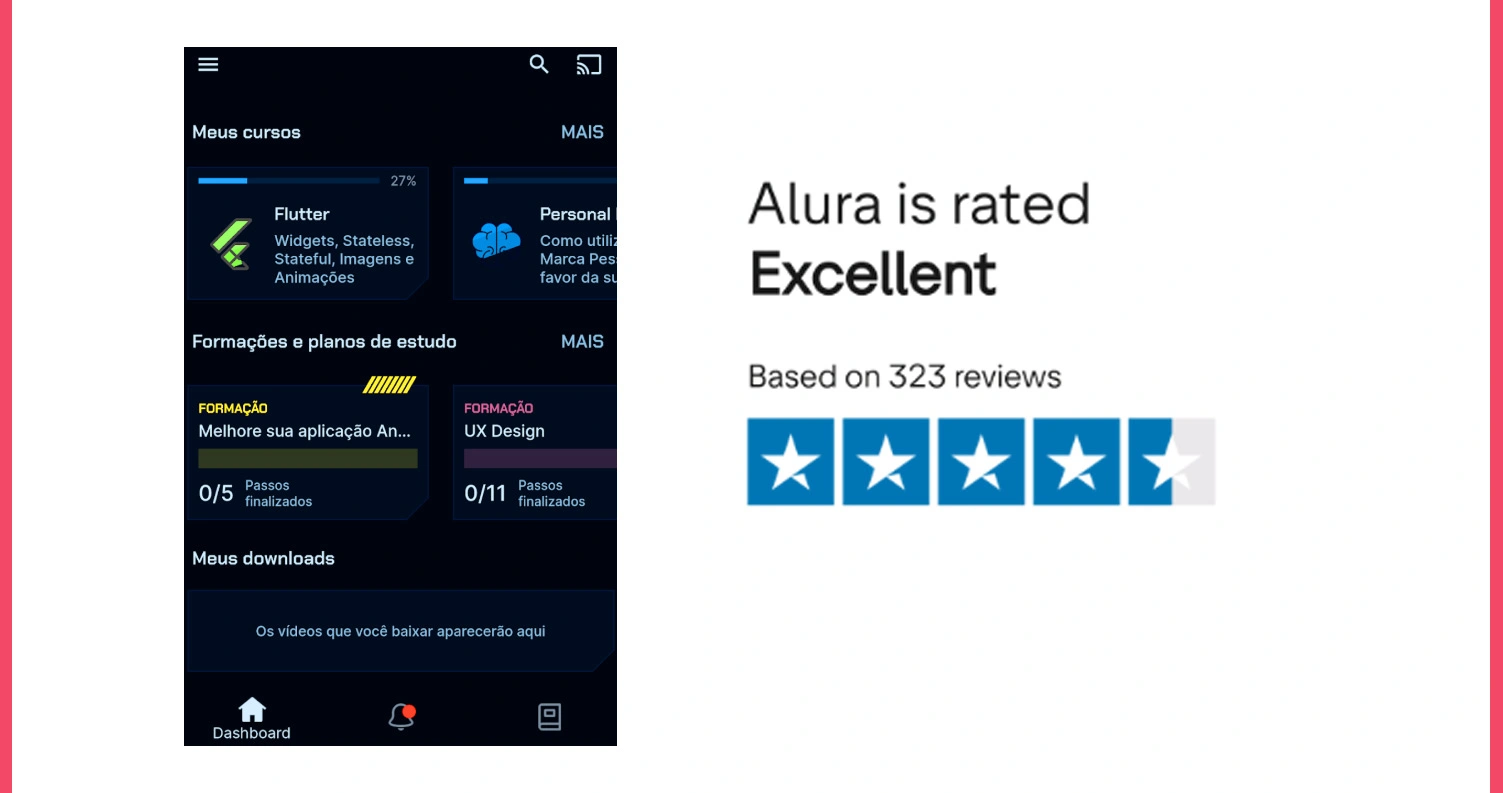
Accurate and structured datasets form the foundation of every educational analytics strategy. Institutions that systematically organize and automate course data can extract more meaningful insights to improve decision-making and optimize content delivery. Clean, organized datasets help educational teams differentiate between high-performing and underperforming courses while identifying specific categories that resonate with learners.
A reliable system ensures efficient course monitoring, enabling stakeholders to visualize correlations between engagement, ratings, and popularity. Integrating Web Data Mining techniques enhances this process by making data more accessible and usable across analytical tools.
| Parameter | Description | Importance |
|---|---|---|
| Course Duration | Total time commitment | Defines learner effort |
| Ratings | Reflects learner satisfaction | Indicates quality |
| Category Distribution | Topic organization | Shows subject preference |
| Trend Velocity | Pace of growth | Predicts future relevance |
Through automation, teams can categorize content based on multiple dimensions such as subject type, rating, and learner demographics. Once patterns emerge, decision-makers can identify market-ready topics and recognize gaps that need to be addressed.
Ultimately, structured datasets don’t just streamline analytics—they empower educational organizations to make more agile decisions. Combined with AI-enhanced data cleaning and visualization, these datasets serve as a strong backbone for personalized learning pathways and better student engagement strategies.
Understanding Learner Behaviors to Track Skill Shifts
Learning behavior analytics reveal how students interact with educational content across different courses and subjects. By examining completion rates, time spent, and engagement metrics, educators can gain actionable insights into what drives participation. These findings are invaluable for refining both curriculum design and content delivery strategies.
The integration of Alura Data Scraper API supports this process by simplifying the collection and synchronization of learner data across platforms. This API-driven approach enables institutions to observe how certain topics influence learner satisfaction and retention.
| Learning Metric | Indicator | Impact |
|---|---|---|
| Completion Rate | Percentage of course finished | Engagement measurement |
| Review Sentiment | Tone of user feedback | Reflects satisfaction |
| Repeat Enrollment | Returning user percentage | Indicates loyalty |
| Skill Transition | Progression level | Maps growth patterns |
Such insights allow analysts to understand which areas require improvement and where learners find the most value. When data from reviews and ratings is combined with course performance indicators, it creates a clearer view of student motivations and expectations.
Behavior-based tracking also enables organizations to measure skill progression trends—helping them identify shifts in market demand. The outcome is a robust framework for refining educational content and aligning future course creation with emerging professional requirements.
Creating Predictive Frameworks for Educational Evolution
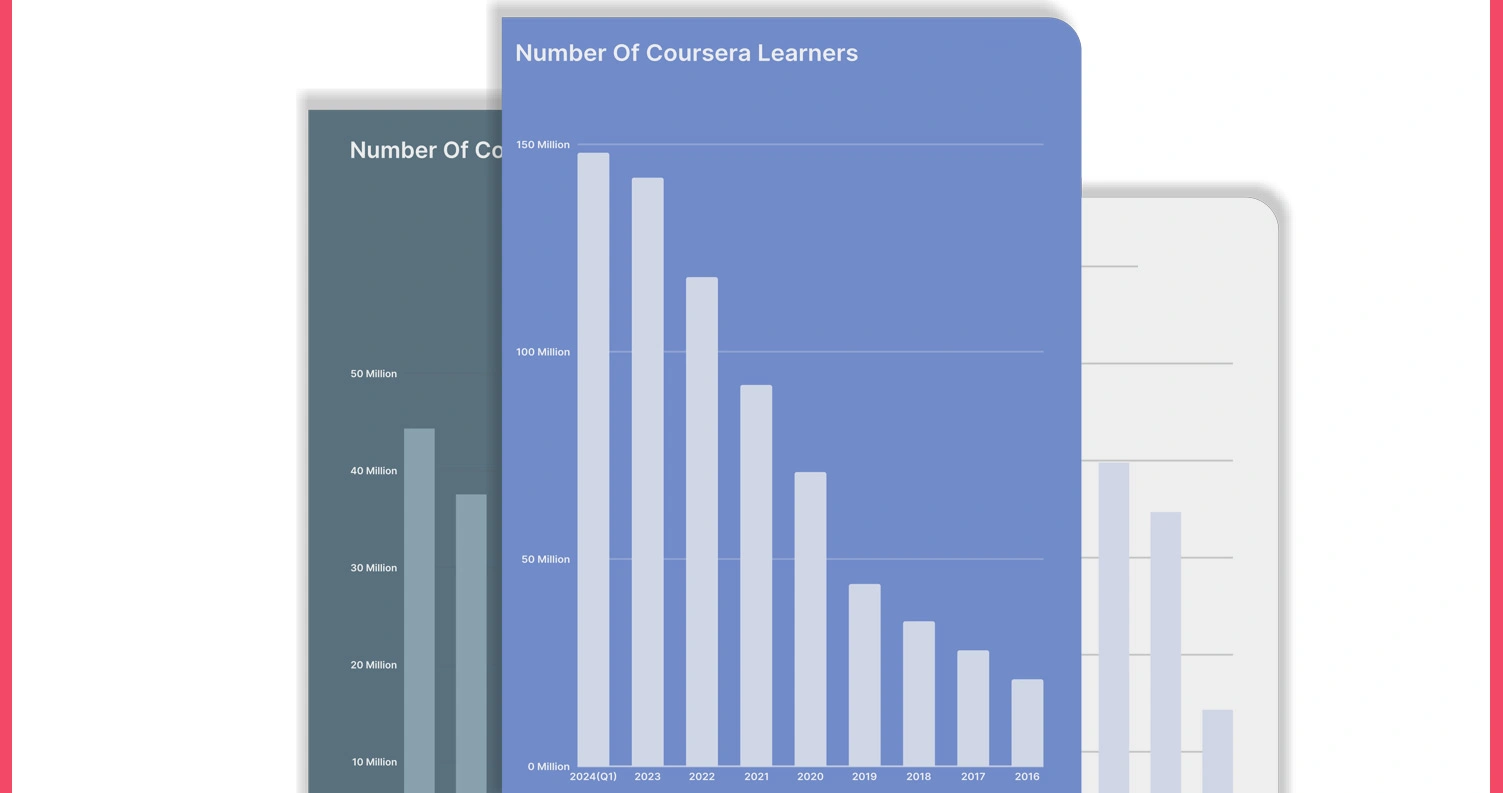
Forecasting future learning trends relies on analyzing historical data and anticipating what topics will dominate in the coming months. By applying predictive modeling to educational datasets, teams can identify skill areas gaining traction and adjust their strategies accordingly.
Predictive modeling isn’t just about looking backward; it involves using AI and automation to visualize potential learning behaviors. Implementing Web Scraping With AI allows platforms to gather, process, and interpret data with greater accuracy—ensuring that decisions about new course development are based on verified insights rather than assumptions.
| Predictive Parameter | Analysis Outcome | Use Case |
|---|---|---|
| Learner Growth Rate | Expected enrollment rise | Demand forecasting |
| Rating Fluctuations | Changing satisfaction patterns | Course updates |
| Topic Velocity | Growth momentum | Trend anticipation |
| Review Frequency | Engagement consistency | Sentiment analysis |
Predictive analytics can help EdTech companies identify early signs of market change, optimize their content strategies, and invest in the right course areas. This proactive approach helps institutions stay competitive in a rapidly evolving educational ecosystem.
By interpreting behavioral and engagement data intelligently, organizations can not only meet current learner needs but also prepare for future shifts—ensuring long-term relevance and impact in the educational technology sector.
Integrating Learning Data for Strategic Innovation
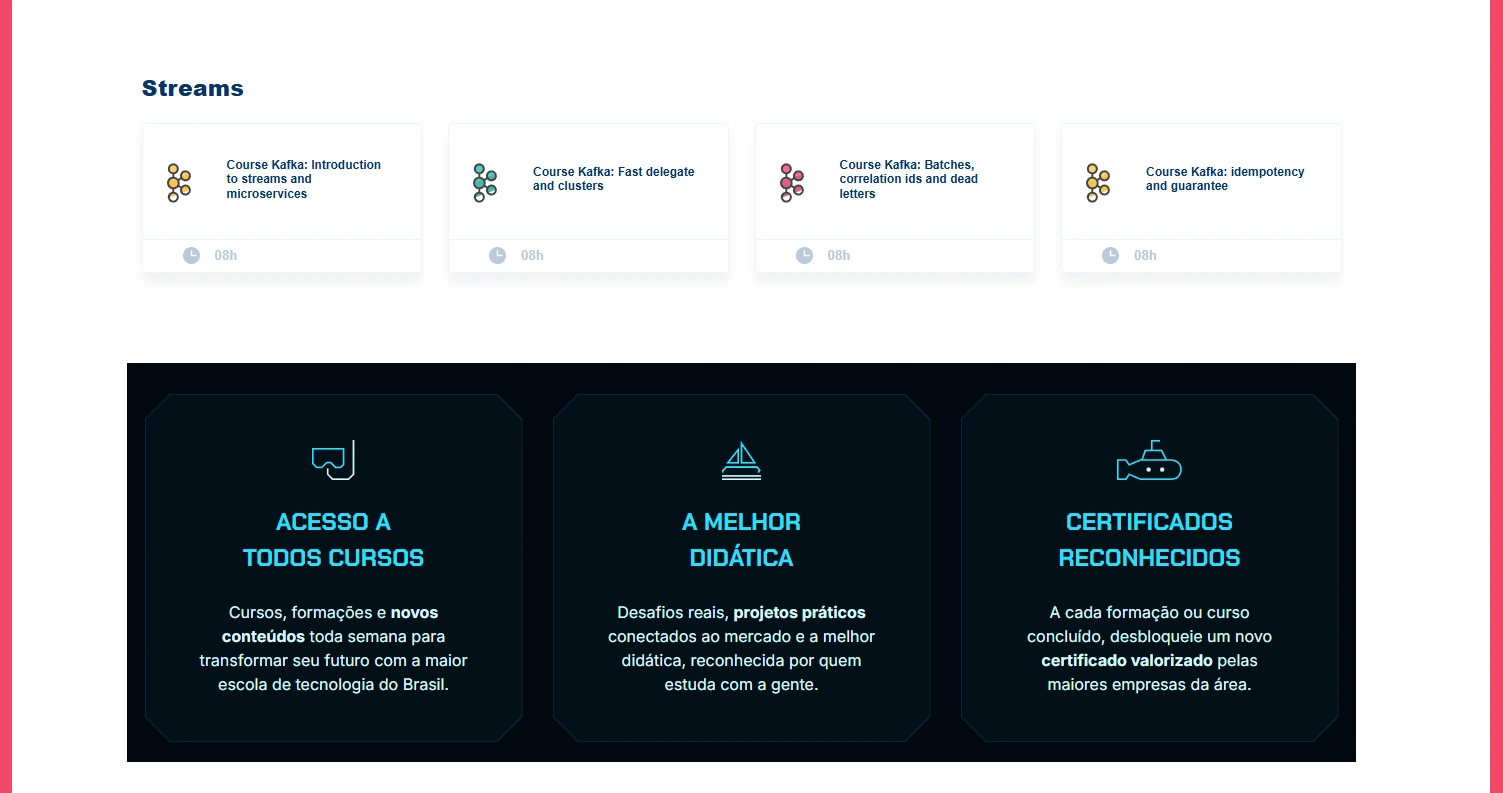
A cohesive data strategy connects various educational metrics into one powerful ecosystem. Integrating analytics helps institutions align academic goals, learner engagement, and curriculum development seamlessly. Through automation and synchronization, teams can collect multi-dimensional data for improved decision-making and innovation.
By applying Alura API Integration for Education Analytics, education providers can centralize datasets, automate their updates, and ensure consistency across different departments or analytical tools. This integration enhances visibility into student behavior and course performance while enabling data-driven planning.
| Data Type | Function | Application |
|---|---|---|
| Course Metadata | Base details | Catalog improvement |
| Enrollment Logs | Participation records | Market segmentation |
| Rating Analytics | Learner sentiment | Quality enhancement |
| Trend Reports | Category movement | Future planning |
Such integration not only reduces operational complexity but also strengthens educational forecasting models. A unified data framework encourages collaboration between marketing, academic, and research teams.
With real-time dashboards, institutions can track ongoing trends, benchmark against competitors, and implement rapid updates to stay relevant. Ultimately, strategic integration transforms fragmented data into a unified intelligence network that supports innovation across the educational ecosystem.
Utilizing Data Insights for Better Market Adaptation
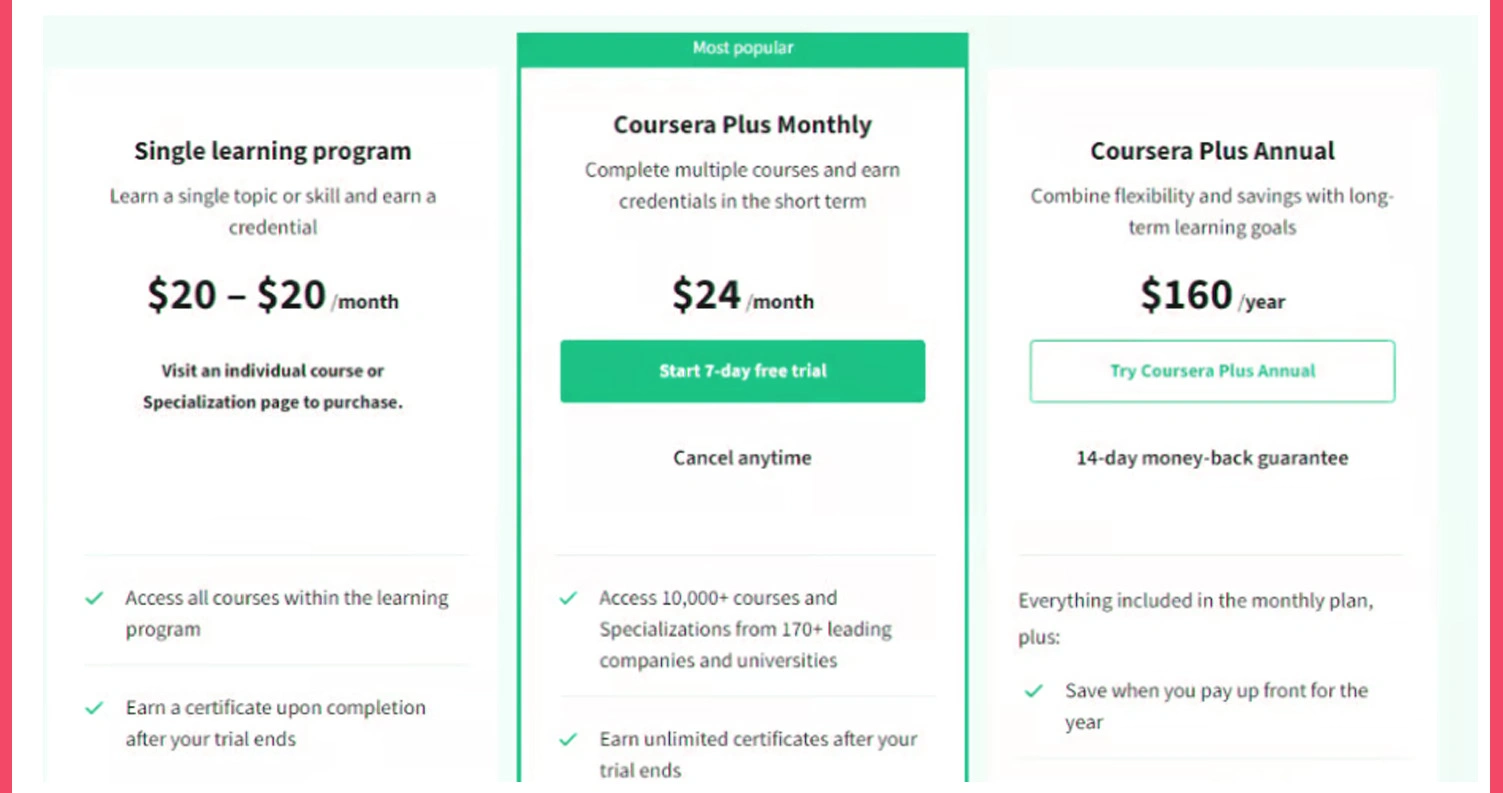
Educational institutions are increasingly using data to refine their market positioning and pricing structures. Analyzing enrollment, ratings, and feedback patterns helps understand how learners perceive value and where to adjust strategies.
The inclusion of Dynamic Pricing models enables EdTech platforms to modify course fees based on learner demand, popularity, and seasonal trends. This helps balance accessibility and profitability while appealing to diverse audiences.
| Pricing Metric | Measurement | Purpose |
|---|---|---|
| Average Course Cost | Price range | Market positioning |
| Rating-to-Price Ratio | Correlation measure | Value optimization |
| Discount Effectiveness | Enrollment growth post-discount | Offer analysis |
| Category Pricing | Subject comparison | Strategic alignment |
Paired with Alura Data Scraping for Educational Market Research, teams can benchmark their course offerings against competitors, assess category competitiveness, and refine marketing campaigns.
Using data-driven models, institutions can align pricing and promotion strategies with learners’ expectations and emerging educational trends. The outcome is not just increased enrollments but also stronger brand positioning in the fast-growing digital education market.
How Mobile App Scraping Can Help You?
Modern educational analytics thrives on data accessibility. By using tools that Scrape Course Listings, Ratings, and Categories From Alura, educators and analysts gain precise insights into content performance, user preferences, and engagement metrics.
Key ways it helps include:
- Identifying top-performing courses in specific categories.
- Tracking learner engagement across timeframes.
- Understanding how reviews affect course success.
- Comparing multiple learning platforms effectively.
- Detecting new trending subjects quickly.
- Generating visual dashboards for reporting.
These benefits extend beyond short-term analytics. When paired with Real-Time Insights Into Trending Courses and Learning Topics, they deliver a long-term advantage that supports innovation, enhances competitive positioning, and improves educational decision-making.
Conclusion
Analyzing educational trends helps stakeholders make smarter content and strategy decisions. When teams use tools to Scrape Course Listings, Ratings, and Categories From Alura, they can observe measurable learner behaviors and anticipate future learning demands through data-backed insights.
Moreover, connecting this data with EdTech Data Scraping solutions allows organizations to integrate analytical intelligence across departments, optimize their educational offerings, and enhance student experiences at scale. Contact Mobile App Scraping to unlock powerful data-driven insights for your institution.