How to Scrape RERA Data for Property Intelligence to Track Builders, Projects, and Property Trends?
Introduction
Property research depends on accurate project information, developer records, approvals, pricing signals, and construction updates. Real Estate App Data Scraping Services can support structured collection from property-focused applications and online sources, helping teams organize scattered information into consistent datasets for market evaluation.
Real estate teams increasingly need reliable project-level information to compare builders, locations, project stages, approvals, and registration details. Scrape RERA Data for Property Intelligence can create a structured research layer that brings relevant regulatory and project information together for analysis, reporting, and portfolio monitoring.
Automated extraction also reduces repetitive manual research across multiple records and locations. With scheduled collection, organizations can monitor changes in project information, identify emerging development patterns, and prepare cleaner inputs for dashboards, research models, investment analysis, and property intelligence workflows.
Strategic Mapping of Project Records for Stronger Property Intelligence
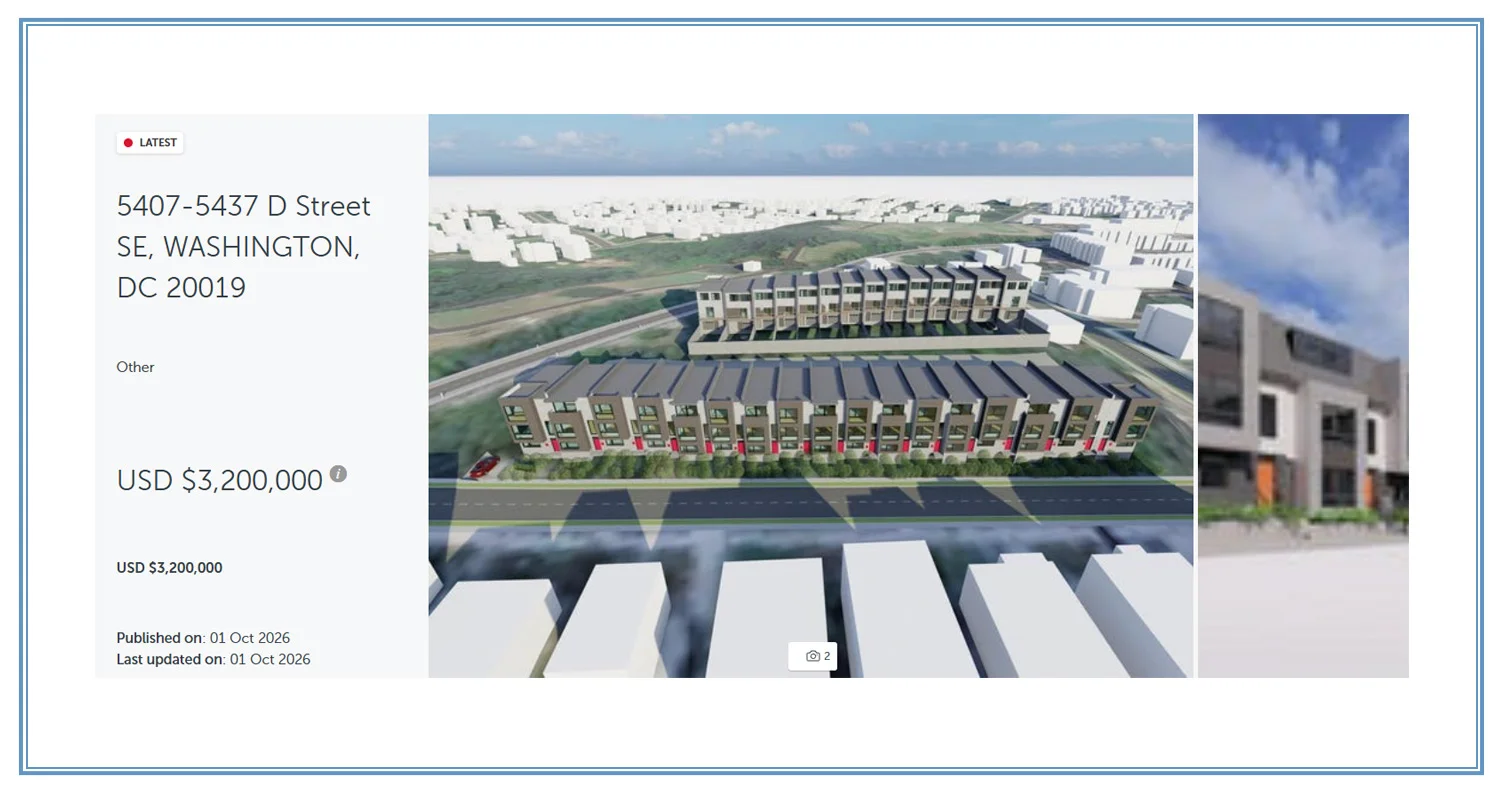
Property teams require consistent project information to compare developments across cities, builders, and property categories. Registration numbers, project names, developer details, locations, approval information, construction stages, and completion timelines can be organized into standardized records. When combined with Real Estate Datasets, these records can support broader comparisons involving property characteristics, geographic activity, and development patterns.
Structured records also make it easier to separate active projects from completed, delayed, or newly registered developments while maintaining historical information for future analysis. A RERA Web Data Scraper for Real Estate can collect relevant fields from regulatory sources and arrange them into consistent formats for downstream analysis.
Teams can use these records to compare the number of registered projects, locations covered, project stages, and historical development activity associated with different builders. This approach can reduce manual research and provide a repeatable framework for maintaining project profiles. It also creates a foundation for dashboards where analysts can filter information according to developer, location, registration period, project category, or status.
Illustrative monitoring volumes can demonstrate how structured project records may support larger research programs:
| Data Indicator | Illustrative Coverage |
|---|---|
| Project Records | 50,000+ |
| Developer Profiles | 8,500+ |
| Location Categories | 120+ |
| Project Status Fields | 25+ |
Teams can further use these structured records to identify development clusters, compare builder activity, and examine changes across geographic markets. Key operational advantages include:
- Standardized project information
- Centralized developer records
- Historical status tracking
- Location-based project comparisons
- Easier research filtering
A consistent project database can also support property researchers when evaluating development concentration, builder portfolios, and project timelines. Instead of treating every record as an isolated source, teams can connect related fields and maintain them within a structured analytical environment. This improves the consistency of research outputs and provides a practical foundation for recurring property monitoring.
Integrated Developer Signals Shaping Deeper Real Estate Market Analysis

Developer intelligence becomes more valuable when project records are connected with location, approval, timeline, and market indicators. Teams can organize information around builder portfolios, newly registered developments, construction stages, completion dates, and geographic expansion. RERA Data Collection Services for Real Estate can support recurring collection workflows that bring these fields together in a structured format.
Such an approach helps analysts compare development activity across multiple markets while reducing repetitive manual checks. It can also support research teams that need standardized information for reports, dashboards, investment studies, and competitive assessments. Automated data movement can further improve how collected information reaches analytical systems. API Scraping can connect structured extraction workflows with databases, dashboards, reporting platforms, and internal research environments.
Instead of maintaining isolated files, teams can establish repeatable processes for transferring relevant project information into systems used for analysis. This can be particularly useful when property teams monitor large numbers of developers and projects across multiple regions. Consistent data movement also helps maintain common field structures, making records easier to compare over time.
An illustrative monitoring framework can show the scale of information that property research teams may organize:
| Intelligence Area | Sample Monitoring Volume |
|---|---|
| Developers Tracked | 7,500+ |
| Active Projects | 32,000+ |
| Locations Monitored | 95+ |
| Monthly Updates | 18,000+ |
Structured developer intelligence can support several research activities without changing the underlying collection framework:
- Portfolio comparison across developers
- Project-stage monitoring
- Geographic expansion analysis
- Approval and registration tracking
- Recurring market reporting
When project records, developer histories, and geographic information are maintained together, analysts can examine relationships that may remain difficult to identify through isolated searches. Historical records can also help research teams compare development activity across periods, identify changes in builder portfolios, and prepare more consistent property market reports. This creates a repeatable information layer for teams managing ongoing real estate research.
Continuous Market Signals Revealing Emerging Property Development Patterns
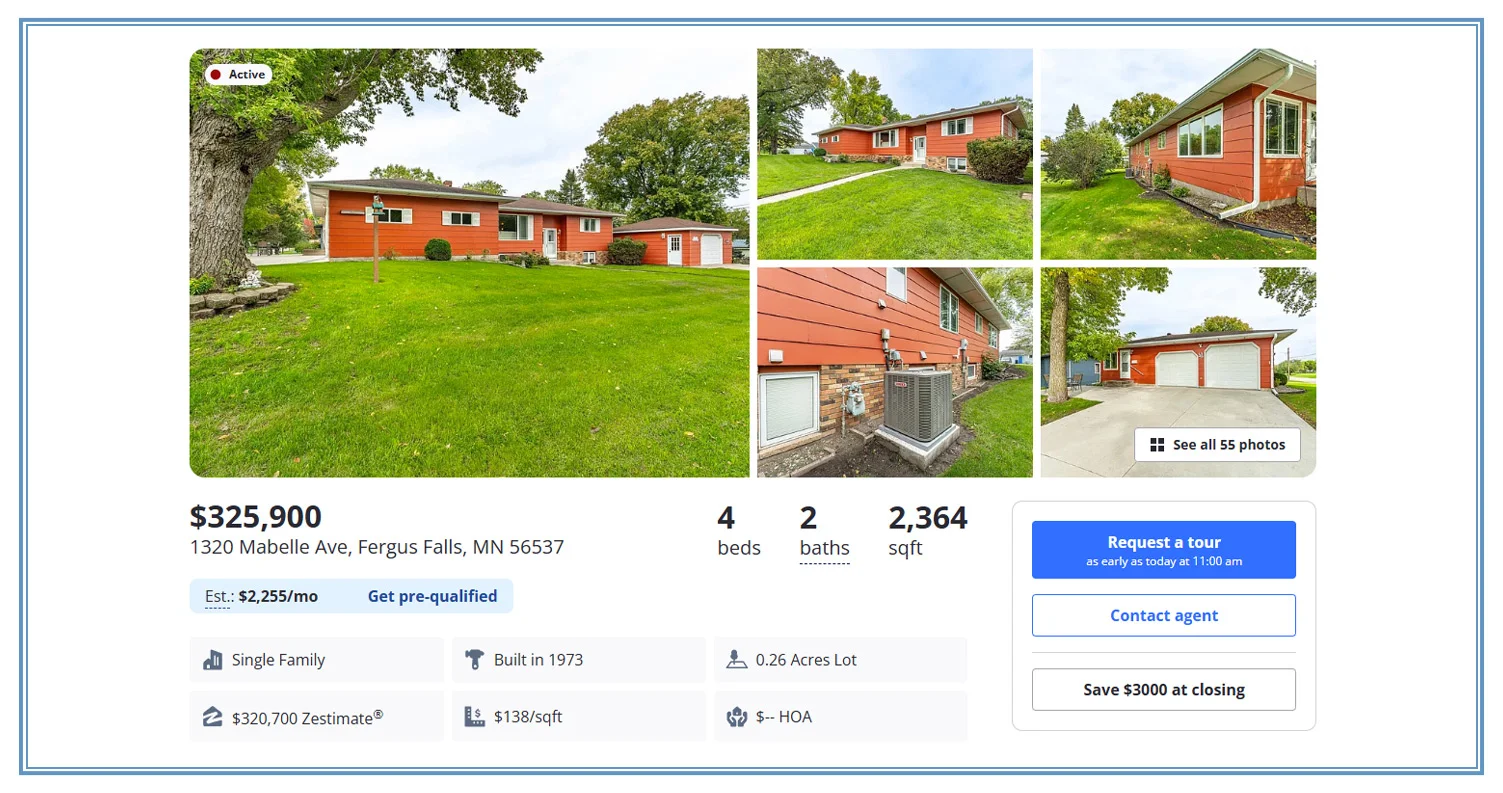
Property markets continually change as new projects enter registration systems, existing developments progress, and builders expand into different locations. Consistent monitoring can help research teams identify these changes without relying exclusively on manual reviews. Web Scraping Services can support recurring collection routines that organize project updates into structured historical records.
Maintaining such information over time allows analysts to compare market activity between periods and identify areas experiencing increased or reduced development activity. A continuous monitoring framework can also support timely analysis of builder movements. RERA Data Scraping for Real Estate Market Intelligence can help organize recurring project information into datasets that analysts can evaluate alongside broader market indicators.
This makes it possible to examine development concentration, project additions, status changes, and geographic expansion within a common research structure. Rather than reviewing individual records independently, teams can use standardized historical information to assess patterns across multiple locations and periods.
An illustrative monitoring framework may include the following volumes:
| Trend Metric | Monthly Tracking |
|---|---|
| New Project Entries | 2,400+ |
| Status Changes | 6,800+ |
| Developer Updates | 3,200+ |
| Location Signals | 1,100+ |
Continuous collection can support several practical research activities:
- Tracking newly registered projects
- Monitoring project-status changes
- Comparing developer expansion
- Identifying active development clusters
- Maintaining historical market records
Over time, these records can provide a clearer foundation for property trend analysis. Real-Time RERA Developer Data can add an ongoing monitoring layer for teams reviewing builder activity, project changes, and development patterns. Historical comparisons can then help analysts examine how project activity changes across locations and periods.
How Mobile App Scraping Can Help You?
Property intelligence becomes more practical when project information is collected from multiple digital touchpoints and organized within a common structure. Scrape RERA Data for Property Intelligence can complement mobile-focused extraction workflows by bringing project, developer, location, and property information into a centralized research process.
Key advantages include:
- Automated collection of property-related records
- Consistent structuring across multiple sources
- Scheduled monitoring for changing project information
- Better organization of developer and project profiles
- Easier integration with analytical dashboards
- Support for historical property trend comparisons
For organizations requiring broader coverage, structured collection can help maintain records that support recurring research, reporting, market segmentation, and property intelligence workflows. Teams can combine information from different digital sources and establish standardized fields that make analysis easier across projects, developers, and locations.
Conclusion
Property intelligence depends on structured, timely, and comparable information covering developers, projects, locations, approvals, and changing development activity. Scrape RERA Data for Property Intelligence can help research teams organize these signals into usable records for market analysis, monitoring, reporting, and property portfolio evaluation.
A structured approach can also support broader property research when regulatory information is combined with complementary sources. Real-Time RERA Developer Data can provide an ongoing information layer for teams monitoring builder activity, project changes, and market movement. Contact Mobile App Scraping to build a customized RERA data collection and property intelligence solution for your research requirements.