How to Scrape USA E-Commerce Market Intelligence With Real-Time Data for Better Business Planning?
Introduction
Modern retail competition in the United States is driven by speed, precision, and continuous insights. Businesses can no longer rely on static reports when pricing shifts, inventory updates, and customer preferences change multiple times a day. Many organizations now integrate E-Commerce Data Extraction methods to collect structured datasets from multiple digital storefronts and marketplaces, enabling faster strategic planning.
A major shift is visible as companies move toward automated intelligence systems that support dynamic pricing and demand forecasting. In this evolving ecosystem, organizations aim to Scrape USA E-Commerce Market Intelligence With Real-Time Data to understand competitors, track product availability, and monitor consumer demand patterns in real time. This approach strengthens forecasting accuracy and reduces decision lag in fast-moving product categories.
The rise of intelligent scraping systems also supports granular visibility into pricing fluctuations, seasonal demand spikes, and promotional strategies. As a result, enterprises can respond faster to market volatility and optimize product positioning. The combination of automation and structured intelligence has become a foundational requirement for competitive retail strategy across digital channels in the US market.
Market Stability and Pricing Evaluation Systems
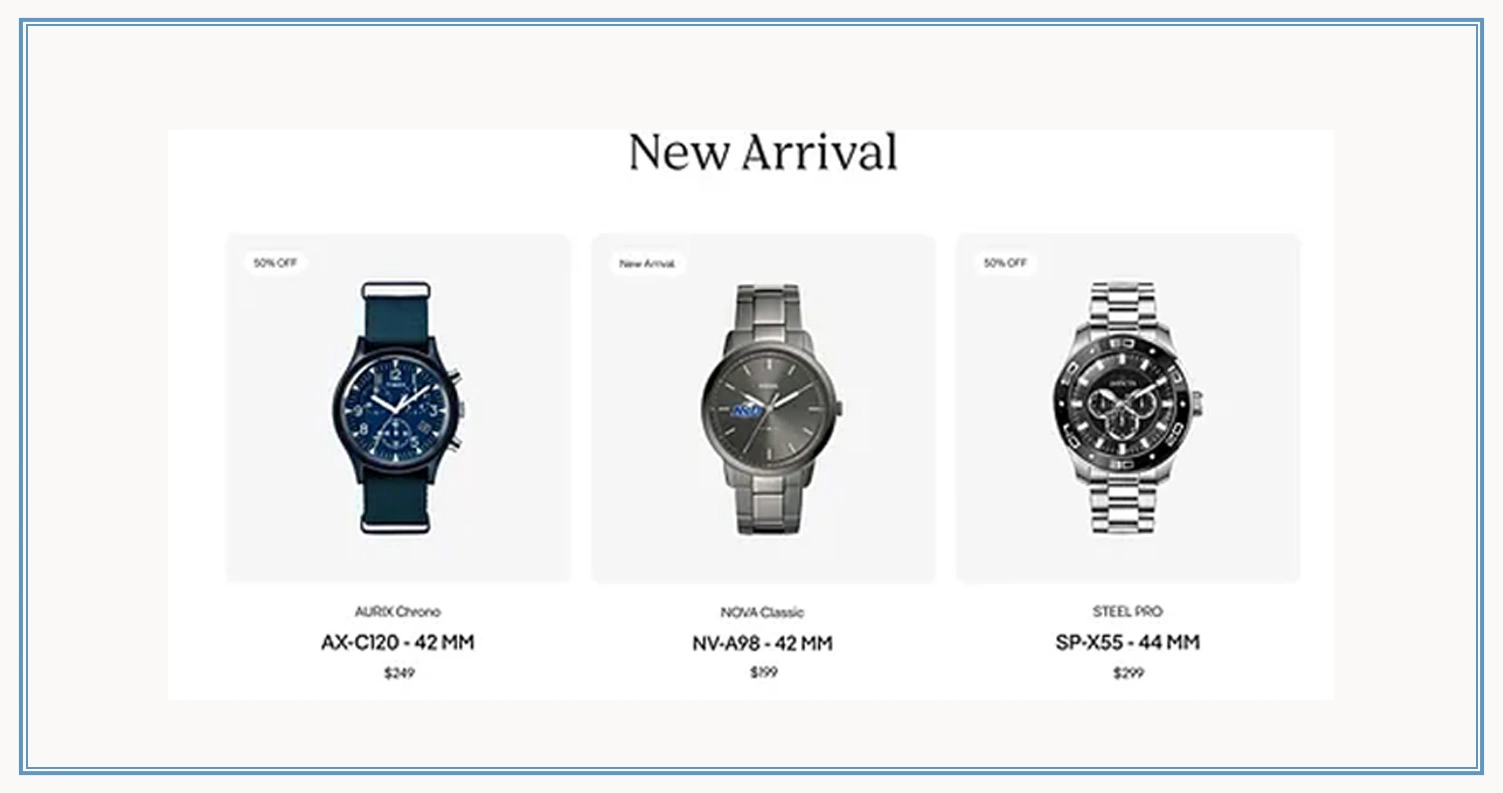
In today’s fast-paced retail ecosystem, maintaining pricing stability while staying competitive requires continuous monitoring and structured intelligence systems. Businesses are increasingly adopting United States Ecommerce Analytics via Web Scraping to evaluate competitor pricing strategies and adjust their own offerings dynamically. This allows companies to maintain balance between profitability and market competitiveness.
A key component of this ecosystem is Extract Real-Time Product and Inventory Monitoring for US Retailers, which ensures that stock availability and pricing decisions are aligned with live demand conditions. Retailers can quickly identify gaps in inventory, avoid stockouts, and reduce excess holding costs by acting on real-time insights.
Below is a structured view of pricing and demand behavior across retail segments:
| Category | Pricing Volatility | Demand Consistency | Stock Sensitivity |
|---|---|---|---|
| Electronics | High | Medium | High |
| Apparel | Medium | High | Medium |
| Grocery | Low | Very High | High |
| Home Essentials | Medium | Medium | Medium |
Retailers leveraging structured intelligence can better identify price elasticity patterns and, with the help of E-Commerce Datasets, adjust strategies more effectively. These insights also support evaluating competitor positioning across multiple digital platforms.
By continuously analyzing structured datasets, businesses improve forecasting accuracy and reduce decision lag. This creates a more stable pricing environment while ensuring competitiveness across highly dynamic product categories.
Behavioral Insight and Engagement Mapping Framework
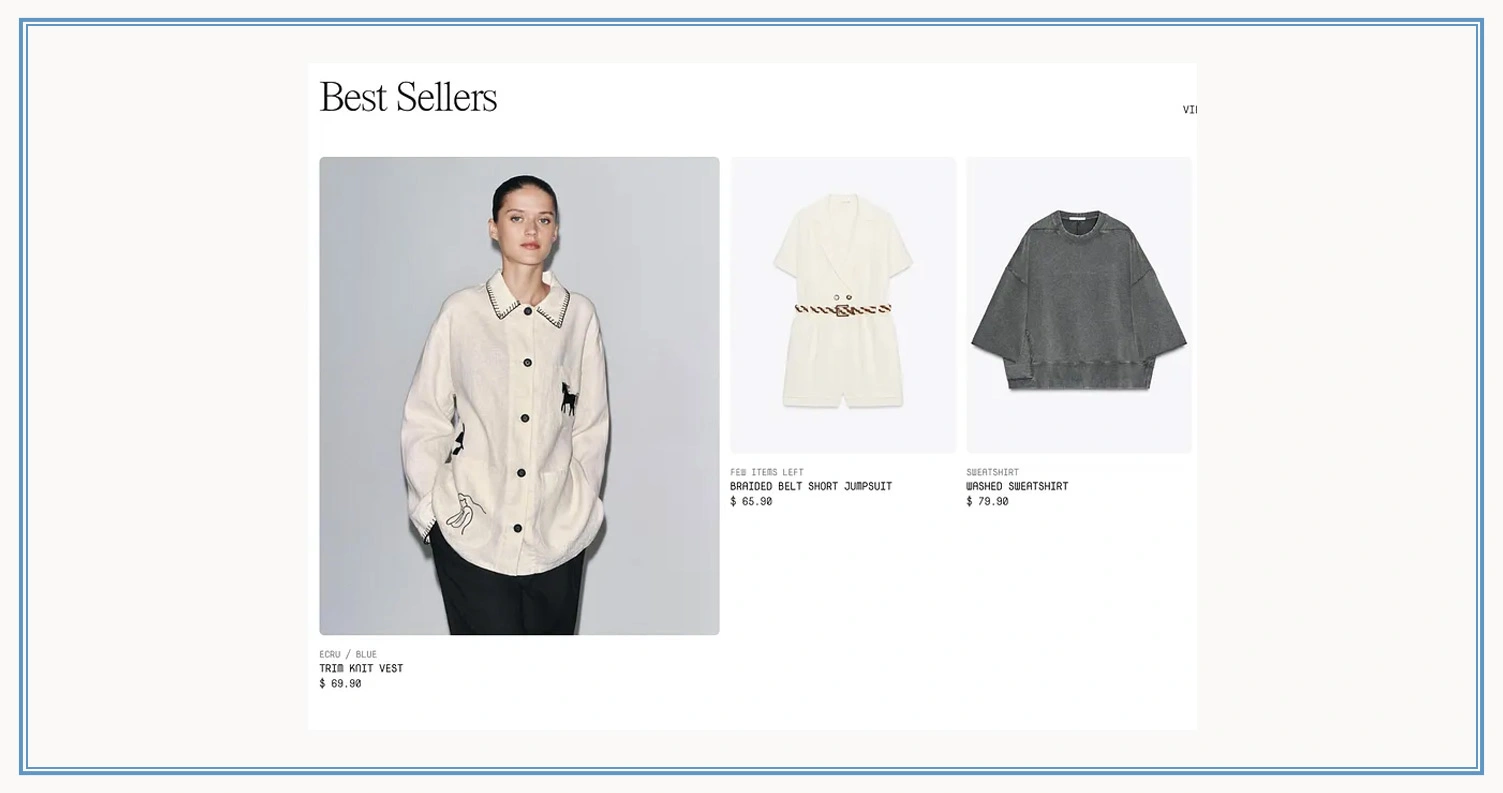
Understanding how customers interact with digital platforms is essential for building effective e-commerce strategies. Businesses increasingly rely on behavioral intelligence tools to interpret browsing patterns, purchase intent, and engagement signals across mobile ecosystems. A key enabler in this process is a Mobile App Scraper, which collects detailed user interaction data from shopping applications.
These insights help organizations understand how consumers navigate product listings, respond to discounts, and complete purchase journeys. When combined with structured analysis, businesses can refine personalization strategies and improve conversion rates across digital channels.
Key behavioral insights include:
- Tracking session duration across product categories
- Identifying frequently abandoned shopping stages
- Monitoring engagement peaks during promotional periods
- Evaluating repeat purchase tendencies
- Analyzing product comparison behavior patterns
- Measuring response rates to targeted offers
Such insights allow businesses to build more accurate customer segmentation models and improve targeting precision. In addition, Consumer Purchase Behavior Scraping for US E-Commerce Business helps organizations understand demand drivers at a deeper level, enabling more effective marketing and retention strategies.
When behavioral intelligence is aligned with broader market data, companies gain a unified understanding of customer intent and platform interaction patterns. This ensures that decisions are not only data-driven but also behaviorally informed, leading to improved customer experience and stronger engagement outcomes across digital retail ecosystems.
Automated Intelligence and Regional Data Systems
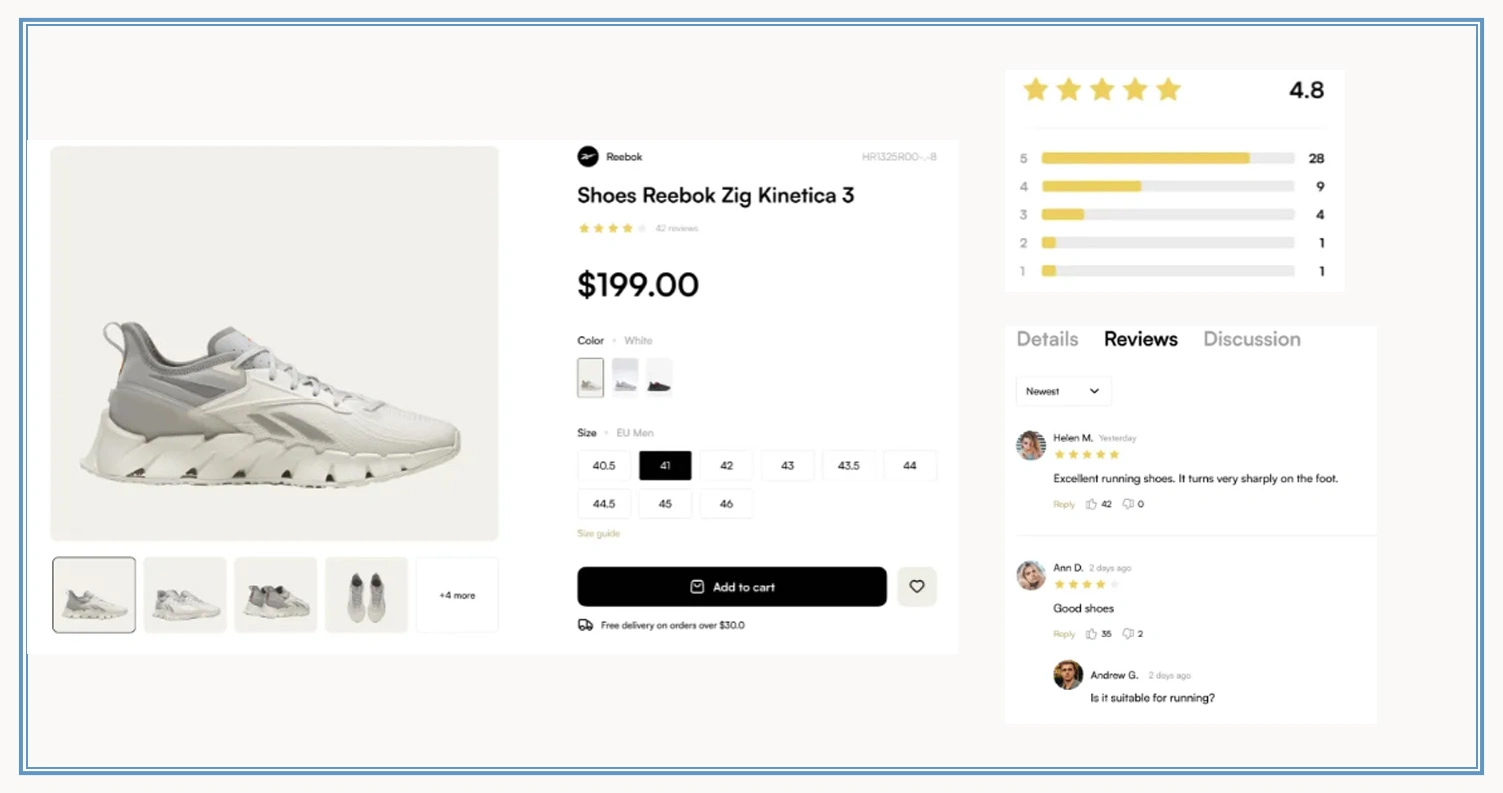
Modern e-commerce operations increasingly depend on automation to manage large-scale data collection and analysis. Businesses are now implementing advanced systems that support regional and category-level intelligence for improved decision-making. One of the key enablers of this transformation is Localized Ecommerce Trend Tracking Across US, which helps identify geographic variations in demand and consumer behavior.
These insights allow organizations to tailor strategies based on regional performance patterns rather than applying uniform national approaches. This improves marketing efficiency and ensures better alignment with localized customer needs.
Below is a regional performance overview:
| Region | Demand Strength | Price Sensitivity | Growth Trend |
|---|---|---|---|
| Northeast | High | Medium | Stable |
| South | Very High | High | Rapid |
| Midwest | Medium | High | Moderate |
| West Coast | High | Medium | Strong |
Automation plays a central role in scaling these insights efficiently. The integration of a Web Scraping API enables continuous and structured data collection across multiple platforms without manual intervention, ensuring real-time updates and operational efficiency.
These systems also support predictive modeling and demand forecasting, helping businesses anticipate market changes before they occur. With automation-driven intelligence systems, businesses can streamline operations, improve forecasting accuracy, and enhance competitive positioning across fast-moving digital marketplaces.
How Mobile App Scraping Can Help You?
Scraping mobile applications has become a critical part of modern retail intelligence systems, especially for capturing real-time user engagement patterns and product-level insights. Scrape USA E-Commerce Market Intelligence With Real-Time Data supports businesses in understanding how mobile-first consumers interact with digital storefronts and purchase funnels.
Key advantages include:
- Real-time monitoring of in-app product visibility
- Tracking of push notification effectiveness
- Analysis of user journey drop-off points
- Detection of mobile-exclusive promotional patterns
- Identification of high-engagement product listings
- Monitoring of app-based seasonal demand shifts
These insights help organizations make more informed decisions across marketing, product development, and inventory planning. When integrated effectively, Localized Ecommerce Trend Tracking Across US enhances regional accuracy and ensures that mobile insights align with geographic demand variations.
Conclusion
Businesses operating in digital retail environments must prioritize real-time intelligence to remain competitive in rapidly changing markets. Scrape USA E-Commerce Market Intelligence With Real-Time Data enables organizations to transform raw digital signals into structured insights that support pricing, inventory, and marketing decisions.
When combined with Consumer Purchase Behavior Scraping for US E-Commerce Business, enterprises gain deeper visibility into customer intent and buying patterns, allowing them to refine targeting strategies and improve conversion outcomes across channels. Connect with Mobile App Scraping today to unlock more precise decision-making and sustainable growth.