
How to Scrape Restaurant & Menu Data From USA Food Delivery Platforms Using App Intelligence 95% Accuracy?
Introduction
The rapid expansion of food delivery ecosystems across the United States has led to an unprecedented volume of digital information related to restaurants, menus, pricing, availability, and evolving customer preferences. Each interaction on a food delivery platform produces actionable insights that, when leveraged effectively to Scrape Restaurant & Menu Data From USA Food Delivery Platforms, empower businesses to refine strategies, enhance market responsiveness, and drive data-led growth.
Modern data collection approaches focus on precision, scale, and continuity. By using Food Delivery App Data Scraping, businesses can systematically gather structured insights directly from popular platforms without relying on delayed or incomplete third-party reports. This process goes beyond surface-level listings and taps into deeper layers of operational and commercial data.
One critical component of this approach is Food Delivery App Data Extraction, which enables the transformation of unstructured in-app information into clean datasets ready for analytics. With accurate extraction logic, organizations can monitor changes in menus, pricing behavior, promotional activity, and regional availability in near real time. As competition intensifies and consumer preferences shift rapidly, app intelligence has become a reliable foundation for restaurant analytics, market forecasting, and strategic planning across the U.S. food delivery landscape.
Resolving Data Silos Across Delivery Ecosystems
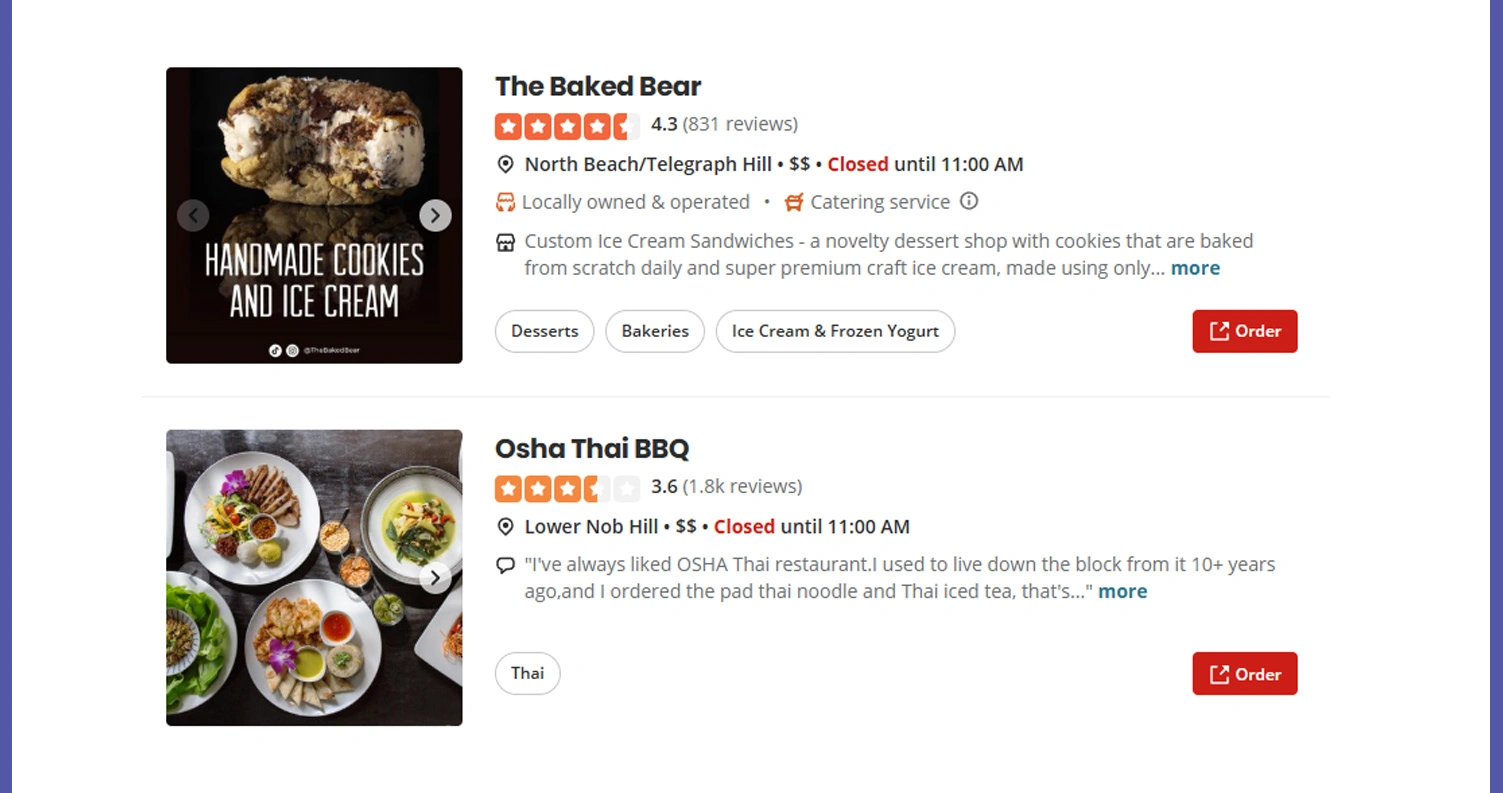
Food delivery intelligence often remains fragmented because platforms structure restaurant and menu information differently across regions and categories. Listings may vary in naming conventions, item grouping, or price presentation, which creates inconsistencies when data is collected manually or through partial sources. This fragmentation limits the ability to compare performance accurately across cities, brands, or cuisine segments.
A structured approach using Restaurant Data Scraping helps centralize app-level information into a unified dataset. By standardizing restaurant identifiers, menu hierarchies, and location attributes, analysts can eliminate duplication and misalignment. Industry benchmarks indicate that centralized delivery data reduces reporting errors by nearly 35% while improving analysis speed for market and operations teams.
The use of consolidated Food Delivery Datasets further supports longitudinal analysis. Historical snapshots allow businesses to study seasonal demand patterns, category-level expansion, and regional pricing stability. These datasets also enable scalable dashboards and automated reporting workflows that replace spreadsheet-heavy processes.
Centralized Coverage Overview:
| Data Component | Standardized Element Captured | Analytical Value Generated |
|---|---|---|
| Restaurant Profiles | Name, cuisine, service area | Market structure visibility |
| Menu Architecture | Item grouping and hierarchy | Assortment consistency tracking |
| Availability Signals | Active and inactive listings | Demand fluctuation assessment |
| Location Mapping | City and neighborhood tagging | Regional performance comparison |
With unified data architecture in place, teams gain a reliable foundation for operational planning, competitive benchmarking, and scalable market analysis across food delivery ecosystems.
Tracking Rapid Changes In Digital Menus
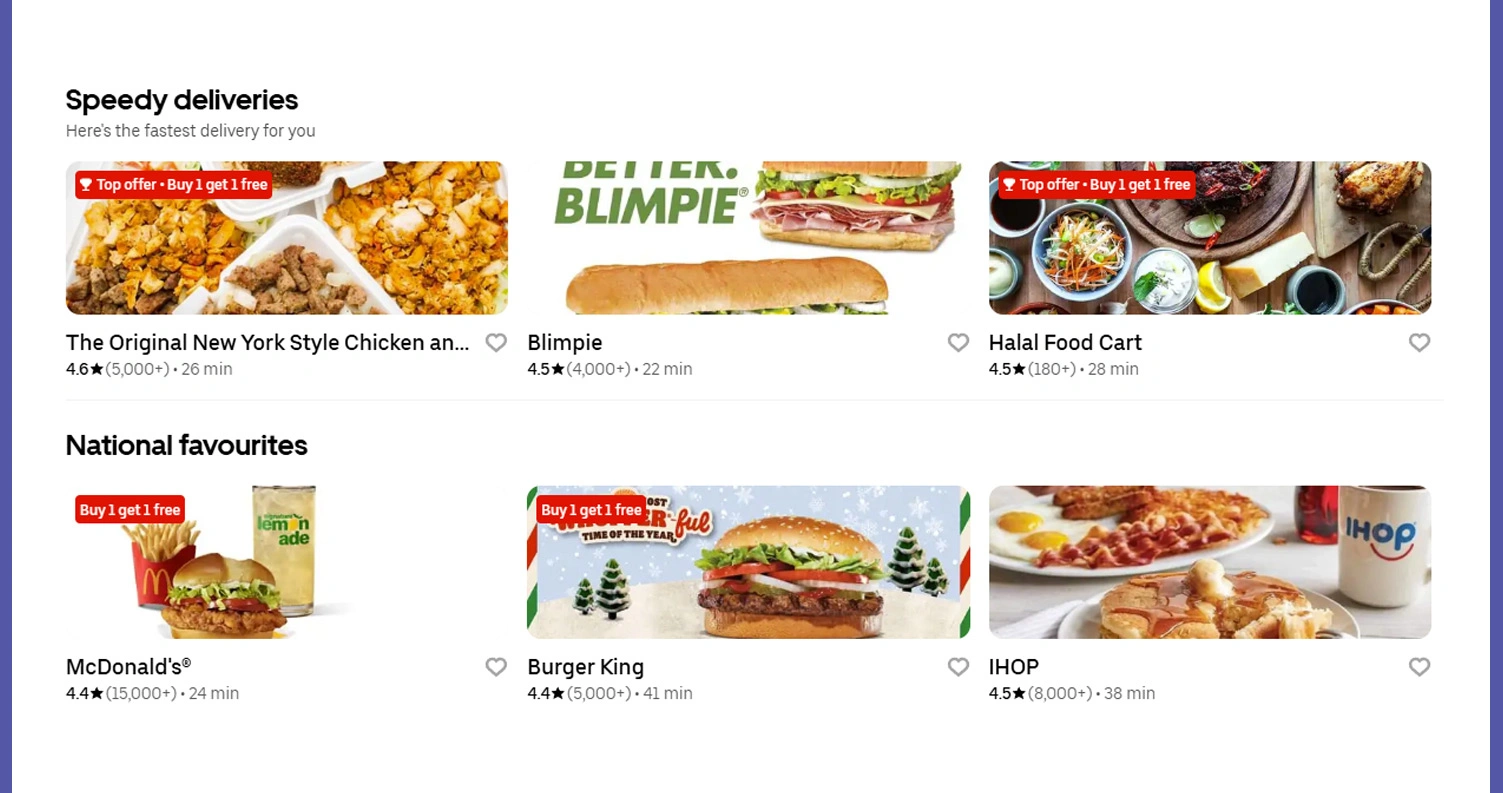
Menu structures and pricing models on delivery apps change frequently due to supply costs, platform incentives, and consumer demand shifts. Without automated monitoring, businesses often react too late to these changes, resulting in outdated insights and ineffective pricing decisions. Continuous data capture addresses this challenge by reflecting real-time in-app behavior.
Through Food Ordering App Data Scraping, organizations can monitor price adjustments, item additions, and removals with high frequency. Studies across urban U.S. markets show that menu prices fluctuate between 6–10% within a single quarter, particularly during promotional cycles. Automated tracking ensures these variations are captured accurately without manual intervention.
Accessing native environments through iOS App Scraping improves precision further, as app interfaces often update faster than web versions. This approach reflects the actual customer experience, capturing pricing logic, bundled offers, and item visibility as users see them.
Menu Volatility Monitoring Snapshot:
| Observation Metric | Typical Change Range | Insight Application |
|---|---|---|
| Item Price Movement | 3%–8% monthly | Pricing strategy alignment |
| Promotional Discounts | Up to 18% | Campaign impact evaluation |
| Item Delisting Rate | 4%–6% per month | Menu stability analysis |
Consistent monitoring of these signals empowers teams to refine pricing strategies, accurately evaluate promotional performance, and sustain strong competitive positioning across rapidly evolving digital marketplaces, supported by Menu Pricing Data Scraping insights.
Turning Customer Feedback Into Strategic Signals

Customer sentiment on food delivery platforms directly influences order volume, brand visibility, and platform rankings. Ratings and reviews provide continuous feedback on food quality, delivery speed, and service reliability, yet this information is often underutilized due to scale and variability. Automated collection enables structured sentiment analysis across markets.
By applying Review and Rating Data Scraping, businesses can transform unstructured feedback into measurable indicators. Industry data suggests that a 0.4–0.6 increase in average rating can improve conversion rates by up to 9%, demonstrating the tangible business value of sentiment tracking. When aligned with U.S Food Delivery Data, feedback trends can be mapped against geography, cuisine, and demand density.
Sentiment Intelligence Breakdown:
| Feedback Dimension | Captured Indicator | Strategic Insight Derived |
|---|---|---|
| Star Ratings | Average and trend movement | Brand perception measurement |
| Review Volume | Frequency over time | Engagement intensity analysis |
| Keyword Themes | Taste, delivery, service | Operational improvement signals |
Structured sentiment intelligence allows brands to identify recurring issues, prioritize operational fixes, and align menu or service updates with real consumer expectations. Over time, this feedback-driven approach strengthens brand credibility and supports data-backed performance optimization across delivery platforms.
How Mobile App Scraping Can Help You?
As food delivery platforms continue to evolve, app-level intelligence offers a reliable way to maintain accuracy and competitive awareness. Instead of relying on delayed summaries, organizations can Scrape Restaurant & Menu Data From USA Food Delivery Platforms directly from live app environments to support faster and more informed decisions.
Key advantages include:
- Continuous monitoring of real-time change.
- Scalable coverage across cities and cuisines.
- Reduced dependency on manual data collection.
- Improved accuracy through automated validation.
- Faster response to pricing and menu updates.
- Stronger historical trend analysis.
By integrating these capabilities with Mobile App Analytics Data, businesses can transform raw app signals into structured intelligence that supports forecasting, optimization, and long-term growth planning.
Conclusion
Reliable app intelligence has become a cornerstone for modern restaurant analytics. When organizations use tools to Scrape Restaurant & Menu Data From USA Food Delivery Platforms, they gain timely visibility into pricing behavior, menu evolution, and performance drivers that directly impact revenue outcomes.
By aligning app-based intelligence with Restaurant Competitive Analysis, brands can benchmark performance, identify gaps, and refine strategies with confidence. Connect with Mobile App Scraping today to implement a scalable app scraping solution that turns food delivery data into measurable business impact.