

How to Scrape Walmart Product and Pricing Data in Real-Time for 3x Faster Market Analysis?
Introduction
In today's hyper-competitive retail ecosystem, accurate and timely market intelligence defines who leads and who lags. Walmart’s vast digital marketplace holds valuable information across millions of SKUs, categories, and price points — an essential data source for understanding real-time market dynamics. By adopting Walmart Product Data Scraping Services, businesses can analyze shifting trends, benchmark against competitors, and adjust pricing or inventory instantly.
To Scrape Walmart Product and Pricing Data in Real-Time enables e-commerce analysts, brand managers, and data scientists to capture live product updates, stock variations, and customer preferences that influence sales decisions. Retailers can identify new product launches, monitor category price fluctuations, and measure promotional impact across regions.
With this real-time visibility, enterprises gain actionable insights for inventory planning, promotional strategies, and dynamic repricing. Such automation empowers brands to maximize ROI while optimizing their supply chain efficiency. The combination of AI-driven analytics and advanced web scraping solutions transforms unstructured retail data into valuable, decision-ready intelligence, ensuring faster responses to market fluctuations and emerging consumer demands.
Improving Retail Market Precision with Accurate Insights
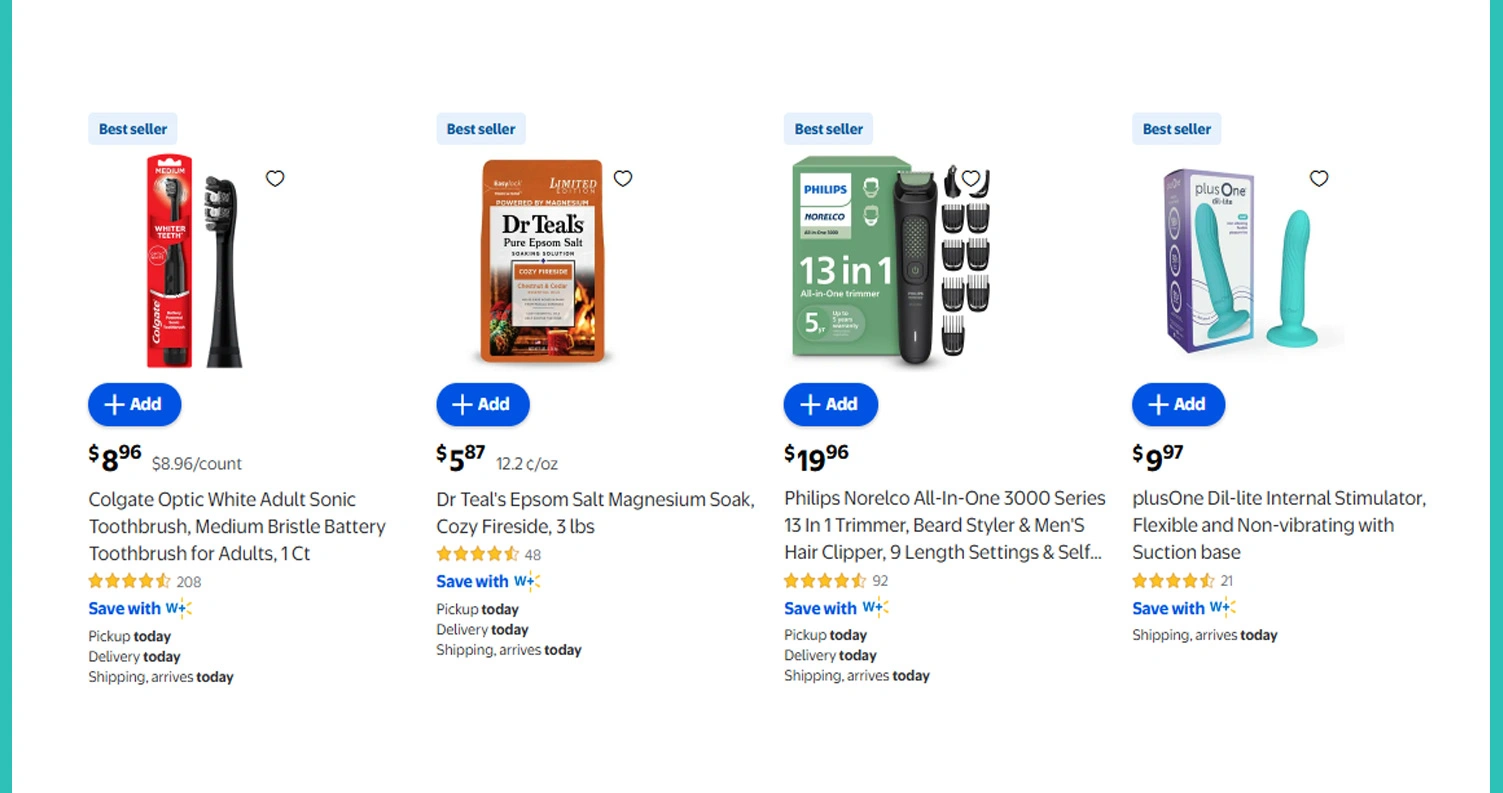
In the competitive retail space, precise and up-to-date data enables businesses to make informed strategic moves. Retailers depend heavily on analytics to understand changing price patterns, monitor competitors, and evaluate performance metrics. The use of Walmart Product Catalog Data Extraction simplifies this process by organizing product data across thousands of SKUs and multiple categories. When companies have access to clean and structured data, they can identify pricing trends, stock changes, and product visibility with remarkable speed and precision.
Real-time analytics help brands adjust their product mix and promotions in response to shifting customer preferences. Businesses that implement automated data solutions report up to 30% higher decision-making efficiency due to faster insights and reduced manual processing. This actionable intelligence empowers marketing teams to personalize campaigns and operations teams to optimize inventory turnover rates.
| Metric | Manual Tracking | Automated Extraction |
|---|---|---|
| Price Accuracy | 80% | 97% |
| Stock Updates | Weekly | Instant |
| Analysis Speed | Slow | 3x Faster |
Integrating automated product extraction not only enhances visibility but also reduces the likelihood of pricing discrepancies or out-of-stock errors. Such reliability builds consumer trust and sustains brand reputation in the long term. By focusing on data accuracy and speed, businesses are better positioned to capitalize on real-time retail opportunities.
This approach enables data-driven agility, which is essential for any company aiming to outperform competitors in dynamic markets. Through structured catalog insights, brands streamline internal workflows, enhance profitability, and set new benchmarks in operational excellence.
Strengthening Market Forecasts Through Advanced Data Mapping
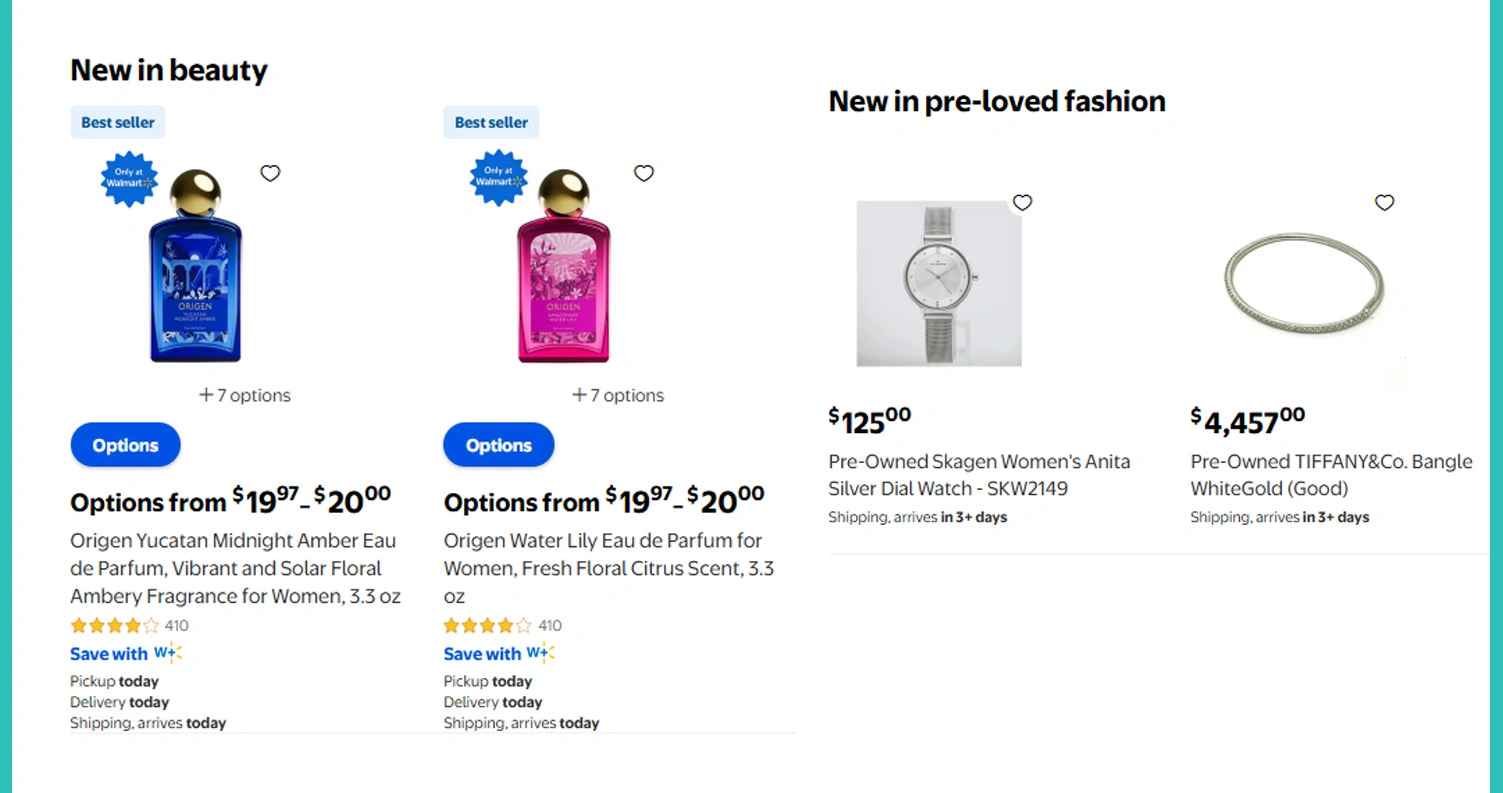
Accurate market forecasting relies on the ability to connect diverse retail data points into coherent insights. By integrating structured analytics and automation, organizations can evaluate emerging product categories, competitor pricing, and consumer buying behaviors efficiently.
The inclusion of Walmart Dataset for Market Analysis allows analysts to identify interrelations between price variations, sales performance, and promotional effectiveness across multiple SKUs. This integrated mapping improves forecasting accuracy, enabling smarter resource allocation and faster market responses. Brands that rely on advanced data mapping have seen a 35% increase in forecasting precision and a 28% improvement in assortment planning accuracy.
| Analytical Area | Performance Improvement |
|---|---|
| Forecast Accuracy | 35% |
| Assortment Planning | 28% |
| Demand Correlation | 26% |
By maintaining an updated Walmart Dataset, enterprises can generate valuable visualization layers to compare pricing and stock availability against market standards. These insights enable pricing analysts and supply managers to anticipate demand spikes and adjust production or marketing strategies accordingly.
Over time, this level of data integration translates into improved scalability and long-term growth sustainability. Businesses adopting advanced data mapping systems consistently demonstrate better responsiveness to competitive challenges, as they can base decisions on verified and granular datasets.
Enhancing Supply Chain Operations with Smart Inventory Planning

Efficient supply chain management depends on data that accurately reflects inventory and stock levels. Retailers can enhance operational efficiency by using automated systems designed to Extract Walmart Product Details, Stock Availability with high precision. This data-driven approach eliminates blind spots in the supply chain and ensures that decisions regarding procurement, replenishment, and logistics are backed by real-time insights.
Reports show that companies implementing smart scraping solutions have achieved a 40% decrease in stockouts and a 33% improvement in replenishment cycles. These outcomes demonstrate how structured data improves both warehouse and retail efficiency.
| KPI | Before Automation | After Data Integration |
|---|---|---|
| Stockout Frequency | 14% | 8% |
| Replenishment Time | 3 Days | 1 Day |
| Visibility Delay | 24 Hours | Real-Time |
Having a centralized data system helps logistics teams identify slow-moving items and reallocate stock before shortages occur. Furthermore, dynamic stock monitoring assists retailers in maintaining optimal stock levels across regional stores. This integration minimizes inventory holding costs while improving product availability, directly impacting customer satisfaction and repeat purchase rates.
By emphasizing predictive visibility, companies can align their supply chain and demand forecasts seamlessly. Efficient data extraction not only improves internal coordination but also supports sustainable growth by reducing waste and operational inefficiencies. In today’s competitive market, this balance between availability and agility defines the success of modern retail enterprises.
Advancing Brand Supervision and Product Tracking Efficiency

Product tracking and brand monitoring play a vital role in maintaining pricing consistency and protecting market reputation. Retailers can utilize automation to detect unauthorized listings, track seller activities, and ensure compliance across digital platforms. Implementing Walmart Product Code Scraping provides businesses with detailed traceability that supports these efforts. Such precision-driven product tracking ensures every SKU remains aligned with brand standards and pricing policies.
Studies indicate that companies employing automated monitoring solutions experience a 45% reduction in pricing inconsistencies and a 40% drop in counterfeit listings across online marketplaces.
| Monitoring Function | Manual Systems | Automated Monitoring |
|---|---|---|
| Price Consistency | 70% | 95% |
| Counterfeit Detection | Slow | Instant |
| Listing Accuracy | Moderate | High |
Accurate code-level data ensures that each product listed aligns with correct brand details, eliminating ambiguity across e-commerce channels. This continuous monitoring enables real-time compliance verification, enhancing credibility and trust among consumers. Additionally, automated insights reveal emerging patterns such as frequent unauthorized discounts or new sellers entering specific categories. Addressing these concerns swiftly preserves brand value and prevents potential revenue loss.
By using product code analytics, businesses create an environment of transparency and control over their product portfolios. The ability to identify discrepancies before they affect customer experience strengthens both brand equity and competitive advantage. In a fast-moving digital ecosystem, maintaining such vigilance ensures long-term reliability and customer loyalty.
Developing Predictive Demand Models Using Retail Insights
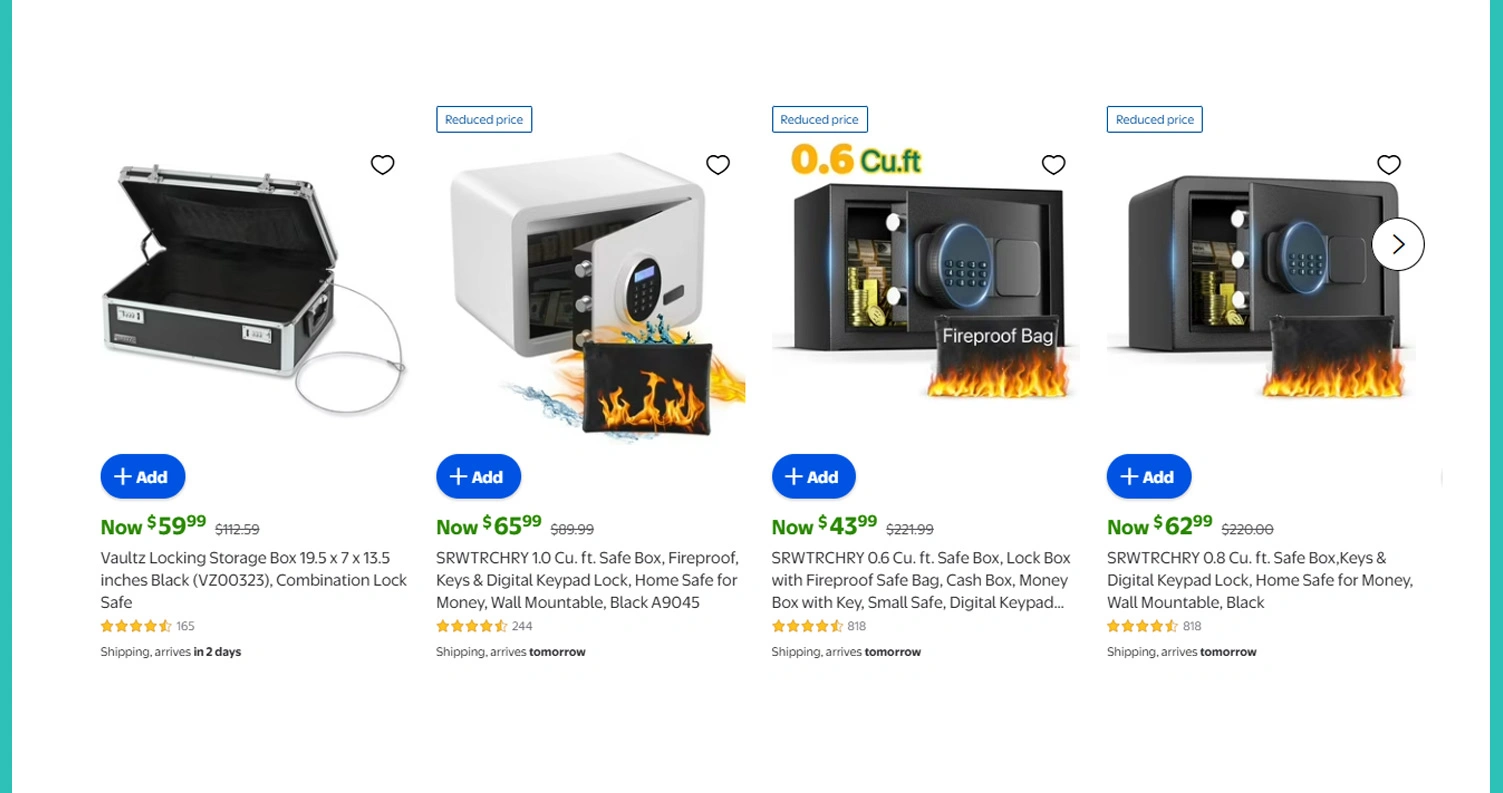
Predicting consumer demand requires integrating market signals with operational data. Using real-time datasets and automated extraction frameworks, brands can forecast trends more accurately, ensuring better production and marketing synchronization. Through Walmart Inventory Data Scraping, companies gain critical insights into how supply levels correspond with seasonal demand patterns and promotional outcomes.
Businesses adopting predictive demand models have reported up to 32% greater forecasting precision and a 27% improvement in stock turnover ratios. These results highlight how structured data can transform reactive inventory management into a proactive process.
| Predictive Factor | Pre-Implementation | Post-Implementation |
|---|---|---|
| Forecast Accuracy | 68% | 90% |
| Turnover Speed | Slow | Rapid |
| Overstock Occurrence | High | Low |
Leveraging these insights allows brands to plan inventory replenishment more effectively while minimizing the risks of surplus or shortage. Advanced modeling also improves cross-departmental coordination, enabling teams to anticipate demand fluctuations with confidence. Such intelligence helps marketing departments align promotions with actual buying patterns, leading to better conversion rates.
Moreover, finance teams benefit by achieving more stable cash flow management due to balanced stock levels. Predictive data-driven planning ultimately transforms supply chain efficiency, ensuring that customer expectations are met consistently while maintaining profitability. The integration of inventory analytics establishes a foundation for adaptive growth, making every business decision smarter and faster.
Unifying Decision-Making Processes Through Multi-Channel Insights
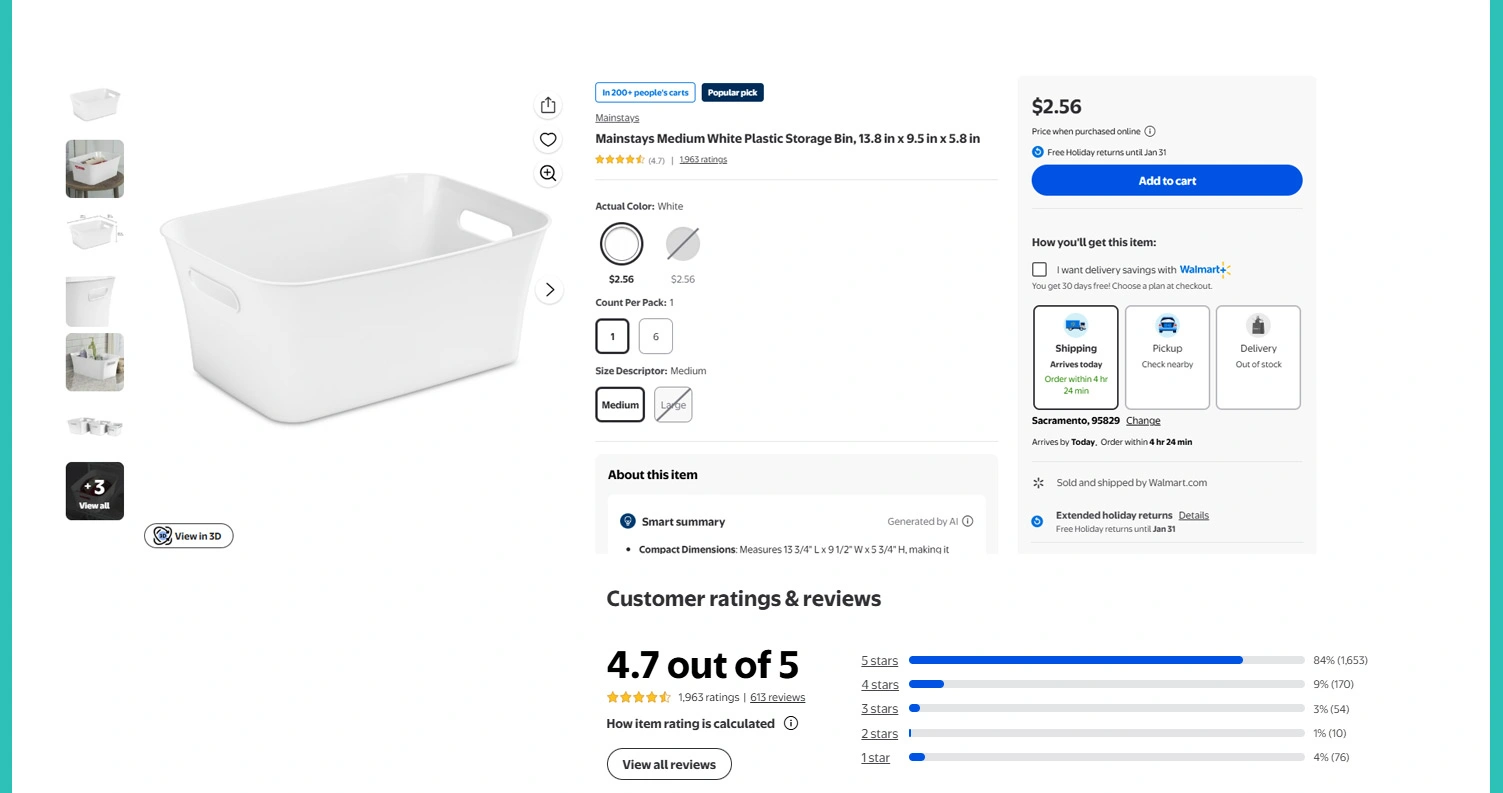
Modern retail decision-making thrives on the integration of multiple data sources into a single intelligent framework. Brands that consolidate online, mobile, and competitor datasets can recognize performance variations across geographies and platforms. Using E-Commerce Data Scraping Services, businesses establish a unified ecosystem where product, pricing, and promotional insights flow seamlessly between departments.
Organizations adopting integrated dashboards report a 45% rise in promotional efficiency and a 20% improvement in cross-channel coordination. These metrics emphasize how structured visibility supports faster and more accurate decisions across marketing, sales, and logistics.
| Channel | Key Insight | Update Frequency |
|---|---|---|
| Web Stores | Price Benchmarks | Hourly |
| Mobile Apps | Regional Patterns | Real-Time |
| Competitor Portals | Promotions | Daily |
A unified data strategy enhances collaboration by allowing teams to compare real-time market conditions with internal performance indicators. This transparency fosters more confident decision-making and reduces dependence on outdated reports.
Through integrated analytics, businesses evolve from siloed operations to cohesive intelligence-driven structures. Such transformation ensures sustainable growth, as decisions are no longer delayed by fragmented data systems but powered by unified insights that drive success.
How Mobile App Scraping Can Help You?
Businesses striving to Scrape Walmart Product and Pricing Data in Real-Time can amplify their data reach through advanced solutions. These technologies ensure that every price change, product addition, or promotional update from the Walmart app is captured instantly and presented in structured, actionable formats.
With mobile scraping, enterprises can:
- Collect dynamic price updates in real-time.
- Identify local store-based pricing variations.
- Track ongoing promotional offers and seasonal deals.
- Analyze product reviews and sentiment patterns.
- Benchmark competitor app listings effectively.
- Improve campaign targeting and market segmentation.
This approach delivers a deeper understanding of customer engagement patterns and product positioning. Additionally, businesses benefit from enhanced Walmart API for Product and Pricing Data integrations, ensuring consistent, high-quality analytics across digital ecosystems.
Conclusion
Incorporating automation to Scrape Walmart Product and Pricing Data in Real-Time is not just about speed — it’s about intelligence. By decoding price shifts, product updates, and competitor movements, organizations can refine strategies faster and make smarter business decisions that drive long-term growth.
Integrating structured data through Walmart Dataset for Market Analysis provides a consistent edge in inventory management, demand prediction, and pricing optimization. Get in touch Mobile App Scraping to turn live market data into measurable business growth.