Introduction
The food delivery industry is evolving at an unprecedented pace, and businesses that fail to anticipate demand shifts risk losing ground to more agile competitors. Using Scraped Food Delivery Data for Demand Forecasting has emerged as a foundational strategy for delivery platforms seeking smarter, faster, and more reliable operational decisions. With consumer behavior changing dynamically across time zones, weather conditions, and seasonal cycles, static planning models are no longer sufficient to sustain growth.
Modern delivery ecosystems generate massive volumes of transactional and behavioral data every minute. Food Delivery App Data Extraction plays a pivotal role in capturing this real-time intelligence at scale, converting raw platform data into structured inputs that power predictive analytics engines. Organizations that invest in robust data pipelines gain a measurable advantage in capacity planning, resource allocation, and customer satisfaction outcomes.
AI Food Delivery Demand Prediction Using Real-Time Data is reshaping how logistics managers and operations teams respond to fluctuating order volumes across cities and neighborhoods. By combining intelligent scraping infrastructure with machine learning models, forward-thinking businesses are transforming uncertainty into strategic opportunity, making every delivery window more efficient and every forecast more dependable.
The Client
A rapidly scaling food delivery aggregator operating across multiple metropolitan regions approached us to strengthen their demand forecasting capabilities through intelligent data strategies. Their leadership team recognized early that intuition-based planning was creating costly inefficiencies, particularly during peak hours and promotional periods. Using Scraped Food Delivery Data for Demand Forecasting became their primary focus for resolving persistent supply-demand mismatches that were affecting fulfillment rates.
The client managed a diverse network of restaurant partners spread across urban, semi-urban, and suburban delivery zones. Coordinating delivery agent availability, kitchen preparation timelines, and order routing logic required granular visibility into demand patterns at the hyperlocal level. Predicting Restaurant Demand Using Food Delivery Data Scraping was identified as the most effective path toward building that visibility without overburdening internal data teams with manual collection workflows.
Their core objective was to implement a scalable, automated intelligence framework capable of processing multi-platform delivery data continuously. Restaurant Data Scraping for Food Delivery formed the backbone of this initiative, enabling the client to benchmark competitor performance, track menu-level demand signals, and feed predictive models with consistent, high-quality inputs across all operational markets.
The Challenge
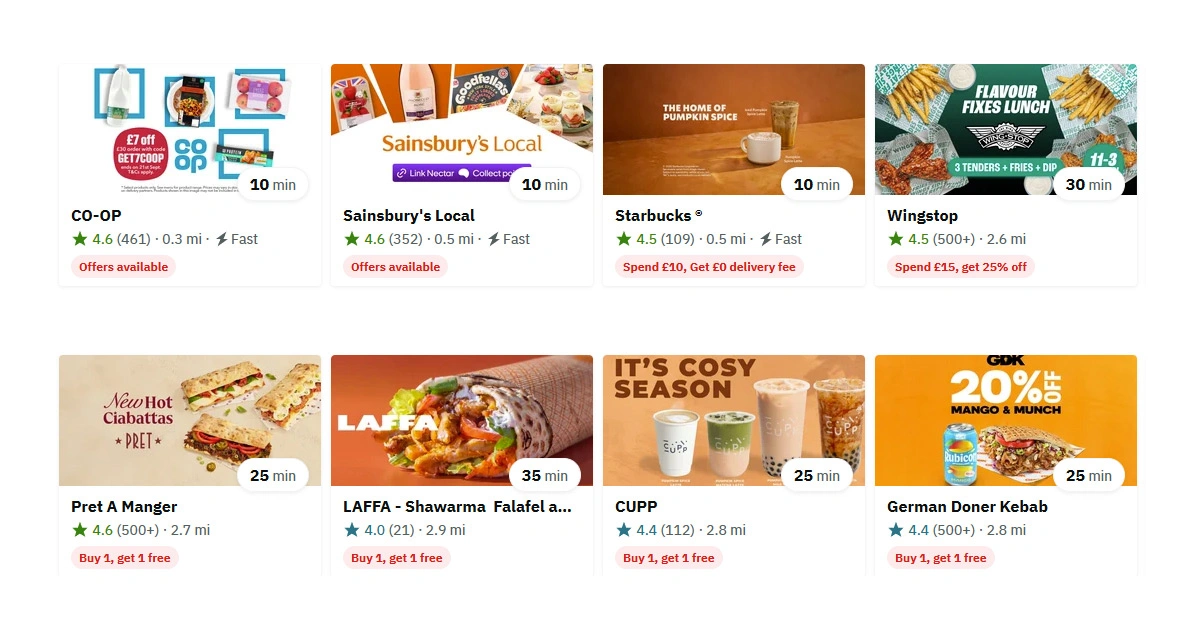
The client faced challenges in building a data-driven, demand-responsive delivery system across regions, with API Scraping helping streamline access to essential operational data.
Key issues included:
- Fragmented data sources across multiple delivery platforms made it nearly impossible to build unified demand views, limiting the effectiveness of Machine Learning for Food Delivery Demand Forecasting models that required clean, consolidated inputs to function accurately.
- Outdated forecasting methods relied heavily on historical averages and failed to account for real-time demand triggers such as weather events, local promotions, or trending cuisines, weakening AI Food Delivery Demand Prediction Using Real-Time Data initiatives.
- Inconsistent pricing visibility across competitor platforms reduced the client's ability to respond strategically during high-demand windows, making informed adjustments difficult without reliable Food Delivery Market Intelligence and Price Scraping capabilities.
- Manual data gathering processes introduced significant delays between data collection and actionable output, causing operational teams to react to demand spikes rather than predict and prepare for them in advance.
These compounding challenges prevented the client from achieving the operational fluency needed to compete at scale in a densely contested delivery market.
The Solution
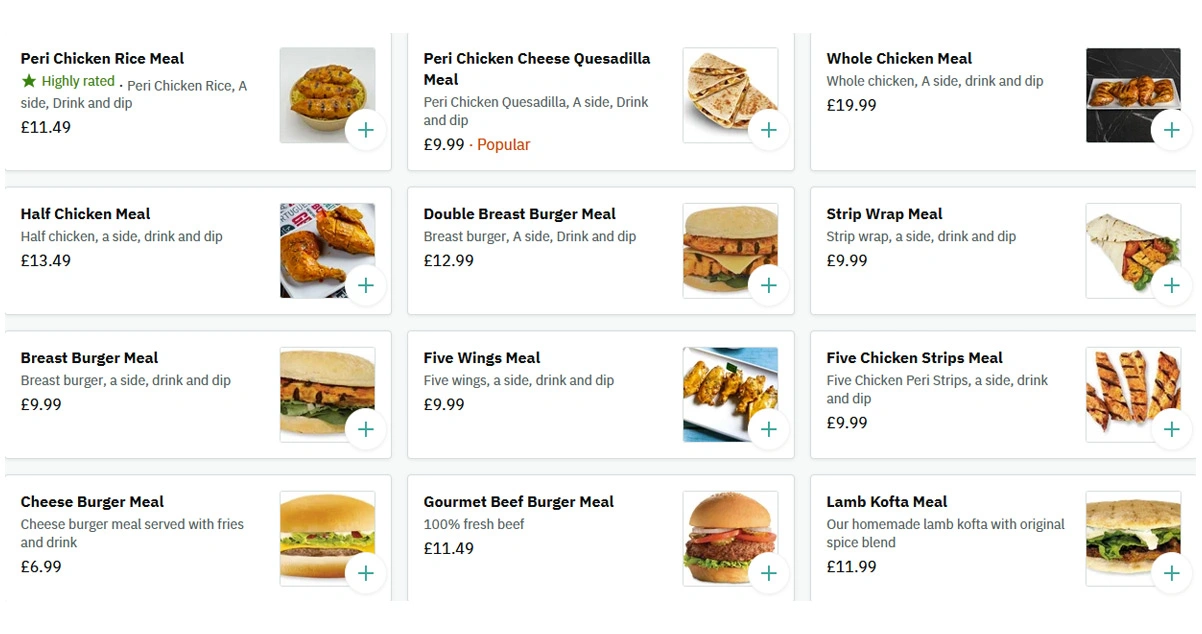
Our team designed a modular, AI-powered intelligence architecture tailored specifically to address the client's demand forecasting gaps across all delivery zones.
- Demand Signal Aggregator
A real-time data collection layer built around Predicting Restaurant Demand Using Food Delivery Data Scraping principles, continuously pulling order frequency, item-level demand, and time-based consumption patterns from across delivery platforms to create a unified demand signal library. - Unified Data Intelligence Layer
This system processes Food Delivery Datasets sourced through structured API pipelines, normalizing inconsistent data formats from multiple platforms into analysis-ready inputs that power downstream forecasting algorithms with greater speed and accuracy. - Adaptive Forecast Engine
Applies Machine Learning for Food Delivery Demand Forecasting to detect cyclical demand patterns, emerging cuisine trends, and location-specific consumption behaviors, enabling operations teams to pre-position delivery resources before demand peaks materialize. - Competitive Pricing Pulse
Monitors competitor menu pricing and promotional activity through Food Delivery Market Intelligence and Price Scraping, delivering timely alerts that allow the client to adjust pricing strategies and promotional timing with precision and competitive confidence.
Implementation Process

We executed the solution through a structured, phased deployment designed to minimize disruption while maximizing data coverage across all target markets.
- Multi-Platform Extraction Framework
Built a robust scraping infrastructure capable of collecting structured delivery data from multiple apps simultaneously, supporting Restaurant Data Scraping for Food Delivery at scale while maintaining data freshness through automated refresh cycles tied to operational demand windows. - Intelligent Data Refinement Pipeline
Raw collected data passed through multi-stage cleansing, deduplication, and enrichment workflows, ensuring that every record entering the forecasting model met strict quality thresholds required for reliable AI Food Delivery Demand Prediction Using Real-Time Data outcomes. - Predictive Deployment Hub
Integrated refined data outputs directly into the client's operational dashboards, enabling demand forecast scores, capacity alerts, and route optimization recommendations to surface in real time through a centralized decision-support interface.
Results & Impact
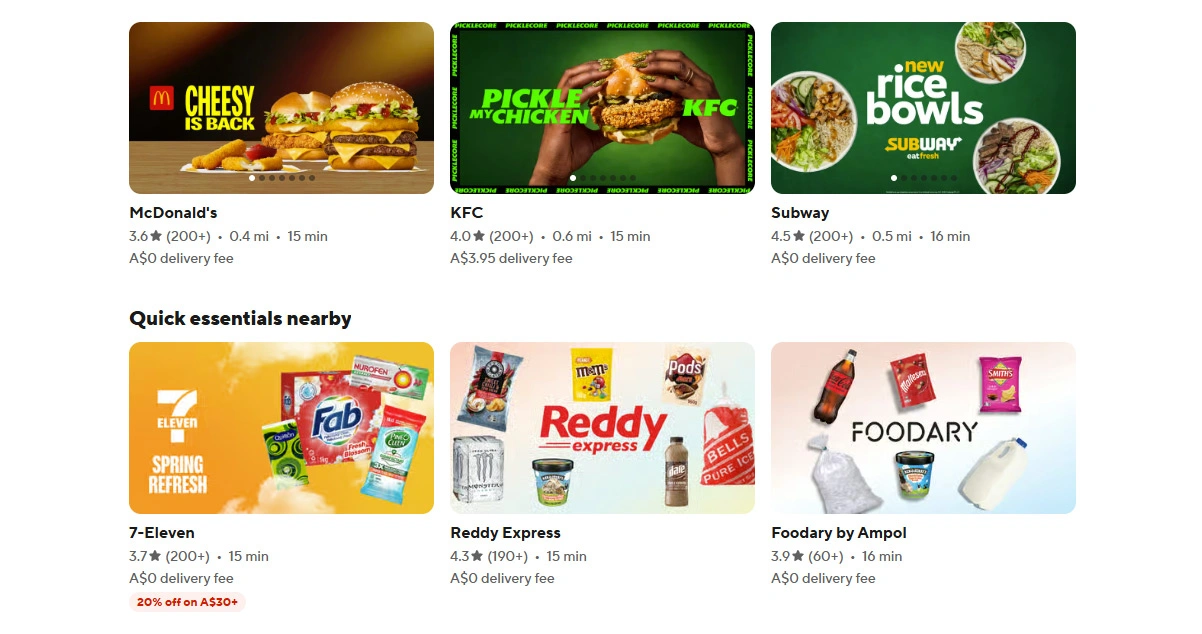
The deployed solution delivered measurable improvements across forecasting accuracy, delivery efficiency, and strategic agility for the client's operations.
- Forecast Accuracy Advancement
The client achieved significantly improved demand prediction precision across all delivery zones by implementing Machine Learning for Food Delivery Demand Forecasting, reducing over-preparation and under-resourcing incidents during high-volume service windows. - Delivery Capacity Optimization
Teams used real-time demand signals from Restaurant Data Scraping for Food Delivery to align delivery agent deployment with actual order volumes, eliminating coverage gaps during peak hours and reducing idle time during slower periods. - Pricing Strategy Refinement
Continuous monitoring through Food Delivery Market Intelligence and Price Scraping enabled the client to identify competitor promotional windows and respond with targeted pricing adjustments that protected revenue margins during competitive demand cycles. - Hyperlocal Intelligence Advantage
Granular location-based demand data empowered regional managers to tailor menu availability recommendations and partner prioritization strategies, improving customer satisfaction scores and strengthening platform loyalty across diverse urban and suburban markets.
Key Highlights
- Demand-First Intelligence Design
Delivers comprehensive forecasting precision by combining Using Scraped Food Delivery Data for Demand Forecasting with behavioral pattern analysis, giving operations teams actionable, location-specific insights that translate directly into smarter delivery decisions. - Real-Time Market Responsiveness
Supports dynamic operational adjustments through AI Food Delivery Demand Prediction Using Real-Time Data, continuously tracking demand fluctuations, competitor pricing shifts, and consumption trend movements for rapid, confident response. - Integrated Forecasting Ecosystem
Enables seamless cross-platform intelligence by applying Predicting Restaurant Demand Using Food Delivery Data Scraping, consolidating multi-source delivery data into a unified view that supports consistent and scalable forecasting across all operating regions.
Use Cases
Equip your food delivery operations with intelligence-driven tools that support sharper decisions and stronger market positioning.
- Order Volume Anticipation
Demand Forecasting Operations empowers logistics managers with predictive tools built on Machine Learning for Food Delivery Demand Forecasting, helping teams align kitchen preparation schedules, delivery agent availability, and routing plans with anticipated order volumes. - Competitor Pricing Surveillance
Market Pricing Strategy enables pricing analysts to monitor real-time competitor adjustments using Pricing Intelligence Data Scraping, supporting agile promotional planning and margin-conscious pricing moves across highly competitive delivery corridors. - Regional Consumption Analytics
Geographic Demand Mapping equips expansion planning teams with granular market data sourced through Restaurant Data Scraping for Food Delivery, enabling smarter restaurant partner onboarding decisions and targeted service zone development based on verified demand signals. - Promotional Impact Modeling
Campaign Performance Analysis strengthens marketing decisions by combining historical demand patterns with real-time platform data, enabling teams to design high-impact promotions through Food Delivery Market Intelligence and Price Scraping for maximum reach and conversion.
Client's Testimonial

Partnering with Mobile App Scraping transformed how we approach demand planning entirely. Their expertise in Using Scraped Food Delivery Data for Demand Forecasting gave our operations team access to intelligence we never had before. We went from reactive guesswork to confident, proactive decision-making, and the impact on our fulfillment rates and customer experience has been remarkable. The integration of Predicting Restaurant Demand Using Food Delivery Data Scraping into our forecasting workflows is something we should have pursued much earlier.
– Marves Ellroy, Head of Delivery Operations
Conclusion
In an industry where every minute of delay and every misallocated resource carries a real cost, Using Scraped Food Delivery Data for Demand Forecasting is no longer optional, it is a competitive necessity. Businesses that invest in intelligent data infrastructure today are building the operational resilience needed to lead tomorrow's delivery landscape.
Through advanced scraping methodologies and AI-powered analytics, we help food delivery platforms decode demand complexity with accuracy and speed. AI Food Delivery Demand Prediction Using Real-Time Data capabilities ensure your forecasting models stay current, responsive, and aligned with actual market conditions at all times.
Contact Mobile App Scraping today to discover how our tailored food delivery intelligence solutions can reshape your demand forecasting strategy, strengthen your fulfillment capacity, optimize your delivery operations, and position your platform for sustained growth in an increasingly competitive and data-driven food delivery ecosystem.