Introduction
The quick commerce landscape has fundamentally reshaped how consumer brands compete for visibility and purchase intent. Shelf Space Optimization Using Quick Commerce Data Scraping has emerged as a transformative approach that empowers FMCG brands to make precise, intelligence-backed decisions about product placement, promotional timing, and inventory positioning across fast-moving digital marketplaces.
At Mobile App Scraping, we specialize in delivering structured, scalable data solutions through Quick Commerce App Data Scraping Services that turn raw marketplace signals into strategic business advantage. As quick commerce platforms multiply and consumer expectations around delivery speed and product availability continue to rise, having a reliable data foundation is no longer optional; it is the baseline for sustained market relevance.
This case study illustrates how a leading consumer goods brand partnered with us to strengthen its digital shelf presence across multiple quick commerce platforms. Through intelligent data acquisition and continuous monitoring, the brand achieved measurable improvements in product visibility, pricing alignment, and regional market performance using Marketplace Data Scraping built specifically for the demands of fast-paced retail ecosystems.
The Client
A nationally recognized FMCG company with an extensive portfolio spanning packaged foods, beverages, and personal care products approached our team with a clearly defined challenge: their products were losing shelf visibility across key quick commerce platforms despite strong offline retail performance. Leveraging Shelf Space Optimization Using Quick Commerce Data Scraping, the brand sought a smarter, technology-driven path to reclaiming their market position.
The brand operated across more than 12 urban markets and was actively expanding into Tier-2 cities. Their internal teams relied heavily on periodic sales reports and distributor feedback, both of which arrived too late to influence real-time shelf decisions. They recognized that Ecommerce Product Catalog API Dataset capabilities would allow them to monitor product listings, pricing fluctuations, and competitor positioning in real time rather than reacting after the market had already shifted.
To achieve this vision, the brand needed a partner capable of delivering continuous, structured intelligence at scale. The core requirement was not simply data collection, it was the translation of that data into actionable inputs for their category management, trade marketing, and pricing teams. With growing pressure from private label competitors and aggressive promotional activity from rivals, the urgency to implement Quick Commerce Pricing and Availability Datasets had never been higher.
The Challenge
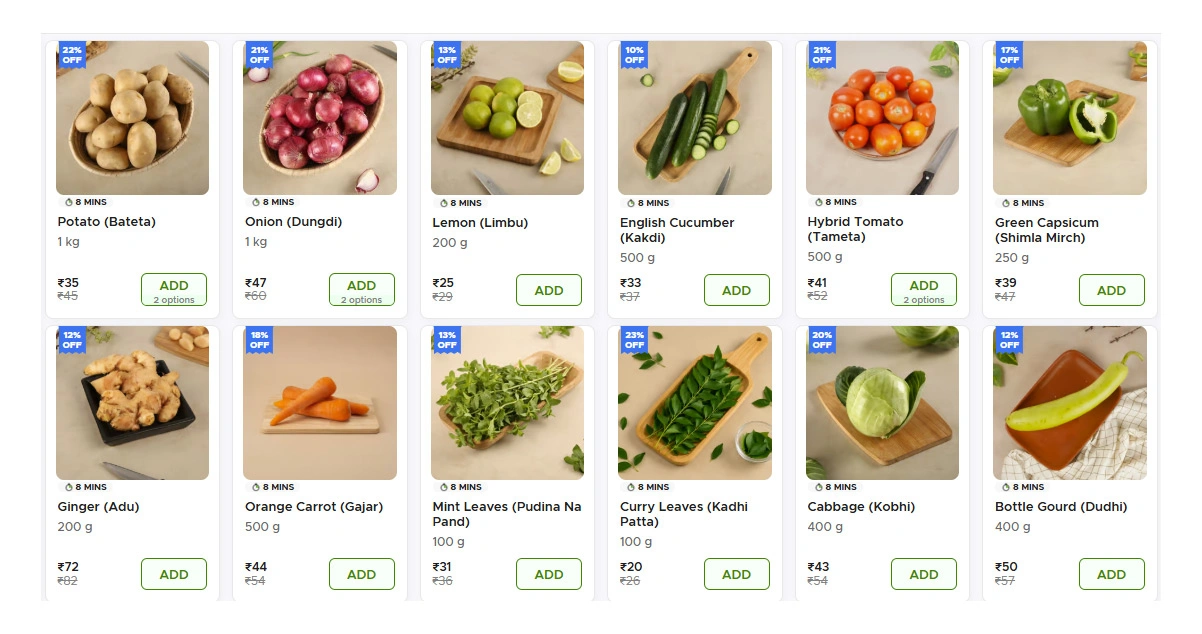
The brand encountered a set of deeply interconnected data and operational challenges that prevented them from making timely, informed shelf decisions across their key quick commerce platforms.
- Fragmented Platform Visibility
Product listings behaved inconsistently across platforms such as Blinkit, Zepto, and Swiggy Instamart. The absence of Quick Commerce Marketplace Analytics Scraping meant that category managers were flying blind when evaluating cross-platform shelf performance. - Delayed Stock Intelligence
Stockout events were being identified only after customers had already switched to competitor products. The inability to Product Availability Data Scraping in real time meant the brand could not proactively coordinate with platform partners to restore listings before revenue impact became significant. - Inconsistent Competitor Benchmarking
The brand had no structured process for tracking how competitors were adjusting pricing, bundling strategies, or promotional placements in response to seasonal demand shifts. This gap significantly weakened their ability to make confident decisions around promotional investment and shelf positioning. - No Unified Data Layer
Regional teams were working from separate spreadsheets and anecdotal distributor feedback, making cross-market strategy alignment nearly impossible. The lack of a unified intelligence layer prevented leadership from identifying which markets needed intervention and which were performing above expectations.
The Solution
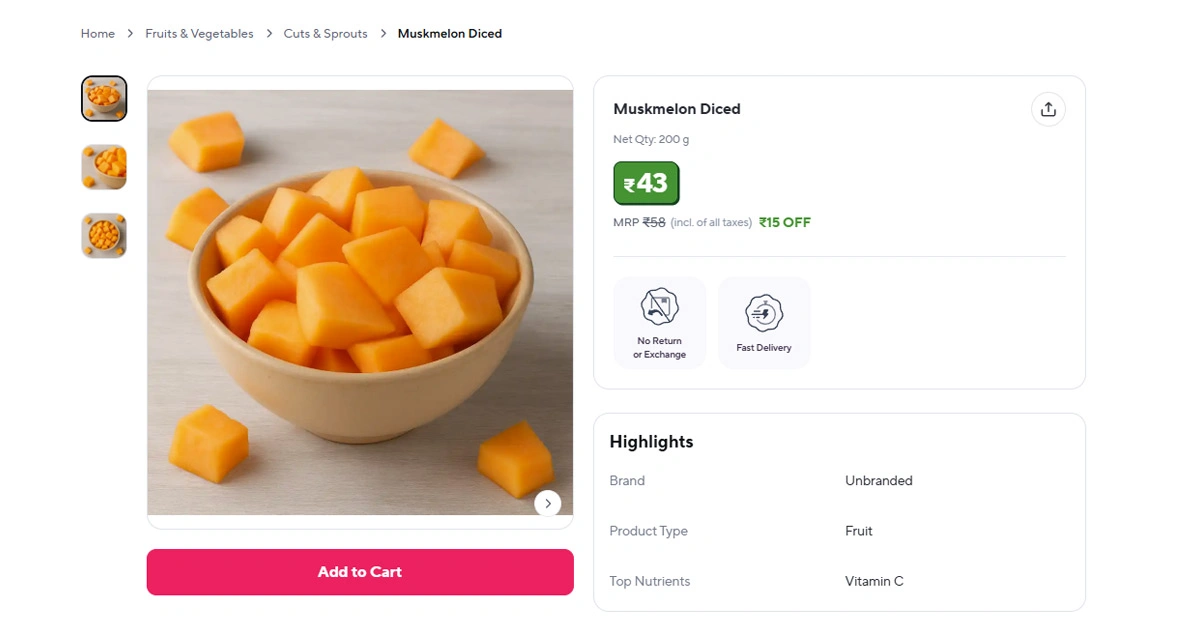
Our team designed a modular, high-performance data solution built specifically for the quick commerce environment, ensuring continuous data coverage across all relevant platforms and geographies.
- Velocity Shelf Monitor
This system forms the operational backbone of Quick Commerce Product Analytics Monitoring Dataset delivery, ensuring brands receive timely signals before shelf disruptions translate into lost revenue. - Platform Catalog Sync Layer
Built using Grocery Supermarkets Store Datasets as a structural reference point, this layer ensures that every product variant, SKU description, and image asset is accurately mapped and consistently represented across all active platforms, reducing listing errors and improving conversion-ready shelf presence. - Regional Intelligence Grid
A geo-segmented data architecture that captures platform-specific consumer behavior, pricing patterns, and availability trends at the city level. By feeding this data into the brand's planning cycles, teams could tailor shelf strategies based on genuine local demand signals rather than national averages. - Competitive Positioning Engine
Powered by Quick Commerce Product Catalog Data Monitoring Service, the engine gives category teams a clear, up-to-date picture of the competitive shelf landscape.
Implementation Process
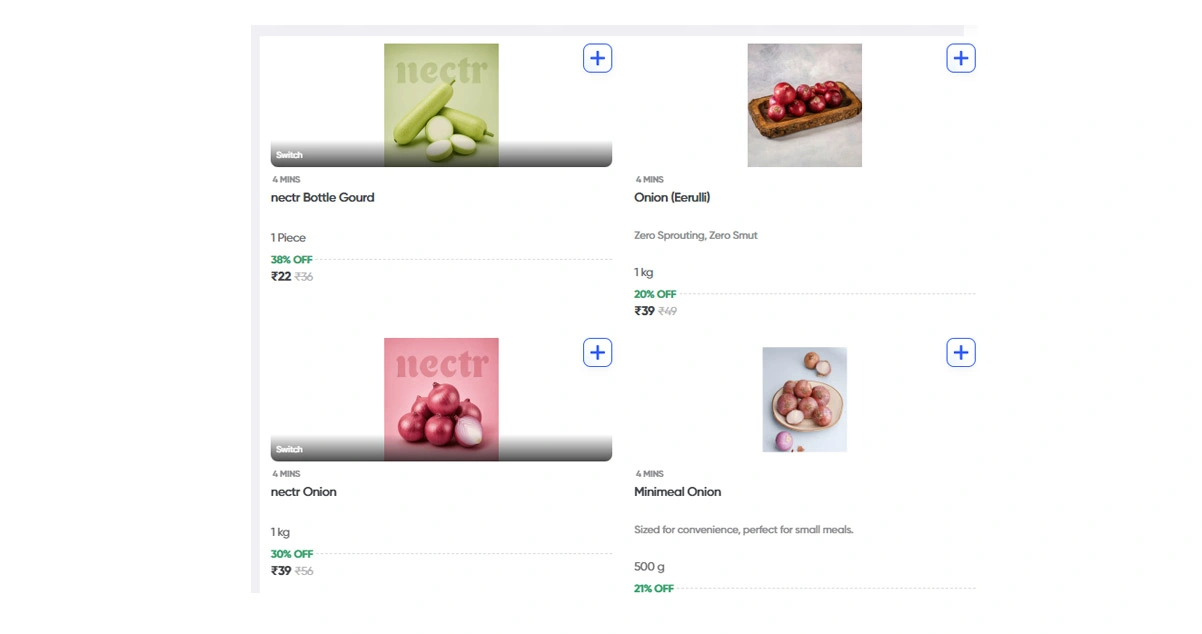
Deploying this architecture required careful sequencing, technical precision, and close collaboration with the brand's internal stakeholders across category management, digital commerce, and supply chain.
- Rapid Onboarding and Scope Definition
This exercise allowed us to configure scraping parameters that were both comprehensive and compliant, ensuring data quality from day one while establishing baselines for ongoing performance benchmarking using Extract Stock Availability Data for Quick Commerce Brands. - Structured Data Validation Framework
Raw data extracted from multiple platforms passed through a multi-stage validation and normalization pipeline. This process was central to delivering reliable Real-Time Quick Commerce Datasets for Fmcg Brands that the brand's teams could act on with confidence. - Dashboard Integration and Team Enablement
Training sessions were conducted to help each team interpret data outputs, set alert thresholds, and design response workflows tied to shelf performance indicators supported by Ecommerce Product Catalog API Dataset feeds.
Results & Impact
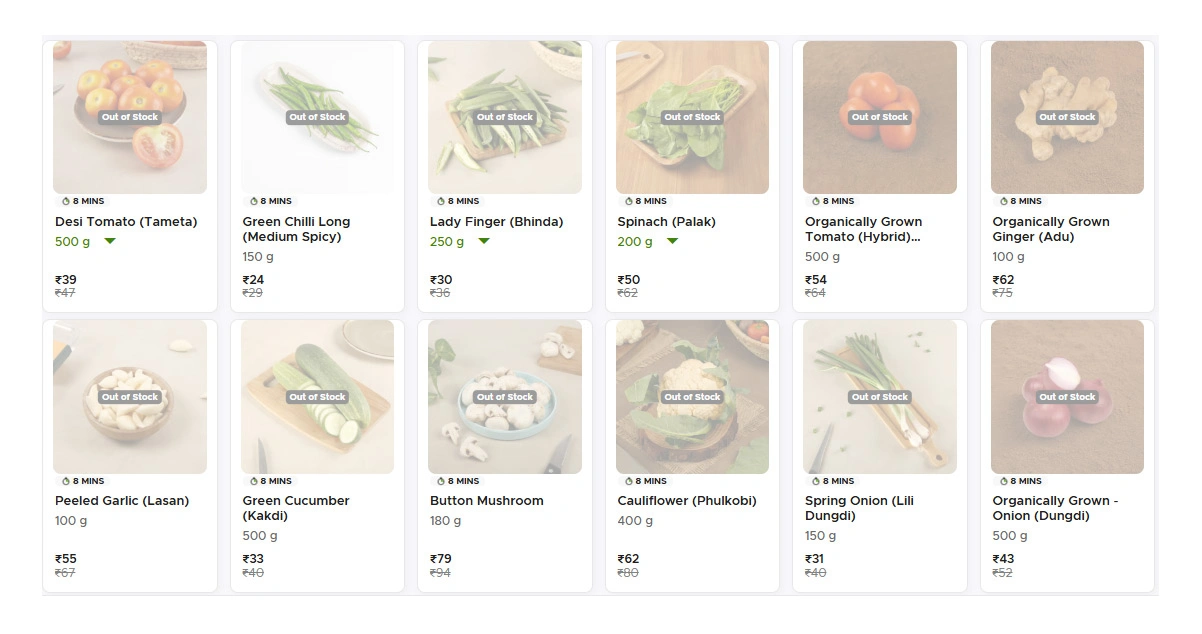
The impact of the program was measurable, visible, and directly tied to the brand's core commercial objectives.
- Digital Shelf Recovery
The systematic use of Quick Commerce Marketplace Analytics Scraping allowed teams to catch and correct these issues before they resulted in search ranking penalties or customer-facing availability errors. - Stockout Response Time
By implementing processes to Extract Stock Availability Data for Quick Commerce Brands in real time, supply chain coordinators could trigger replenishment workflows the moment an out-of-stock signal was detected, reducing revenue loss from avoidable shelf gaps. - Pricing Alignment Across Markets
This improvement was driven directly by continuous monitoring through Quick Commerce Pricing and Availability Datasets, which enabled the pricing team to detect platform-level deviations and correct them within hours. - Competitive Visibility Gains
Category share improved in 7 of 12 tracked urban markets within the first quarter, reflecting the strategic value of continuous Quick Commerce Product Catalog Data Monitoring Service powered insights.
Key Highlights
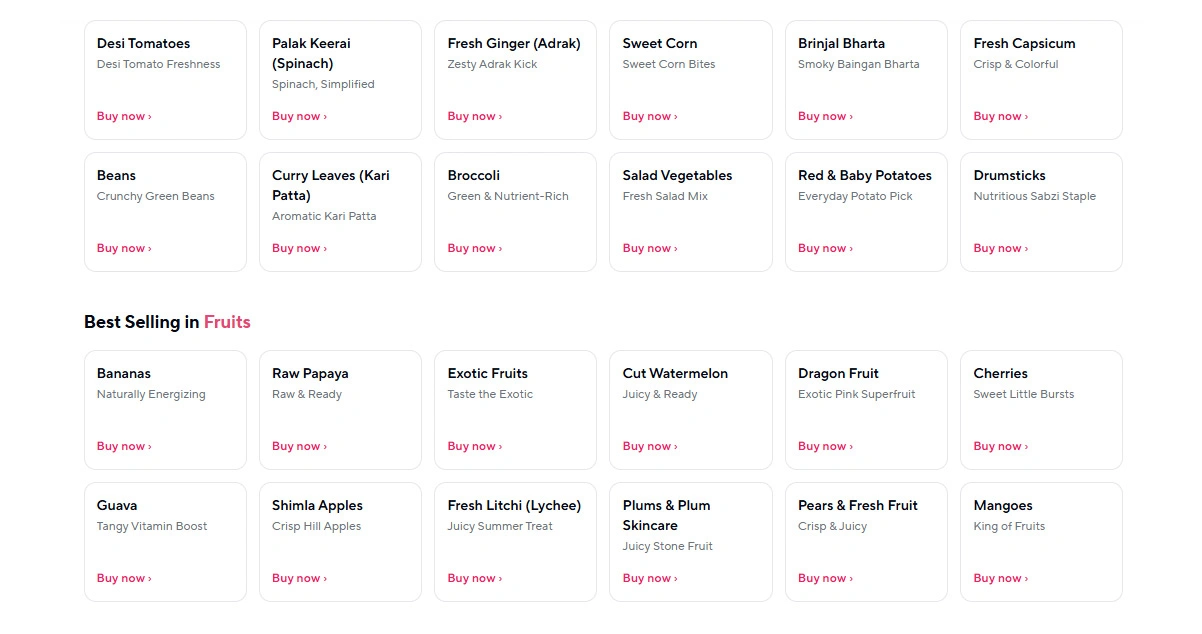
- Category Shelf Strategy
Brands can use continuous platform data to evaluate which product categories are gaining or losing shelf prominence across key quick commerce apps. Marketplace Data Scraping enables category leads to identify gaps in digital shelf presence and prioritize SKUs that drive the highest contribution to platform-level revenue. - Demand-Responsive Assortment Planning
What Makes Quick Commerce Data APIs for Retail Brands in 2026 increasingly relevant is the ability to align product assortment decisions with real-time demand signals rather than lagging sales reports. - Promotional Effectiveness Tracking
Trade marketing teams can monitor how promotional pricing, bundling, and placement changes affect search visibility and conversion rates across platforms. When combined with competitor activity tracking, this capability enables brands to time promotions more precisely and defend shelf position during high-demand periods. - New Market Expansion Intelligence
Before entering a new city or region, brands can use Real-Time Quick Commerce Datasets for Fmcg Brands to assess platform penetration levels, category competitiveness, and pricing benchmarks allowing more confident and data-backed expansion decisions.
Client's Testimonial

The depth intelligence of Mobile App Scraping has fundamentally changed how our category teams approach shelf planning on quick commerce platforms. Shelf Space Optimization Using Quick Commerce Data Scraping is no longer a concept we discuss in planning sessions; it is a daily operational reality for our teams. The Quick Commerce Product Analytics Monitoring Dataset feeds integrated seamlessly into our workflows and have become indispensable.
– Harold S. Banks, Head of Digital Commerce Strategy
Conclusion
In a retail environment defined by speed, precision, and relentless competition, FMCG brands cannot afford to operate on delayed or incomplete shelf intelligence. Shelf Space Optimization Using Quick Commerce Data Scraping is not a one-time project, it is an ongoing competitive capability that compounds in value as market complexity grows.
The brands that invest in Ecommerce Product Catalog API Dataset infrastructure today will be the ones that own the digital shelf tomorrow, making smarter decisions faster and with far greater confidence than those relying on conventional reporting cycles.
Contact Mobile App Scraping today to find out how our quick commerce data solutions can help your brand secure stronger shelf positioning, reduce stockout exposure, and build a real-time intelligence advantage across every platform that matters to your business.