How Does Web Scraping Retail Price Benchmarking for Competitor Analytics Boost Pricing Accuracy?
Introduction
Retail pricing has become increasingly dynamic as brands compete across multiple online marketplaces and digital storefronts. Businesses that rely on outdated or manually collected pricing information often struggle to respond to competitor changes, resulting in missed sales opportunities or shrinking profit margins. Web Scraping Retail Price Benchmarking for Competitor Analytics provides a structured approach to collecting competitor pricing information, allowing businesses to evaluate market movements with greater confidence.
Combined with Pricing Intelligence Data Scraping, organizations can transform large volumes of pricing data into meaningful business insights that support smarter pricing strategies and improved customer engagement. Instead of relying on assumptions, decision-makers gain access to reliable competitive benchmarks that reveal pricing gaps, seasonal trends, and promotional effectiveness.
Studies indicate that retailers using automated pricing intelligence can reduce pricing errors by over 30% while improving competitive response times by nearly 40%. With accurate market visibility, businesses can refine product positioning, optimize margins, and maintain consistent competitiveness across categories. As online retail competition continues to intensify, data-driven pricing has become an essential component of sustainable growth and long-term profitability.
Understanding Market Price Differences Through Continuous Competitive Tracking
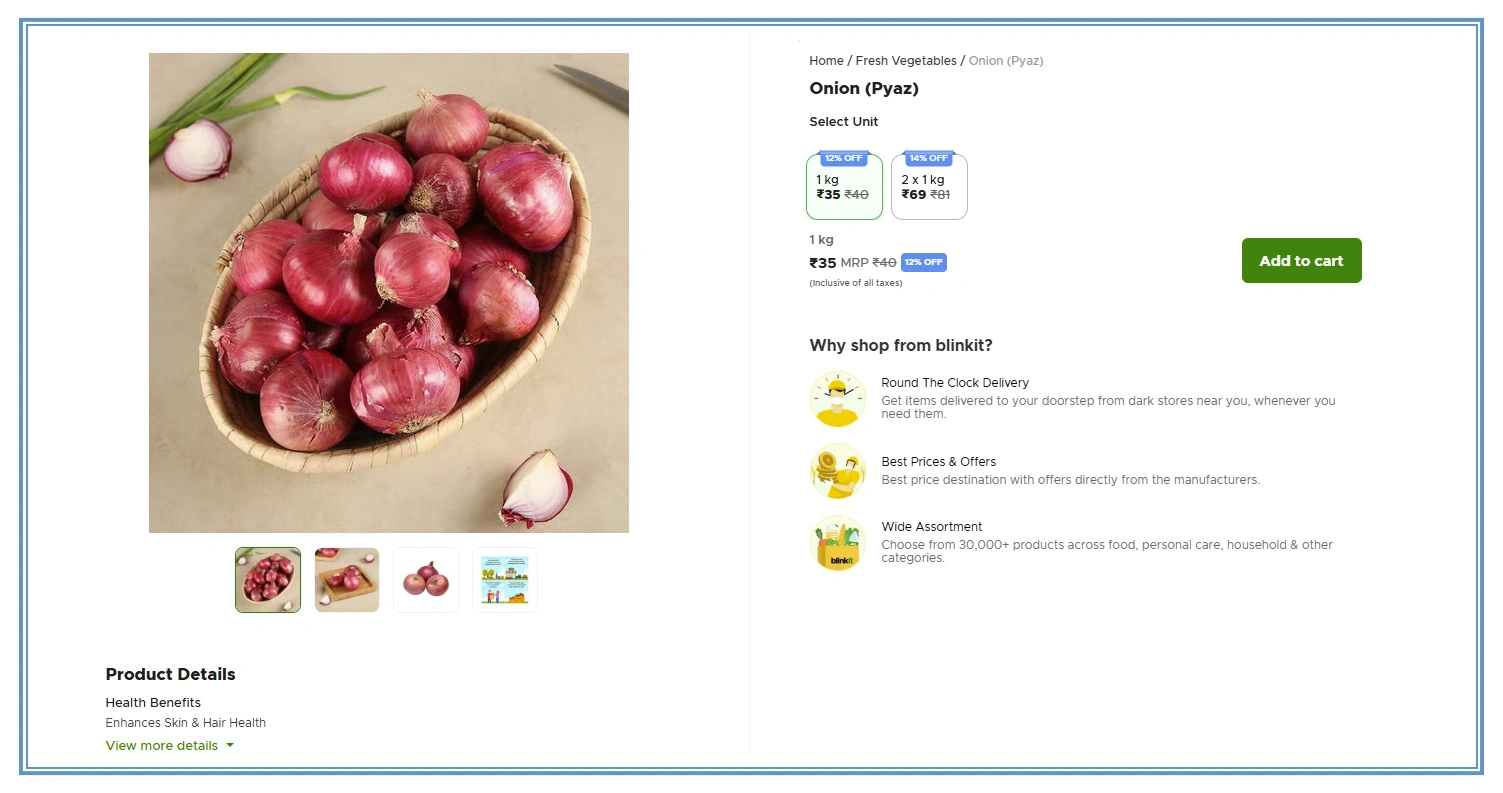
Retail businesses face constant pricing pressure because competitors frequently update prices, introduce limited-time promotions, and adjust product positioning. Depending on manual monitoring often leads to delayed responses that affect sales and profitability. A structured pricing intelligence strategy allows organizations to compare market prices consistently and identify pricing gaps before they influence customer purchasing decisions.
Businesses can evaluate product-level variations, promotional campaigns, inventory availability, and regional pricing trends using automated data collection methods. Integrating Price Optimization Service into pricing workflows helps retailers determine profitable selling prices while balancing competitiveness and revenue objectives.
Organizations can also improve pricing visibility with Multi-Retailer Price Comparison via Scraper, allowing them to evaluate identical products across several retail platforms simultaneously. As markets become increasingly dynamic, businesses that rely on automated competitor monitoring achieve faster decision-making while improving pricing confidence across every sales channel.
| Pricing Challenge | Business Impact | Recommended Approach |
|---|---|---|
| Frequent competitor price updates | Reduced competitiveness | Continuous automated monitoring |
| Manual comparison processes | Delayed pricing decisions | Automated benchmarking |
| Promotional pricing changes | Lost revenue opportunities | Real-time market tracking |
| Inconsistent product pricing | Margin erosion | Intelligent pricing recommendations |
| Multiple retailer monitoring | Limited visibility | Centralized comparison system |
Stat: Industry reports indicate retailers using automated pricing intelligence improve pricing accuracy by nearly 35%, reducing manual effort while supporting more consistent competitive decisions.
Responding Quickly to Dynamic Retail Pricing Movements
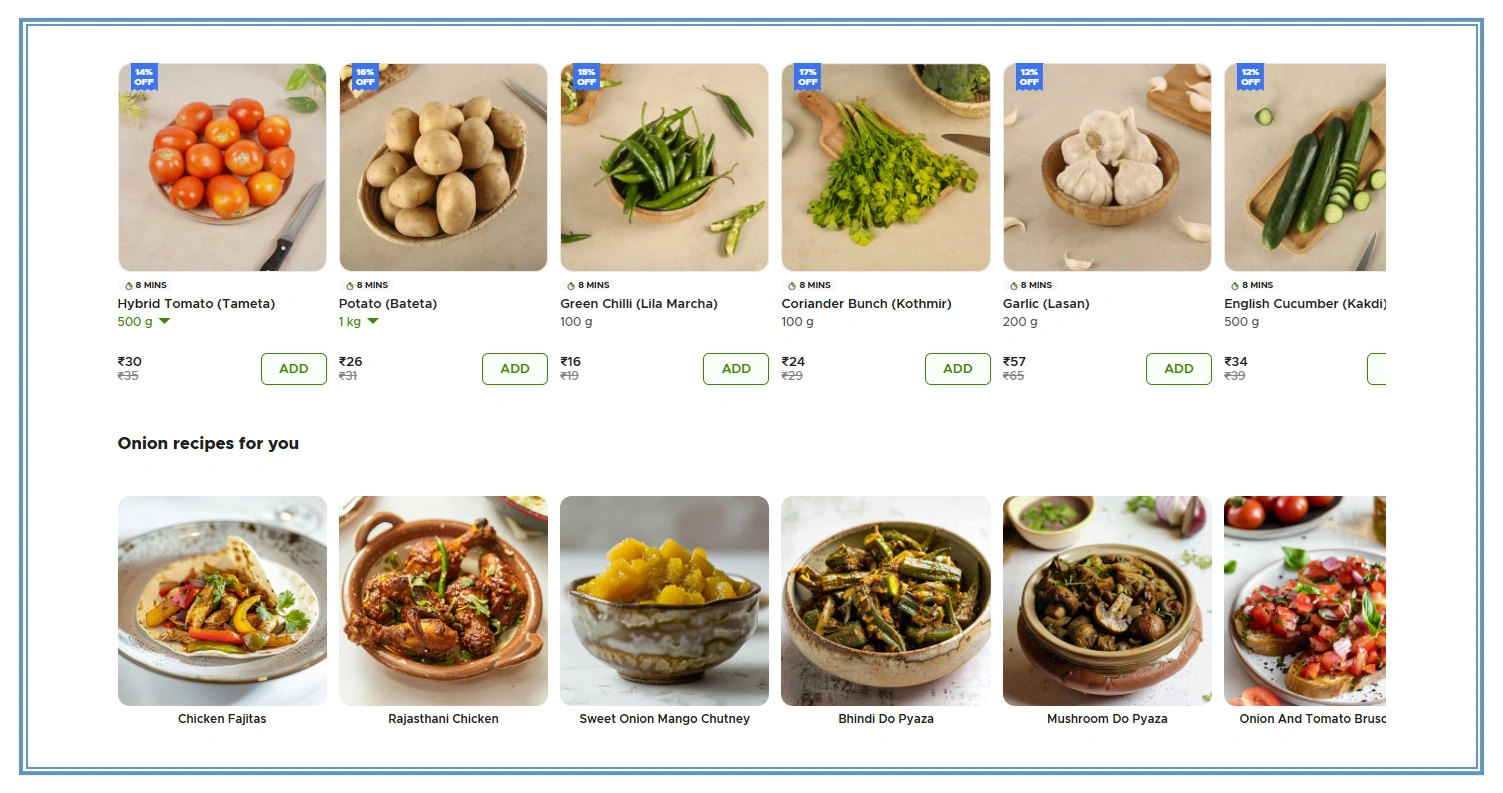
Online retail markets evolve continuously as sellers modify prices according to inventory, customer demand, seasonal campaigns, and promotional strategies. Combining E-Commerce Data Scraping with intelligent monitoring systems allows organizations to collect competitor prices, promotional offers, product availability, and category-level pricing changes from multiple retail platforms.
Businesses further strengthen competitive visibility through Scrape Retail Pricing Intelligence, enabling pricing teams to analyze market behavior with greater precision. Continuous access to pricing data improves promotional planning, supports campaign optimization, and reduces pricing inconsistencies across digital storefronts. Businesses depending on occasional market reviews often struggle to keep pace with these rapid changes, leading to missed opportunities and weaker competitive positioning.
Organizations can also identify sudden competitor discounts before they significantly impact conversions, making it easier to respond with strategic adjustments rather than reactive decisions. Consistent monitoring creates a stronger foundation for long-term pricing governance while helping retailers maintain customer confidence and profitability within increasingly competitive online marketplaces.
| Market Situation | Data Collected | Business Advantage |
|---|---|---|
| Flash promotions | Instant price updates | Faster competitive response |
| Inventory changes | Availability monitoring | Better pricing alignment |
| Seasonal discounts | Promotion tracking | Improved campaign planning |
| Category pricing shifts | Competitive comparison | Smarter decision-making |
| Dynamic retail pricing | Continuous monitoring | Increased responsiveness |
Stat: Studies show organizations using automated retail monitoring improve competitive response speed by approximately 45% compared with manual pricing processes.
Building Smarter Long-Term Decisions With Historical Pricing Insights
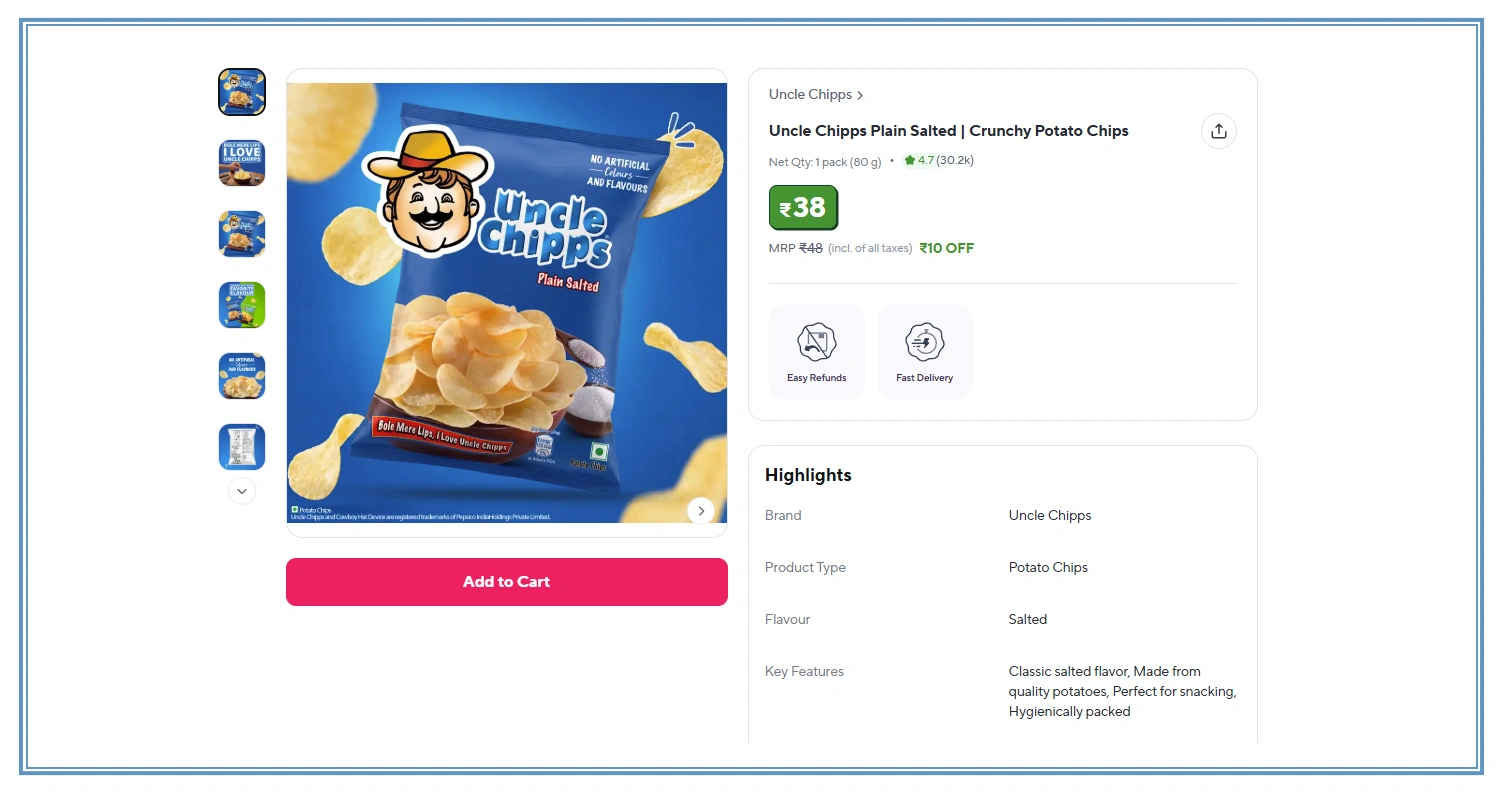
Successful retail pricing depends not only on current market conditions but also on understanding long-term pricing patterns that influence customer purchasing behavior. Historical pricing intelligence helps businesses evaluate seasonal trends, promotional effectiveness, product lifecycle performance, and competitor pricing consistency across different categories. Reliable E-Commerce Datasets provide structured historical information that supports forecasting models, category planning, and strategic pricing decisions for future growth.
Organizations can strengthen these capabilities through Retail Analytics Using Data Extraction, allowing pricing teams to transform raw market information into meaningful business intelligence. Historical analysis also improves promotional planning by identifying recurring pricing cycles, customer demand fluctuations, and regional pricing differences that would otherwise remain unnoticed.
Businesses using comprehensive historical insights make more informed decisions regarding product launches, inventory planning, and pricing optimization while minimizing unnecessary discounting. Rather than relying solely on short-term market reactions, retailers establish sustainable pricing strategies supported by consistent competitive intelligence and measurable market trends.
| Historical Insight | Business Application | Expected Outcome |
|---|---|---|
| Seasonal pricing trends | Forecast planning | Better inventory decisions |
| Competitor pricing history | Strategic benchmarking | Improved pricing consistency |
| Promotion performance | Campaign evaluation | Higher profitability |
| Customer buying patterns | Demand forecasting | Smarter planning |
| Category performance | Product optimization | Sustainable growth |
Stat: Businesses using historical pricing analytics report nearly 25% improvement in long-term pricing strategy and forecasting accuracy.
How Mobile App Scraping Can Help You?
Retail businesses increasingly depend on mobile commerce, making application-based pricing data as important as website information. By implementing Web Scraping Retail Price Benchmarking for Competitor Analytics, companies can monitor app-exclusive offers, mobile discounts, loyalty pricing, and inventory updates that may not appear on desktop platforms.
Key advantages include:
- Track real-time product price updates across multiple mobile platforms.
- Monitor promotional campaigns without manual research.
- Compare inventory availability between competing retailers.
- Capture product assortment changes automatically.
- Analyze discount frequency across different marketplaces.
- Build reliable pricing reports for strategic planning.
Businesses seeking scalable automation can further strengthen their competitive research with Retail Price Scraper API, enabling seamless integration of pricing information into existing analytics systems while reducing manual effort and improving reporting consistency.
Conclusion
Accurate pricing decisions require continuous market visibility instead of occasional manual reviews. Businesses adopting Web Scraping Retail Price Benchmarking for Competitor Analytics can improve pricing precision, respond faster to competitor movements, and build sustainable pricing strategies supported by reliable market intelligence.
Expanding these capabilities with Multi-Retailer Price Comparison via Scraper helps organizations compare products across numerous retailers using a consistent benchmarking framework. Contact Mobile App Scraping today to build a customized retail pricing intelligence solution that drives smarter business decisions and measurable growth.