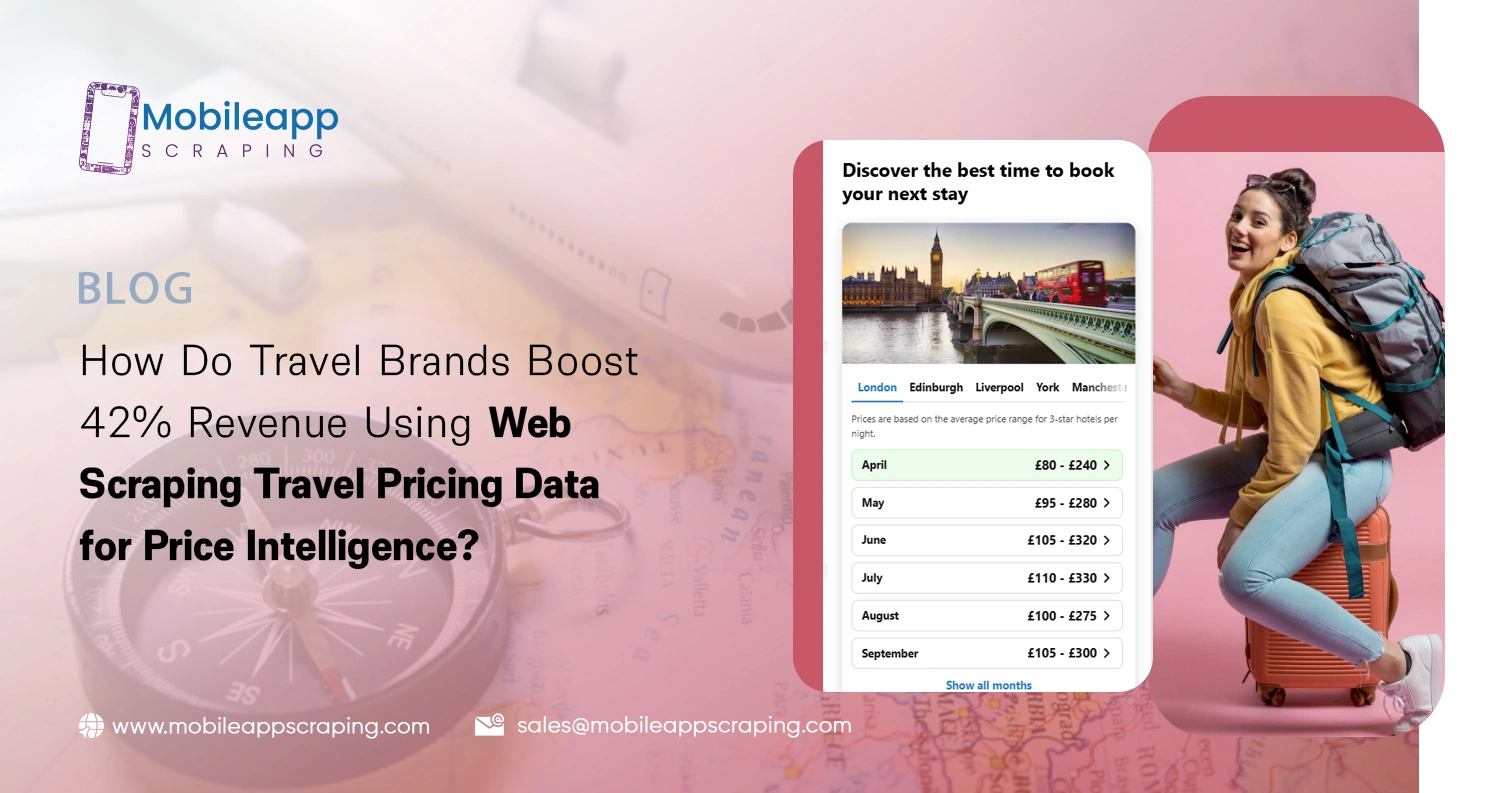
How Do Travel Brands Boost 42% Revenue Using Web Scraping Travel Pricing Data for Price Intelligence?
Introduction
In today’s fast-evolving travel ecosystem, pricing dynamics change within seconds, influenced by demand spikes, competitor strategies, and seasonal fluctuations. Travel brands that fail to adapt to these rapid changes often lose potential bookings and revenue opportunities. This is where Web Scraping Travel Pricing Data for Price Intelligence becomes a game-changer, enabling businesses to capture real-time pricing insights and respond strategically.
Modern travel companies are increasingly adopting Travel Apps Scraping Services to extract actionable insights from multiple sources. These services allow brands to monitor competitors, track demand patterns, and identify pricing gaps that can be optimized for higher profitability. With advanced data pipelines and automation, businesses can continuously collect and analyze travel pricing data without manual intervention.
As competition intensifies, data-driven pricing decisions are no longer optional—they are essential. Leveraging intelligent scraping solutions not only enhances pricing accuracy but also empowers travel brands to predict trends and align their offerings with market demand. Ultimately, this approach leads to better customer experiences, optimized pricing models, and significant revenue growth.
Creating Unified Visibility Across Multiple Travel Data Sources

Travel businesses frequently encounter challenges due to scattered pricing information across multiple platforms such as airline websites, OTAs, and aggregators. This fragmentation limits their ability to gain a clear understanding of competitor pricing and market demand. To overcome this, companies are increasingly relying on structured Tours and Travel Datasets that consolidate information from diverse sources into a unified framework.
A critical advantage of this approach is the ability to perform Travel Fare Comparison Using Scraped Data for Better Planning, which allows brands to benchmark fares and identify pricing gaps. Additionally, travel apps scraping play a vital role in capturing app-exclusive pricing insights that are often missed through traditional web data collection methods.
Centralized data not only improves visibility but also enhances decision-making speed. Businesses can track route-level pricing trends, identify peak booking periods, and optimize offerings accordingly. This approach reduces dependency on manual data gathering while improving overall efficiency.
Key Benefits of Centralized Travel Data:
| Challenge | Solution | Impact |
|---|---|---|
| Disparate pricing sources | Unified data aggregation | Better visibility |
| Manual data collection | Automated scraping systems | Time and cost savings |
| Limited competitor insight | Real-time fare comparison | Improved pricing strategies |
| Inconsistent data formats | Structured datasets | Accurate analytics |
By consolidating fragmented data into actionable insights, travel brands can strengthen their competitive positioning and improve revenue outcomes.
Managing Rapid Fare Changes with Smarter Pricing Insights
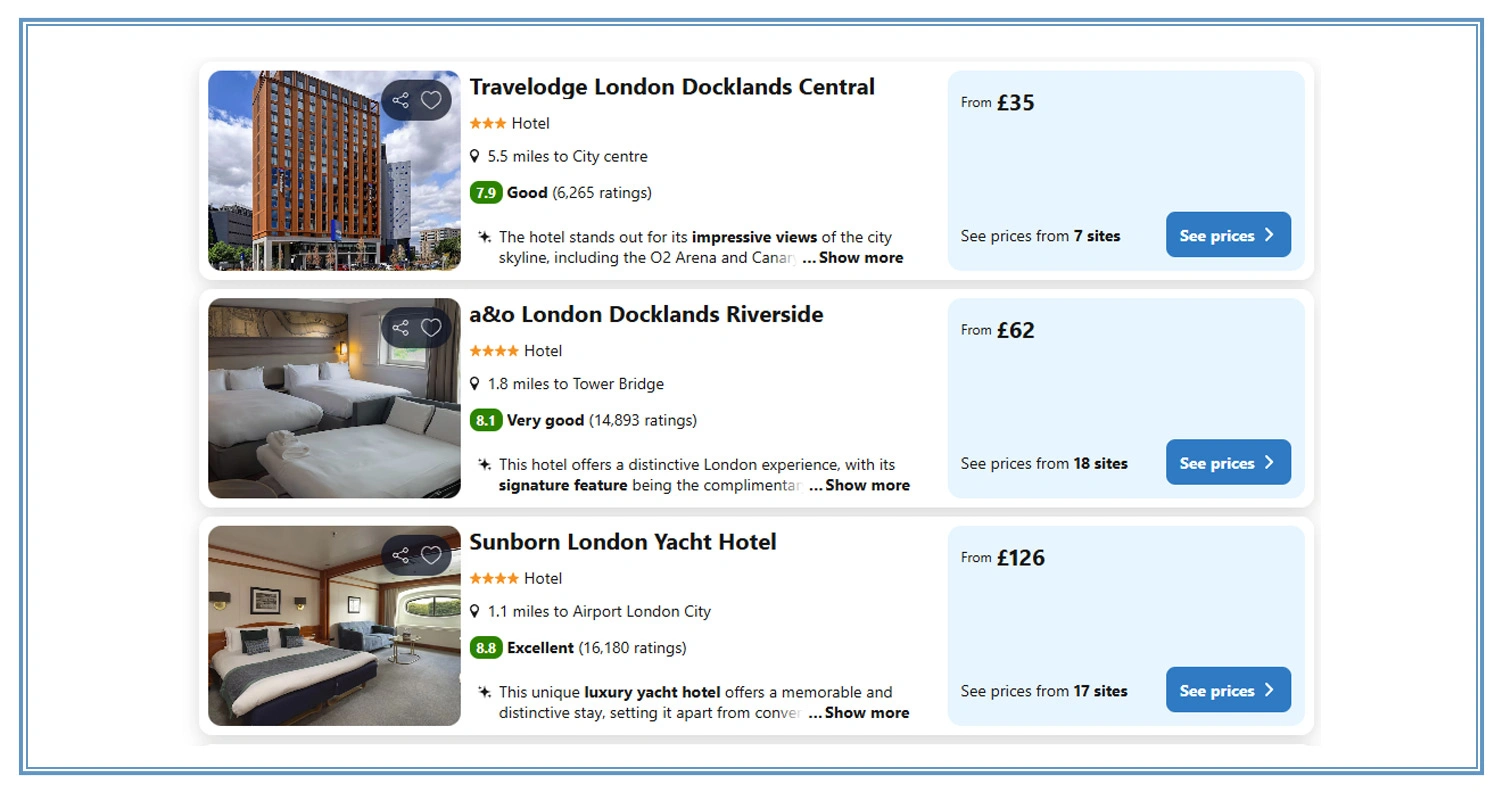
The travel industry experiences constant price fluctuations influenced by demand, seasonality, and competitor behavior. Leveraging Real Time Flight Price Scraping for Travel Companies enables organizations to monitor fare updates continuously and react instantly to market shifts.
In addition to real-time tracking, Price Monitoring Services provide ongoing visibility into competitor pricing patterns. This allows travel brands to avoid pricing inconsistencies and ensure their offerings remain competitive at all times. Furthermore, integrating AI Powered Travel Price Intelligence Using Scraping enhances forecasting capabilities by analyzing both historical and live data to predict future pricing trends.
This combination of real-time monitoring and predictive analytics helps businesses move from reactive to proactive pricing strategies. Instead of adjusting prices after market changes occur, companies can anticipate shifts and align their pricing accordingly.
Impact of Real-Time Pricing Intelligence:
| Factor | Without Data Intelligence | With Scraping Solutions |
|---|---|---|
| Price updates | Delayed | Instant |
| Demand forecasting | Limited | Accurate predictions |
| Competitor tracking | Manual | Automated |
| Revenue optimization | Reactive | Proactive |
Adopting intelligent pricing insights ensures that travel businesses remain agile and competitive in a rapidly evolving marketplace.
Building Scalable Systems for Reliable Data Extraction

Handling large-scale travel pricing data requires robust and scalable extraction systems. Traditional data collection methods often fail to keep up with the complexity of modern travel platforms, leading to incomplete or outdated information. To address these limitations, businesses are turning to Travel Pricing API Data Extraction techniques that allow seamless access to structured data sources.
Another effective strategy is to Scrape API Data, ensuring continuous access to real-time pricing information from various travel platforms. This approach minimizes disruptions and improves the reliability of collected data. Additionally, adopting Cloud Based Travel Data Extraction Solutions enables organizations to scale their operations efficiently while managing high volumes of data.
Cloud-based systems provide flexibility, allowing businesses to adjust their data collection processes based on demand. They also reduce infrastructure costs and simplify maintenance, making them an ideal choice for growing travel companies. By combining API-based extraction with cloud infrastructure, organizations can build resilient data pipelines that support advanced analytics and decision-making.
Advantages of Scalable Data Extraction:
| Limitation | Advanced Solution | Business Outcome |
|---|---|---|
| Limited scalability | Cloud-based infrastructure | High data throughput |
| API restrictions | Optimized extraction methods | Consistent data access |
| Data latency | Real-time pipelines | Faster decision-making |
| Maintenance complexity | Automated systems | Reduced operational effort |
With scalable extraction systems in place, travel brands can ensure consistent access to accurate data and maintain a strong competitive edge.
How Mobile App Scraping Can Help You?
Mobile applications have become a primary channel for travel bookings, making them a valuable source of pricing data. Integrating Web Scraping Travel Pricing Data for Price Intelligence into our strategies allows businesses to capture exclusive deals, app-only discounts, and real-time updates that are not always available on websites.
Our approach includes:
- Capture pricing trends across multiple travel apps.
- Monitor competitor offerings in real time.
- Identify seasonal demand patterns.
- Enhance pricing strategy accuracy.
- Improve customer targeting insights.
- Support faster decision-making processes.
By incorporating these capabilities, travel brands can build a strong data foundation that supports revenue growth and competitive positioning. Furthermore, combining these insights with Cloud Based Travel Data Extraction Solutions ensures scalability and seamless data integration across platforms.
Conclusion
Travel businesses aiming for consistent growth must rely on data-driven pricing strategies to remain competitive. Implementing Web Scraping Travel Pricing Data for Price Intelligence helps brands optimize pricing, improve forecasting, and maximize profitability in a dynamic market.
Additionally, integrating advanced capabilities like AI Powered Travel Price Intelligence Using Scraping enhances predictive accuracy and enables smarter decision-making. Start transforming your travel pricing strategy today with Mobile App Scraping and take your revenue growth to the next level.