

How Does RERA Data Extraction for Real Estate Project Intelligence Simplify Property Market Research?

Introduction
The modern real estate landscape demands precise, up-to-date information to navigate complex legal frameworks, shifting prices, and evolving consumer preferences. Traditional market research methods often lag behind rapid market shifts, leading to outdated conclusions. Navigating comprehensive Real Estate Datasets empowers industry professionals to make swift, data-driven decisions while minimizing operational risks.
By implementing RERA Data Extraction for Real Estate Project Intelligence, property firms can seamlessly aggregate regulatory filings, construction schedules, and developer track records. This structured intelligence transforms raw public records into actionable insights, providing clear visibility into market supply and project compliance without manual data entry hassles.
Ultimately, automated extraction bridges the gap between regulatory transparency and market opportunity. Modern property firms leverage RERA Data Extraction for Real Estate Project Intelligence to evaluate risk, track timelines, and uncover hidden market trends. Embracing these advanced analytical tools ensures high precision in evaluating competitor performance and identifying viable investment avenues.
Optimizing Property Industry Research via Strategic Competitor Audits
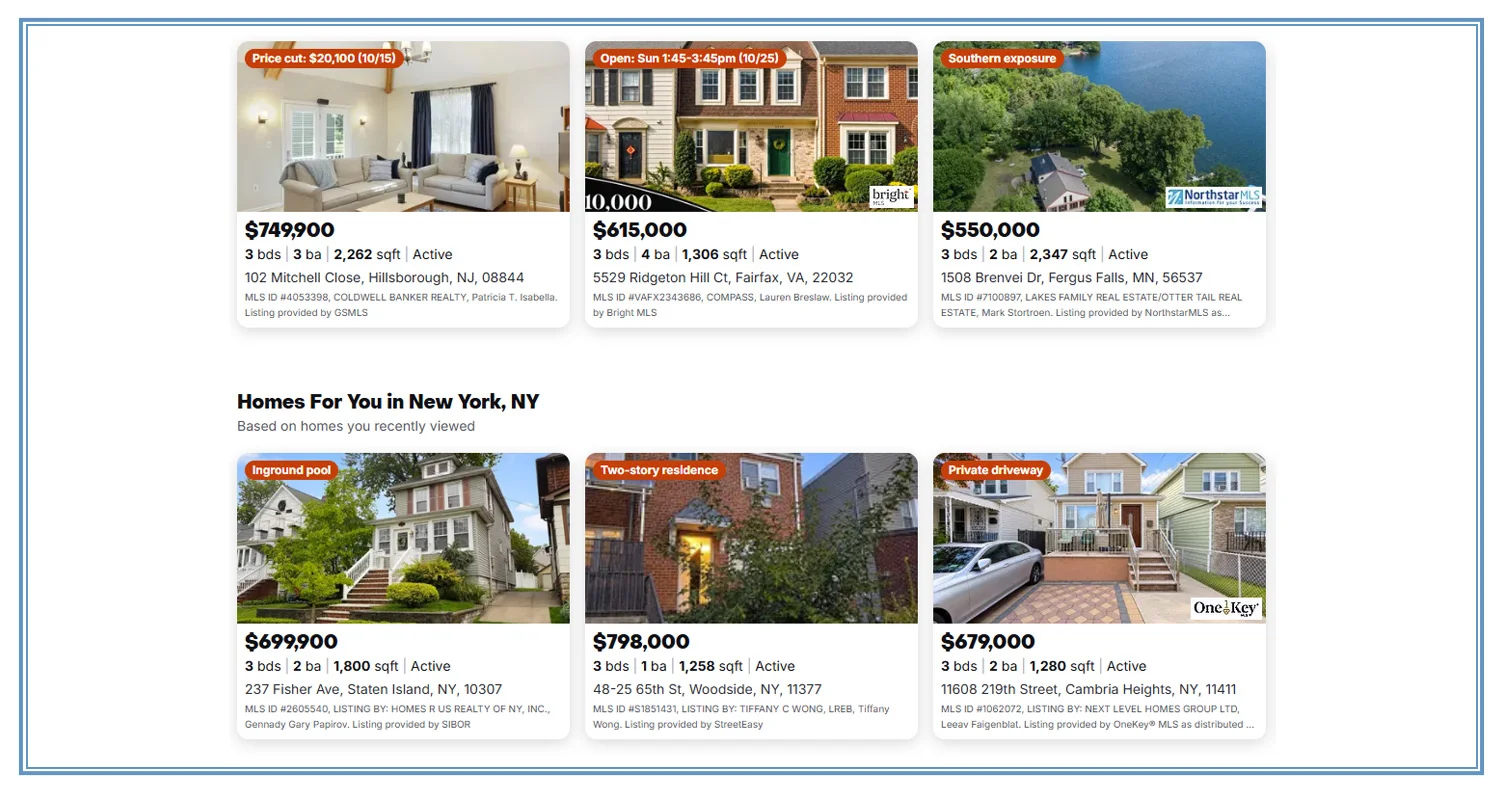
Evaluating regional builder portfolios across official portals requires meticulous attention to developer credentials, financial disclosures, and project delivery histories. Manual tracking across thousands of developer listings frequently leads to costly human oversights, administrative delays, and incomplete market coverage. To gain a clear operational edge, analysts often rely on tools that Scrape RERA Data for Property Intelligence to construct unified databases that contain real-time disclosures and developer timelines.
Modern analytical frameworks require continuous monitoring of multi-phase residential and commercial developments to establish reliable benchmark parameters across regions. By leveraging RERA Data Scraping for Real Estate Competitor Analysis, property research teams can seamlessly monitor neighboring pricing trends and unexpected shifts in available housing inventory. These detailed records allow organizations to evaluate market saturation and adjust localized launch strategies effectively.
- Aggregation of verified developer track records and operational compliance metrics
- Automated detection of localized pricing adjustments across multi-phase projects
- Rapid benchmarking of regional construction velocity against planned completion schedules
- Complete coverage of regulatory filings, legal disclosures, and escrow account balances
| Operational Feature | Traditional Manual Auditing | Automated Data Extraction |
|---|---|---|
| Data Collection Speed | 3 to 5 business days | Real-time automated updates |
| Data Processing Accuracy | Prone to human recording errors | Exceptionally high accuracy rate |
| Regulatory Coverage | Limited sample-based verification | Comprehensive portal coverage |
| Price Adjustment Tracking | Delayed weekly or monthly audits | Immediate automated alerts |
Having instant access to organized public records simplifies regulatory compliance monitoring, escrow checks, and risk verification procedures for active developments. Investment analysts can cross-reference physical construction timelines against legal commitments to identify potential delays before committing institutional capital. The resulting dataset provides clear visibility into competitor capabilities, pricing adjustments, and regional performance metrics.
Enhancing Market Trend Predictions Through Advanced Dynamic Monitoring

Understanding localized supply and demand variations requires continuous monitoring of registered building permits, layout modifications, and regional sales velocity metrics. Relying on static quarterly publications exposes real estate companies to sudden market corrections and missed growth opportunities. Adopting Real-Time RERA Project Monitoring Using Data Extraction delivers an interactive view of active construction phases, helping property professionals identify emerging micro-markets early.
Custom data collection pipelines gather structural updates, unit configurations, and builder filings across primary geographic zones without operational friction. Integrating a robust RERA Data Scraper for Real Estate Market Trends allows research groups to analyze shifting unit dimensions, pricing trends, and regional absorption rates dynamically. These structured data feeds turn disconnected regulatory filings into actionable intelligence dashboards.
- Continuous monitoring of new permit registrations and layout approval filings
- Automated identification of shifting apartment sizes and floor plan layouts
- Dynamic tracking of localized supply absorption rates across urban districts
- In-depth visualization of historical pricing trends and promotional discounts
| Trend Monitoring Metric | Periodic Report Analysis | Continuous Extraction System |
|---|---|---|
| Inventory Refresh Speed | Quarterly or annual updates | Live daily data synchronizations |
| Supply Shift Detection | Lagging market indicator | Early warning predictive signal |
| Layout Trend Analysis | Basic aggregated averages | Granular unit-level breakdown |
| Micro-Market Precision | Broader city-wide metrics | Highly targeted district view |
Proactive market trend monitoring ensures that land acquisition and project development strategies reflect actual consumer demand and supply constraints. Companies can evaluate regional inventory concentration to avoid oversaturated locations while pinpointing high-yield urban corridors. Continuous monitoring provides executives with the exact quantitative metrics needed to guide long-term real estate investments.
Streamlining Project Risk Assessment for Accurate Institutional Investments
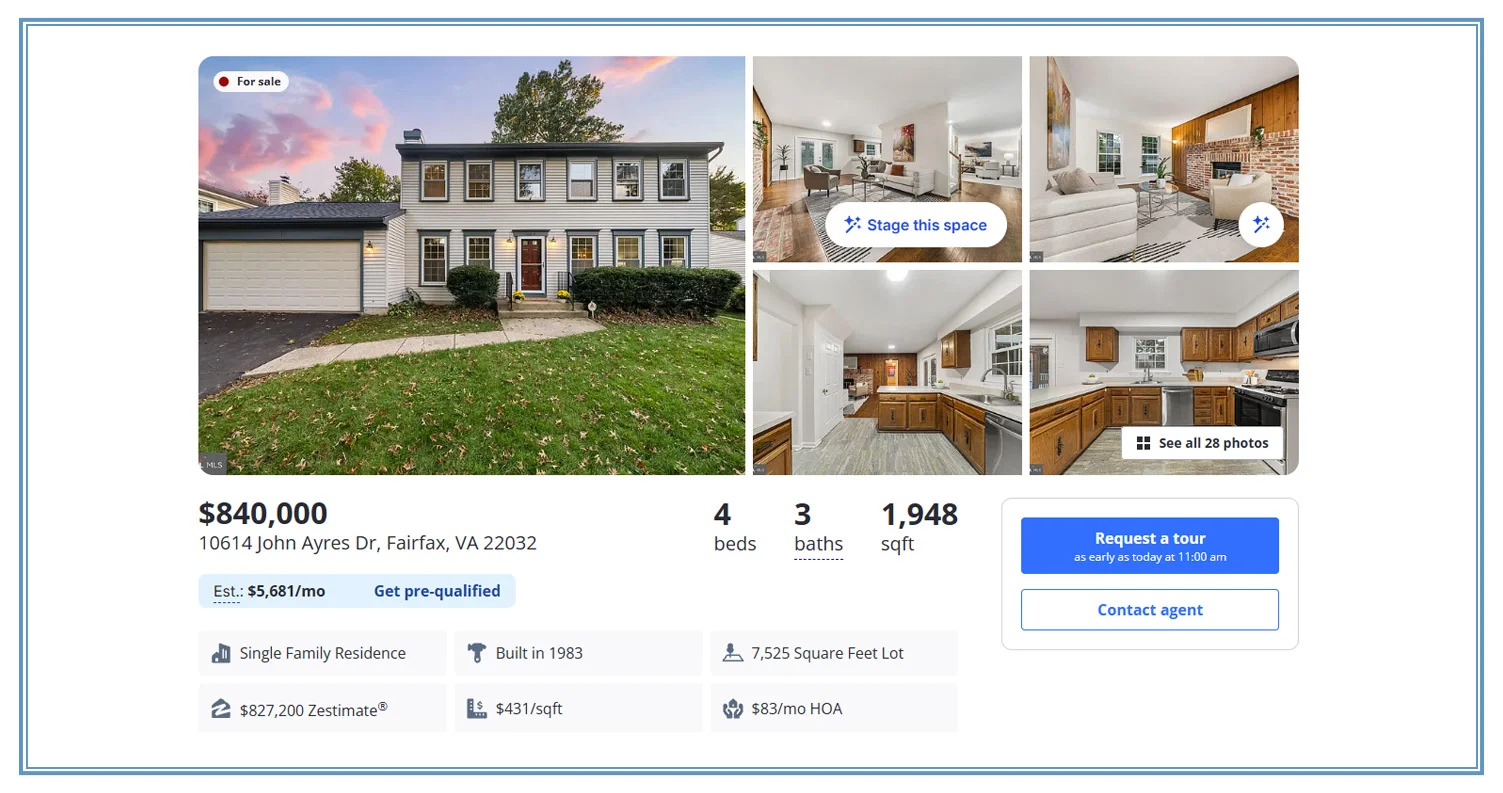
Capital allocation decisions across the property sector depend on thorough risk profiling, financial transparency, and clear legal title verification. Public regulatory registries contain essential indicators—including land ownership records, escrow disclosures, and completion schedules—that outline a builder's financial health. Incorporating RERA Data Extraction for Real Estate Investment Analysis directly into underwriting platforms empowers fund managers to analyze builder reliability with high technical precision.
Historical baseline evaluations help risk teams flag potential construction stalls or financial distress long before physical building activity stops on site. Utilizing systematic RERA Data Collection for Real Estate Market Trends allows asset managers to cross-check builder delivery records against ongoing capital obligations. This multi-layered screening framework drastically reduces investment risks associated with delayed handovers or litigation.
- Systematic auditing of escrow account utilization and cash flow disclosures
- Comprehensive cross-referencing of legal disputes and pending land litigation
- Quantitative evaluation of historical builder delays versus pledged handovers
- Automated risk scoring for ongoing institutional real estate capital deployment
| Risk Assessment Criteria | Standard Due Diligence | Structured Extraction Approach |
|---|---|---|
| Escrow Account Monitoring | Manual sampling of disclosures | Continuous automated verification |
| Legal Dispute Verification | Incomplete manual searches | Unified court and filing matching |
| Delivery Risk Modeling | Subjective qualitative estimates | Predictive timeline model analytics |
| Investment Portfolio Screening | Time-intensive manual audits | Automated real-time risk scoring |
Integrating structured compliance feeds into portfolio management tools ensures continuous monitoring throughout the entire investment lifecycle. Financial institutions can systematically audit escrow withdrawals, statutory approvals, and legal notices to protect investor capital. The resulting analytical clarity simplifies due diligence and maximizes returns across diversified real estate portfolios.
How Mobile App Scraping Can Help You?
Modern real estate applications provide instant access to localized listings, broker networks, and user activity, making them vital sources for business intelligence. Utilizing RERA Data Extraction for Real Estate Project Intelligence ensures that mobile-sourced data matches regulatory filings for maximum reliability.
We deliver a distinct competitive edge by gathering key user engagement signals, price adjustments, and localized geographic metrics. Key operational benefits include:
- Continuous monitoring of direct broker discounts and consumer pricing variations
- Real-time capturing of newly posted properties across secondary markets
- Precise tracking of geographic demand spikes down to specific micro-markets
- Instant alerts on updated unit availability and inventory changes
- Mapping of user engagement trends with specific property features and layouts
- Extraction of unstructured media, agent details, and user feedback
Integrating mobile insights with official portal data provides a comprehensive view of real estate dynamics. Partnering with tools configured for Real-Time RERA Data Extraction for Real Estate Analytics ensures your teams build a fully integrated pipeline for continuous market intelligence.
Conclusion
Navigating complex real estate markets demands swift, reliable intelligence to reduce operational risks and capture profitable opportunities. Integrating RERA Data Extraction for Real Estate Project Intelligence into your daily workflow empowers research, investment, and development teams to make faster, highly informed decisions based on verified regulatory data.
Automating public disclosure gathering removes guesswork, optimizes capital placement, and keeps your organization ahead of market shifts. Elevate your analytics capabilities with continuous RERA Data Scraping for Real Estate Competitor Analysis by contacting Mobile App Scraping today to build your custom extraction solution.